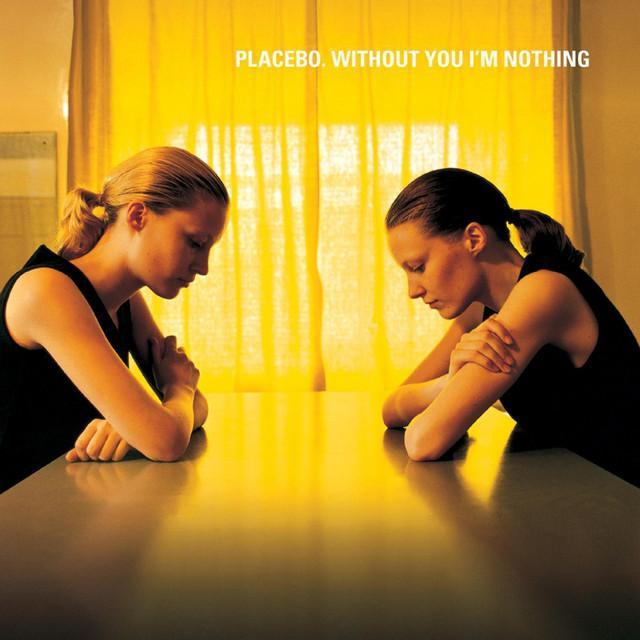
Without You I'm Nothing by Placebo
Placebo’s title track sounds simple on the surface, but the meaning of Without You I'm Nothing Placebo is deeper than a straightforward love song. It turns emotional dependence into something fragile, uneasy, and almost frightening. Rather than celebrating romance, they frame attachment as a loss of balance, voice, and self.
"Without You I'm Nothing" - Placebo
I'll take it by your side
Such imagination seems to help the feeling slide
Loading lyrics...
Unable to load lyrics
We're unable to display the lyrics at this time. Please try again later.
Released on the band’s second album, Without You I’m Nothing in 1998, the song sits at the center of a record known for vulnerability, dislocation, and damaged intimacy. Written by Brian Molko, Stefan Olsdal, and Steve Hewitt, it fits Placebo’s late-1990s mix of alternative rock, glam attitude, and emotional exposure.
A Love Song That Sounds Like a Warning
At its core, the song is about a person who feels emotionally incomplete without someone else. The title line, Without you, I’m nothing
, is not presented as healthy devotion. It feels raw and destabilizing, as if the speaker has handed over too much of their identity.
That is why the chorus lands so hard. Instead of saying love gives life meaning, the song suggests the relationship has become the speaker’s entire structure. Once that structure weakens, they begin to collapse.
Interpretation: They are describing dependency, not just affection. The feeling may be romantic, but it also carries fear, shame, and emotional erasure.

Watch the official Without You I'm Nothing
music video
The Verses Paint a Mind in Drift
The opening images feel hazy and slippery. Phrases like strange infatuation
and evening tide
create a mood of surrender, as if the speaker is floating into a feeling they cannot fully control. The repeated line I’ll take it by your side
adds to that passivity. They are not steering the moment; they are agreeing to be carried by it.
Then the language gets more suspicious. References to false connections, lies, and excess suggest that this bond may be built on illusion as much as truth. The speaker seems aware that desire can distort judgment, yet they still choose closeness over clarity.
This tension is key to the song’s meaning. They know the attachment may be unhealthy, but they cannot step away from it.
The Clock Motif Turns Need Into Panic
One of the smartest touches in the lyric is the repeated ticking sound. It works like a clock in the background of the relationship, marking time and adding pressure. It also breaks the dreamy flow of the verses.
Interpretation: The ticking may suggest several things at once:
- time running out
- anxiety building
- emotional obsession looping in the mind
- the sense that separation is coming
Because the song never explains the ticking directly, it remains unsettling. That ambiguity helps the track feel more intimate and more anxious.
Shame, Speechlessness, and a Shrinking Self
The second half becomes more direct and more painful. When the speaker says I’m unclean, a libertine
, they define themselves with guilt and excess. That self-description matters because it shows they already feel flawed before the relationship even begins to slip.
Another striking moment is lose the power of speech
. In plain terms, this person cannot speak up when the other person lashes out. They freeze. Their identity is so tied to the relationship that conflict leaves them voiceless.
Then comes one of the song’s saddest ideas: the other person helps shape them, yet never truly sees them. The image of being grown like something alive is tender, but it is also controlling. They are nurtured and diminished at the same time.
Take the plan, spin it sideways
I fall
Without you, I’m nothing
This brief turn captures the collapse. Any plan for stability gets twisted, and the speaker drops with it.
How the Sound Carries the Hurt
Musically, the song matches that emotional fragility. The album was produced mainly by Steve Osborne, with Placebo making a more mellow and spacious record than their debut, according to the album’s documented recording history. That softer approach matters here.
Instead of attacking with heavy riffs, the track leans into atmosphere. The slow tempo, blurred edges, and restrained drums make the song feel suspended. Molko’s vocal delivery is especially important. His voice sounds intimate but strained, which keeps the song from becoming sentimental.
That balance is what makes Placebo effective here. The arrangement is beautiful, but the emotional message is bleak. They let the music cradle the confession without making it safe.
Why the Song Still Connects
Part of the reason this track endures is that it speaks to a common fear: what happens when love becomes the only mirror a person trusts? Many songs describe longing, but this one describes identity loss.
That emotional honesty helped define the album’s impact. The 1998 record reached No. 7 in the UK and eventually sold more than a million copies worldwide. Even with mixed reviews in some corners, listeners connected with its portrayal of insecurity, vulnerability, and unstable desire.
Interpretation: The title track stands out because it turns a dramatic statement into a psychological one. It is not simply saying, “I miss you.” It is saying, “I do not know who I am without you.”
A Final Reading of the Meaning
So, what is the meaning of Without You I'm Nothing Placebo? The song is about emotional dependence so intense that it strips away confidence, language, and selfhood. It mixes desire with dread, making intimacy feel both comforting and dangerous.
Placebo do not present that feeling as noble or ideal. They present it as human, messy, and painfully recognizable. That is why the song still hits: it understands that needing someone can feel very close to disappearing inside them.
Disclaimer: This interpretation is based on the lyrics, musical context, and known album history. Like many Placebo songs, it remains open to more than one reading.








