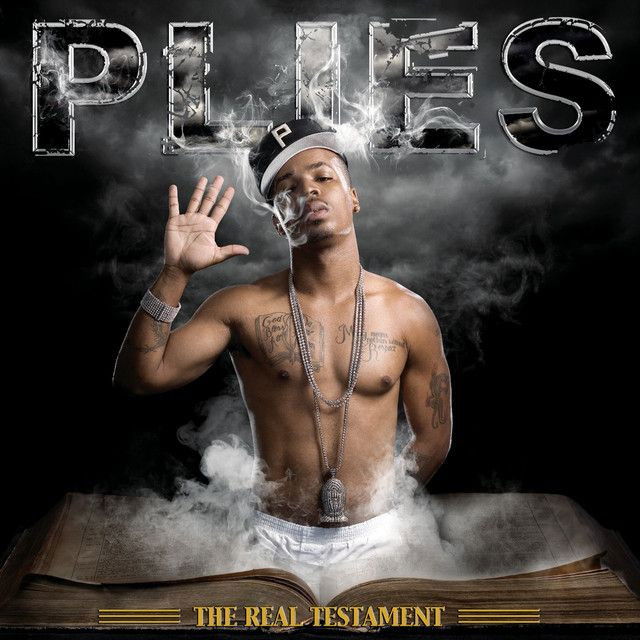
Murkin Season by Plies
A bleak warning, not a subtle song
The meaning of Murkin Season Plies starts with its title: this is a song about a place and mindset where violence feels constant, normal, and expected. Plies does not build a complex story with twists. Instead, they stack image after image to make one point clear: in this world, survival depends on fear, readiness, and reputation.
"Murkin Season" - Plies
To the home of the goons,where the grave yards over crowded
And where chopperz is a must
Loading lyrics...
Unable to load lyrics
We're unable to display the lyrics at this time. Please try again later.
The song presents murder as a season that never ends. That idea matters because a season is usually temporary, but here Plies says it is effectively permanent. The repeated phrase murkin' season
turns violence into climate. It is not one incident. It is the air people breathe.
Watch the official Murkin Season
music video
The voice in the song: authority through intimidation
Plies raps like a local guide giving rules to outsiders and warnings to rivals. Early on, they describe a region where graveyards are crowded and weapons are necessary. That opening frames the narrator as someone who knows the streets and expects listeners to accept their authority.
When they warn people not to get caught slippin'
, the idea is bigger than one threat. It suggests a code of total alertness. In this song, one mistake can be fatal. The voice is not reflective or apologetic. It is cold, blunt, and meant to scare.
Interpretation: The song works less like a confession and more like a performance of power. Plies is building a persona that sounds untouchable, because in gangsta rap, sounding vulnerable can be treated as weakness.
How the verses build the song's world
Rather than tell one continuous plot, the verses move through scenes and street rules. They mention bodies, court cases, firearms, and young people learning this behavior too early. One especially disturbing detail is the image of a child talking about violence as if it were normal. That suggests a cycle: the culture of killing is passed down.
The song also shows how language itself becomes dangerous. Boasting, threatening, or saying the wrong thing can bring consequences. When Plies talks about choosing words carefully, they present speech as part of survival. In this world, talk is never just talk.
no face, no case
these streets ain't safe
Those short phrases sum up the song's logic. Violence is both hidden and public. People know what happened, but proof is hard to find. At the same time, danger is open enough that everybody lives with it.
The hook turns violence into atmosphere
The chorus is the key to the meaning of Murkin Season Plies because it takes individual threats and turns them into a larger condition. When Plies says the season is year-round and never slows down, they remove any sense of relief. This is not a feud with an ending. It is ongoing disorder.
That is why the hook feels memorable. It is simple, repetitive, and easy to chant, but the content is grim. The repetition makes the message feel inescapable, almost like a slogan for fear.
Interpretation: The hook may also be heard as social exaggeration for effect. Plies pushes the imagery so hard that the song becomes a hyper-stylized portrait of street danger, not a documentary record of one exact neighborhood.
Images that carry the theme
Several motifs repeat across the song:
- graveyards and hearses
- guns and drums
- bodies in public spaces
- court dates and police response
- young people absorbing violent values
Each one points to the same theme: death has become ordinary. Even domestic life is touched by it. An older woman hears gunfire and simply adjusts, which suggests numbness. That may be one of the song's darkest ideas. Fear is terrible, but routine fear is worse.
The line about dead niggaz on t-shirts
is especially telling. Paraphrased, it describes memorial clothing for the dead, a familiar image in many communities touched by loss. In the song, remembrance itself becomes part of the landscape.
How the sound supports the message
Factually, Plies is a Florida rapper known for hard-edged Southern rap in the late 2000s, a period when street records often used heavy drums, ominous synths, and repetitive hooks to create pressure. Their official artist pages and chart histories document that era of their career and breakout success (RIAA, Billboard).
On a track like this, the production style matters because it leaves space for threat. The beat is likely sparse, dark, and percussion-heavy, with a march-like pulse rather than a warm melody. That kind of instrumental makes every threat sound more final. There is little softness in the mix, so the listener stays tense.
Plies' vocal delivery also shapes meaning. They tend to rap with a rough, forceful tone, punching key words instead of gliding through them. That delivery makes the song feel like a warning shouted across a block, not a diary entry.
Artist context matters here
Plies built much of their early image on street credibility, confrontation, and Southern regional identity. That context helps explain why this song is so direct. It fits a rap tradition where brutality is used to establish authenticity, command attention, and portray the cost of life in heavily policed, violent environments.
That does not mean every line should be read as literal autobiography. In rap, persona, local detail, and exaggeration often blend together. Interpretation: "Murkin Season" can be heard both as shock-heavy street theater and as a grim reflection of communities where violence feels normal because it happens too often.
The clearest takeaway
The meaning of Murkin Season Plies is not hidden: the song portrays a world where danger never takes a day off. Its central claim is that violence has become seasonal only in name; in practice, it is permanent.
What gives the song its force is the way Plies connects threats, neighborhood imagery, and hard production into one oppressive mood. They are not asking the listener to admire beauty or complexity. They are asking them to feel pressure.
Disclaimer: This interpretation is based on the song's lyrics, performance style, and artist context. As with all art, listeners may hear different meanings in it.







