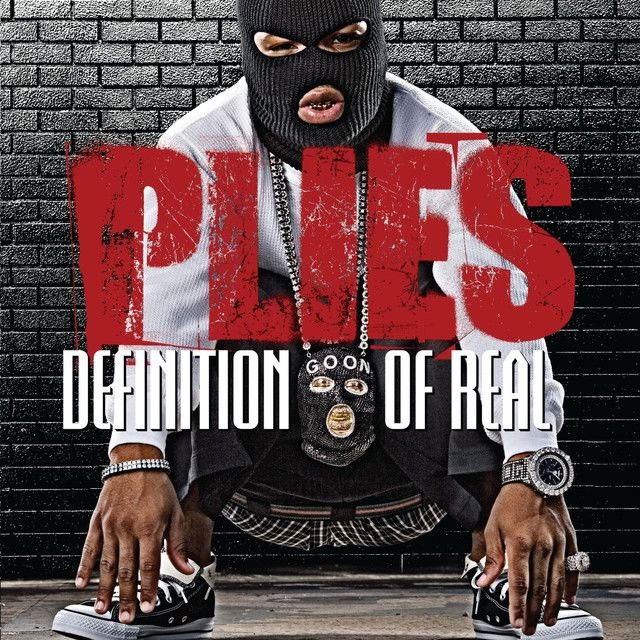
Why Plies Turns Swagger Into Proof
The meaning of Who Hotter Than Me Plies starts with a simple idea: they are not asking for praise so much as daring anyone to deny their rise. The song is built like a public challenge. Its hook keeps repeating the same question until it stops sounding like a question at all and starts sounding like a verdict.
"Who Hotter Than Me" - Plies
Who hotter than me,
Who hotter than me nigga,
Loading lyrics...
Unable to load lyrics
We're unable to display the lyrics at this time. Please try again later.
Plies emerged in Southern rap in the late 2000s, a period when mixtape energy, regional pride, and street credibility mattered as much as chart success. According to AllMusic, they became known for aggressive delivery and street-centered narratives. That context matters here, because this song is less a story than a reputation statement.
The Core Meaning Hides in Plain Sight
At the center, the track is about status. Plies presents themself as the hottest name in the room, in the streets, and in rap. When they repeat who hotter than me
, they are doing two things at once: bragging, and testing whether the audience agrees.
That matters because the song frames success as something earned under pressure. They tell haters that their attacks failed and even helped make them bigger. In plain terms, the message is that resistance did not weaken them; it sharpened their image.
Interpretation: the song is not only about fame. It is about survival through doubt. The repeated self-crowning feels like armor. If they keep saying they are untouchable, they can drown out rivals, critics, and fear.
Watch the official Who Hotter Than Me
music video
Brag Rap With a Street Scorecard
Plies fills the verses with receipts. They mention money, demand, women, loyal associates, and city-wide visibility. Lines about being booked, moving through town, and commanding high prices all build the same case: heat can be measured by who wants them, who pays them, and who talks about them.
A short phrase like hottest thing on Earth
shows how oversized the self-image is. This is not modest confidence. It is meant to sound absolute. In rap, that kind of inflation is part of the form. The point is not literal truth but persuasive dominance.
There is also a strong street-business logic in the writing. The song links authenticity with economic power. If they can pull crowds, raise fees, and make promoters wait, then their value is real. They are arguing that popularity and credibility feed each other.
Why the Chorus Works Like a Chant
The hook is the engine of the song. It loops the challenge so often that it becomes communal, almost like something shouted back in a club or car.
Gotta question for the streets
who hotter than me
That tiny two-line moment captures the song’s method. First, they appeal to “the streets,” which in rap often means the public that can spot fake posturing. Then they answer the question by implication: nobody else qualifies.
Interpretation: the chorus matters because it moves judgment away from critics and toward the crowd Plies wants to impress. It says the real vote happens outside the industry, among listeners who care about presence, toughness, and consistency.
Heat, Fire, and the Language of Being Untouchable
One of the song’s biggest motifs is fire. Plies says they are on fire
and even jokes that somebody should put them out. That image does more than signal popularity. Fire suggests danger, momentum, and something hard to stop once it spreads.
Another key motif is public witness. They are always being seen: by haters, by fans, by promoters, by the streets. In this song, identity is not private. It is built in full view. Their confidence depends on constant recognition.
That is why insults toward rivals are so important here. When Plies calls out people whose hate failed, they turn opposition into proof of relevance. If people are mad, then they must be watching. In boast rap, enemies can function like unpaid publicity.
The Sound Makes the Meaning Hit Harder
Even without a complicated concept, the production helps sell the record. The beat supports repetition rather than nuance. It leaves room for a forceful vocal, making every boast feel blunt and easy to remember.
Plies’ delivery is crucial. They rap with a hard, clipped emphasis that makes each claim sound argued rather than merely stated. That vocal style gives the song its pressure. A smoother performance might have made the lyrics playful; this one makes them confrontational.
The structure also matters. Instead of building toward a twist, the track doubles down on the same central idea from start to finish. That can make the song feel one-note to some listeners, but it is also why the anthem quality works. Repetition becomes strategy.
Artist Context Shapes the Song’s Meaning
Plies built much of their appeal on sounding direct, local, and unfiltered. Billboard documents their run of rap hits during this era, when singles often worked as declarations of identity as much as traditional songs. In that setting, “Who Hotter Than Me” fits a familiar Southern rap tradition: turn confidence into spectacle, then let the audience decide if they believe it.
The listed writers are Algernod Washington and Tracey Sewell, matching Plies’ legal name and the song’s credits provided in the prompt. That writing matters because the lyrics feel designed for instant recall. The words are simple, but simplicity is part of the craft. It helps the hook travel.
A Useful Way to Read the Song Today
For modern listeners, the meaning of Who Hotter Than Me Plies may feel bigger than pure bragging. It shows how rap performance can turn insecurity into command. The song never admits weakness, yet the need to repeat the claim suggests they are fighting to hold the crown in real time.
Interpretation: one reading is that this is a victory lap. Another is that it is a defensive ritual, a way to stay on top by saying it before someone else can challenge it. Both readings fit the lyrics.
Final Take on Plies’ Message
In the end, the song is about dominance, visibility, and self-made authority. Plies uses a simple question to build an entire persona: feared by rivals, wanted by fans, and validated by the streets.
That is why the track lasts as a swagger record. It does not ask listeners to study a deep plot. It asks them to feel certainty. And for three minutes, they make confidence sound like evidence.
Disclaimer: This article offers an interpretation of the song based on its lyrics, performance, and cultural context. Meanings can vary by listener.








