Why P!nk’s ‘Miss You Sometime’ Still Hurts
When people search for the meaning of (Hey Why) Miss You Sometime P!nk, they are usually hearing one big contradiction: a person knows a relationship was bad, yet they still miss it. That tension is the whole song.
"(Hey Why) Miss You Sometime" - P!nk
Ah, haha
Big time like, oh, I need your love
Loading lyrics...
Unable to load lyrics
We're unable to display the lyrics at this time. Please try again later.
On the surface, P!nk sings about trying to cut someone off after chaos, drama, and emotional damage. But the song’s hook keeps returning to one painful question: why does absence still ache when the relationship clearly went wrong? Rather than offering a neat answer, the track lives inside that confusion.
The song’s core idea: missing what hurt them
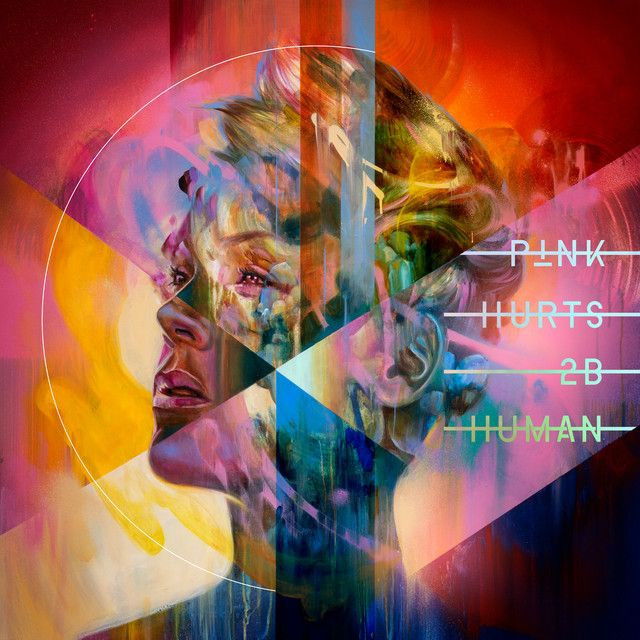
Factually, “(Hey Why) Miss You Sometime” appears on P!nk’s 2019 album Hurts 2B Human, where it is listed as track two. It was written by Alecia Moore, Max Martin, and Shellback, and produced by Max Martin and Shellback.
At its center, the song is about emotional whiplash after a breakup. The speaker is angry, clear-eyed, and exhausted. They know this person did real damage. That is why the blunt line fucked up my life
lands so hard. Still, the chorus circles back to miss you sometimes
, exposing a feeling they do not want to admit.
Interpretation: The song is less about true romantic longing than about the stubborn afterimage of intensity. They may not miss the person’s character. They may miss the rush, habit, chemistry, or the version of themselves that existed inside the relationship.

Watch the official (Hey Why) Miss You Sometime
music video
How the verses build a messy love story
The romance is described as huge, reckless, and unstable
P!nk fills the verses with exaggerated images of over-the-top love. Phrases like Jack Daniels type of love
and Titanic with your love
suggest something intoxicating and doomed at the same time. One image points to drinking and bad decisions; the other points to a grand disaster everybody can see coming.
That combination matters. The relationship is not framed as safe, mature, or lasting. It is chaotic and cinematic. It feels exciting because it is too much.
They know it is bad, but they are still attached
The pre-chorus says the situation is awful, yet the speaker keeps returning to it. The phrase I know it’s shit
is brutally direct. There is no fantasy left. They understand the damage.
Then the next emotional turn arrives: they want this person out of their thoughts and out of their life, but that wish does not erase attachment. The song captures a common breakup truth: logic can end a relationship before feeling catches up.
Why the chorus feels so human
The chorus is effective because it asks a question instead of making a statement. Rather than saying, “I still love you,” the song asks why the feeling remains. That makes the emotion sound involuntary, even embarrassing.
Hey, why do I miss you sometimes?
Thousand nights I’ve said goodbye,
almost lost my mind
This is the article’s clearest emotional clue. The speaker has tried again and again to leave. The repeated goodbyes suggest a cycle, not one clean breakup. They are trapped between memory and self-protection.
Interpretation: The song suggests that missing someone is not proof they were right for them. It may only prove the bond was intense, repeated, and hard to break.
Sound and production: shiny pop hiding open wounds
A big part of the meaning of (Hey Why) Miss You Sometime P!nk comes from how it sounds. The production is sleek, fast, and glossy, closer to dance-pop than acoustic confession. According to the album credits on Wikipedia, the song was produced by Martin and Shellback, two hitmakers known for turning emotional conflict into sharp, catchy pop.
That matters because the beat does not sit in sadness. It moves. The vocal treatment, often described by critics as heavily processed, creates a slight emotional distance. Instead of sounding raw in a singer-songwriter way, P!nk sounds trapped inside a polished rush.
This contrast helps the meaning. The production feels almost euphoric while the lyrics describe fallout. That mismatch mirrors toxic attachment itself: something can feel thrilling and destructive at once.
Where it fits in P!nk’s album and career
Hurts 2B Human was released on April 26, 2019, and debuted at No. 1 on the Billboard 200, according to album chart data. The record mixes big pop hooks with confessional writing, a balance that has defined much of P!nk’s best work.
On this album, they move between healing, fantasy, anger, and vulnerability. “(Hey Why) Miss You Sometime” lands early in the track list, right after the punchy opener “Hustle,” which gives it extra force. It deepens the album’s emotional world fast: beneath the attitude is somebody still sorting through emotional wreckage.
P!nk has long been effective at writing songs where strength and hurt exist together. This track fits that pattern. They do not play the victim, but they also do not pretend that walking away makes pain vanish.
Two strong ways to read the song
Reading one: a toxic ex they cannot fully shake
This is the most direct reading. The speaker left someone who brought chaos, but memory keeps pulling them back. Missing the person becomes one more form of damage.
Reading two: withdrawal from a shared high
The song also hints that what they miss is not the person alone, but the addictive feeling around them. References to being way above it
make the relationship sound like a rush. In that reading, the breakup feels like withdrawal from intensity.
Both interpretations can be true at once.
Final takeaway
The meaning of (Hey Why) Miss You Sometime P!nk is the pain of wanting freedom while still feeling the pull of a destructive bond. It is about the gap between what they know and what they feel.
That is why the song lasts. It does not romanticize heartbreak, but it does tell the truth about it: people can leave, mean it, and still miss the wrong person anyway.
Disclaimer: This interpretation combines lyrical analysis with confirmed release and credit information. Like all song meaning work, some conclusions are informed readings rather than stated artist intent.









