So What by P!nk
P!nk's "So What" sounds like a victory lap after a breakup, but its real power comes from how messy that victory feels. For many listeners, the meaning of So What P!nk is not just confidence. It is confidence used as armor.
"So What" - P!nk
Na-na-na-na-na-na-na, na-na-na-na-na-na
I guess I just lost my husband
Loading lyrics...
Unable to load lyrics
We're unable to display the lyrics at this time. Please try again later.
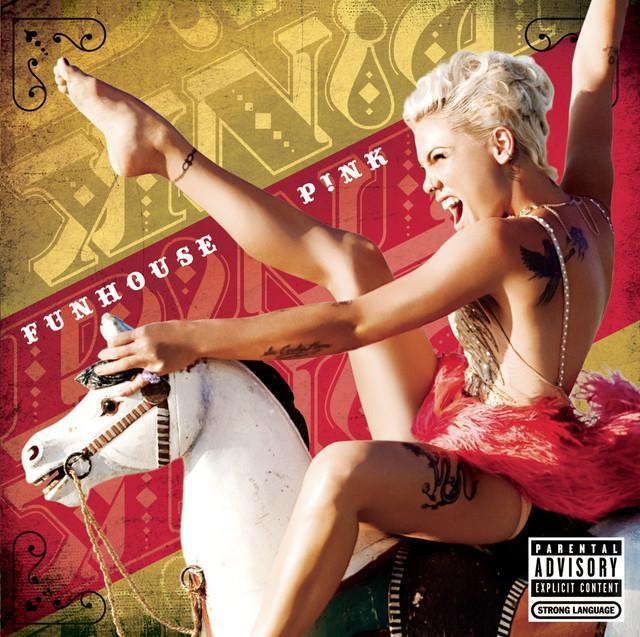
Released as the lead single from Funhouse in 2008, the song arrived during P!nk's separation from Carey Hart. It was written by P!nk, Max Martin, and Shellback, and produced by Max Martin, according to widely cited release data and credits in major reference coverage. It also became a huge commercial hit, reaching No. 1 on the Billboard Hot 100 and topping charts in several countries.
A Breakup Song That Refuses to Sound Sad
At its core, "So What" is about someone trying to reclaim power after feeling abandoned. The opening lines frame the split with sarcasm and wild humor instead of grief. Rather than sit quietly with heartbreak, the narrator decides to act out, spend freely, get loud, and be seen.
That is why the song feels bigger than a private argument. It turns personal pain into a public performance. When P!nk sings I wanna start a fight
, the point is not just violence or chaos. It signals a mood: they would rather provoke the world than admit how wounded they feel.
Interpretation: the song presents toughness as both real and theatrical. The speaker means it when they say they will be okay, but they are also trying to convince themselves.

Watch the official So What
music video
The Chorus Turns Hurt Into Identity
The chorus is the key to the song's meaning. Instead of begging for love back, the speaker builds a new self-image around survival. The phrase I'm still a rock star
is not only bragging. It is self-repair.
That matters because breakup songs often center loss. Here, the hook centers identity. They are not defined by the missing partner. They still have their style, energy, and public self. Even the taunting line And you're a tool
feels less like deep analysis than emotional shorthand. The speaker reduces the ex to something small so they can feel large again.
Interpretation: the chorus is a pep talk shouted loudly enough to drown out doubt. That is why it feels both funny and fierce.
Humor Is Part of the Defense
One reason "So What" lasted is its tone. P!nk does not deliver heartbreak with solemn poetry. They use jokes, celebrity name-drops, and rude punch lines. The track makes room for childishness on purpose.
P!nk later explained that the song began as a joke after hearing Max Martin's beat, saying the writing got "wronger and wronger" as they kept going. That comment helps explain why the lyrics are exaggerated. The song is not trying to be a careful legal statement about a breakup. It is trying to capture the reckless things people say when they are angry, embarrassed, and trying to laugh through it.
That is also why the line brand new attitude
matters. It shows reinvention, but in a deliberately exaggerated way. The new self is bold, stylish, and maybe a little unstable.
Where the Song Gets More Vulnerable
For all its swagger, "So What" is not emotionally flat. The bridge shifts the mood. Suddenly the joking falls away, and the message becomes direct: the ex was absent, unfair, and let the speaker fall.
You weren't there, you never were
You want it all but that's not fair
This is the song's clearest emotional crack. The chorus says they do not care. The bridge shows that they do. That contrast gives the song depth.
Interpretation: the bridge reveals the truth hidden behind the anthem. The real injury is not only the breakup itself. It is neglect. The speaker feels unsupported, unseen, and used.
The Production Makes Defiance Feel Huge
The sound is crucial to the meaning of So What P!nk. Critics at the time noted its charging beat, synth-heavy backing, and singalong chorus, and those choices matter. The song moves at a brisk 126 BPM and blends pop rock with dance-rock and electronic-rock elements.
That mix gives the track two jobs at once:
- The guitars add attitude and abrasion.
- The beat keeps it party-ready.
- The chant-like hook invites group singing.
In other words, the production refuses to let the song collapse inward. Even when the lyrics hint at pain, the music pushes outward. The result is a breakup song designed for movement, not mourning.
Max Martin's style helps here. He shapes the hook into something sharp, repetitive, and immediate. The song sounds almost like a dare. That is part of why some critics praised it as an empowerment anthem while others dismissed it as bratty. Both readings make sense because the song lives in that tension.
Artist Context Makes the Song More Interesting
The public knew the song was connected to P!nk's split from Carey Hart, but the surrounding context softens any overly literal reading. Hart appeared in the music video, and P!nk later suggested the whole project was fun and even helped their relationship. That matters because it frames the song as emotional expression, not a final verdict.
The video pushes the same idea. It uses comic destruction, stunts, and absurd behavior to make the anger feel playful rather than tragic. That visual style tells listeners not to hear every insult as documentary truth.
Why "So What" Still Connects
"So What" endures because it captures a feeling many breakup songs miss: the moment when sadness turns into performance. People do not always heal in graceful ways. Sometimes they brag, mock, dance, and act tougher than they feel.
That is the lasting meaning here. P!nk turns a breakup into a loud, funny, imperfect act of self-preservation. The song is not about being fully healed. It is about choosing motion over collapse and attitude over silence.
In that sense, "So What" is both an anthem and a mask. Its confidence is real, but so is the hurt underneath.
Disclaimer: This interpretation separates documented facts about the song's release and context from critical reading. Like most pop songs, its meaning can vary from listener to listener.








