Why 'Fallen Angel' by Poison Still Hits
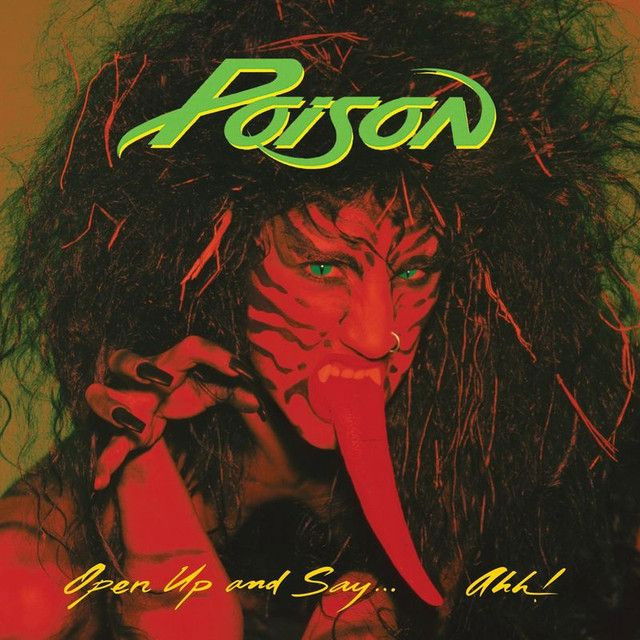
Poison built its name on big hooks, loud guitars, and Sunset Strip attitude. But the meaning of Fallen Angel Poison stands out because it puts a sad story inside that glossy 1980s sound. Released in 1988 as a single from Open Up and Say... Ahh!, the song became one of the band's biggest crossover hits, reaching No. 12 on the Billboard Hot 100, according to publicly available chart summaries and reference listings.
"Fallen Angel" - Poison
Just a small town girl with her whole life
Packed in a suitcase by her feet
Loading lyrics...
Unable to load lyrics
We're unable to display the lyrics at this time. Please try again later.
At its core, this is a song about a dream that turns costly. They tell the story of a young woman who leaves home, heads to the city, and finds that fame looks better on television than in real life.
A Small-Town Dream Meets a Hard City
The opening sets the plot quickly. A girl arrives with hope, luggage, and a plan. The details matter because they create a classic American image: the person who leaves a quiet life behind to become somebody bigger.
But the song immediately undercuts that fantasy. The city lights are not as magical as expected, and everyday survival is harder than the dream she carried. That contrast is the heart of the song. Poison is not mocking ambition; they are showing how ambition can collide with reality.
A short phrase like small town girl
is enough to frame her innocence. Then the image of mama's TV screen
suggests where the dream came from: media, distance, and fantasy. She did not only want success. She wanted the shining version of success she had been sold.

Watch the official Fallen Angel
music video
What the Chorus Says About Risk
The chorus is what makes the song feel tragic instead of simply cautionary. Poison describes her life as a gamble, using images of chance and collapse. Phrases like fallen angel
and rollin' the dice
turn her story into something bigger than one bad choice.
Interpretation: the chorus suggests that fame culture itself is unstable. It promises a big win, but it can also strip away identity, family ties, and self-respect. When they sing about winning and losing in the same breath, they show how success in that world may already contain failure.
That is why the title works so well. An angel suggests innocence, beauty, and possibility. A fallen angel suggests damage after the fall. The song is really about that drop from hope to disillusionment.
The Story Unfolds in Stages
The narrative moves in a clear line:
- She leaves home full of expectation.
- The city proves harsher than imagined.
- She enters the fast life and drifts from family and friends.
- She learns to hide pain behind performance.
- She ends up near emotional ruin.
One of the strongest lines in the song describes her as a good actress
. That matters because it blurs career and survival. She may be chasing acting, but she is also acting in daily life—pretending she is fine, pretending the tradeoffs are worth it, pretending she is still in control.
Too much too soon
Or just a little too late
This brief moment captures the song's emotional confusion. Did she fail because she moved too fast, or because real success never arrived when she needed it? Poison leaves that unresolved, which makes the song more human.
How the Sound Sells the Message
Musically, “Fallen Angel” is classic hair metal, but it is more focused than some of Poison's looser party songs. The bright guitar tone, pounding drums, and clean, chant-ready chorus create uplift even while the lyrics describe decline. That tension is a major reason the song works.
Produced by Tom Werman, a key rock producer of the era, the track has the polished, radio-ready drive that helped it break into the mainstream. The arrangement never turns dark or slow for long. Instead, it pushes forward, almost like the city itself, forcing the listener to feel the rush that traps the song's central character.
Bret Michaels' vocal also matters. He sounds sympathetic rather than cruel. They are not singing about her from a distance like a gossip item. They sound like they recognize the dream, maybe because Poison knew that same pull toward Los Angeles and fame.
Artist Context Makes the Song Stronger
Background reporting on the song has often noted that its theme connected to Poison's own journey from outside the major industry centers into the Los Angeles scene. That context gives the track more weight. They understood the attraction of escape and reinvention, even if the song tells that story through a female character.
The MTV video pushed this meaning further by showing a young woman entering Hollywood, getting pulled into image-driven success, and facing exploitation before the cycle begins again with another arrival. The repeated cycle suggests that this is not one person's problem. It is a system that keeps offering the same dream.
Why the Song Still Lands
Many 1980s glam songs are remembered for excess. “Fallen Angel” lasts because it mixes excess with regret. Beneath the flashy production is a simple warning: dreams can become traps when image replaces reality.
Interpretation: the song is not anti-success. It is anti-illusion. It asks what happens when a person wants everything and slowly loses the self who wanted it in the first place.
That is the lasting meaning of Fallen Angel Poison. It is a story about fame, yes, but even more about distance—distance from home, from truth, and from the earlier version of oneself.
Disclaimer: This interpretation is based on the lyrics, known song history, and common critical readings. As with any song, listeners may hear different meanings in it.









