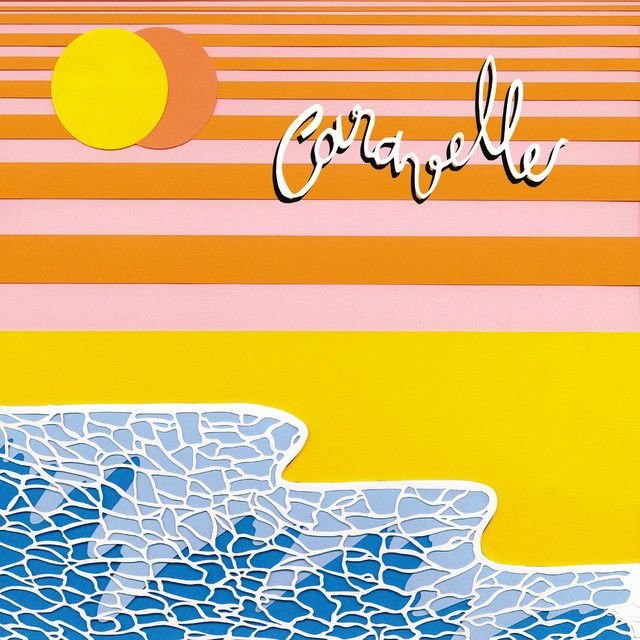
Canopée by Polo & Pan
The meaning of Canopée Polo & Pan starts with a fantasy: two people imagine leaving the modern world and building a life high above it, inside the trees. Rather than telling a realistic story, the song creates a dreamy paradise where nature feels protective, romance feels pure, and society fades away.
"Canopée" - Polo & Pan
Proche de l'équateur à un point précis
Latitude 500 longitude 36
Loading lyrics...
Unable to load lyrics
We're unable to display the lyrics at this time. Please try again later.
Polo & Pan, the Paris duo of Paul Armand-Delille and Alexandre Grynszpan, are known for mixing electronic music with tropical and global textures, according to widely cited background information on the group’s career and style. Their 2016 Canopée EP helped establish that identity, and the song later appeared in the orbit of their 2017 debut album Caravelle.
A Forest Fantasy, Not a Travelogue
At its core, the song imagines a shared retreat into the rainforest. The opening verses describe a near-mythic place, close to the equator, where beauty and calm seem untouched by ordinary life. The lovers are not just visiting nature; they want to belong to it.
That is why the repeated image of living dans la canopée
matters so much. In plain terms, they picture a life in the treetops, above danger and noise, where happiness feels simple and complete. The canopy becomes a symbol of protection, freedom, and emotional elevation.
Interpretation: The song is less about geography than longing. Amazonia works as a dream-space where the pair can start over.
Watch the official Canopée
music video
The Love Story Hides Inside the Landscape
Even though the setting is huge and lush, the real center of the song is the bond between the two people. The lyrics describe a world built for togetherness. Birds sing around them, trees seem to accept them, and the jungle itself becomes a kind of witness to their love.
One key phrase is ouvre tes bras
. The song asks the wild jungle to open its arms, which turns nature into a welcoming parent or shelter. Another important line is Il en faut peu pour toi et moi
. That idea suggests the pair does not need luxury, status, or technology. They only need each other and a place to breathe.
This makes the song feel like a romantic manifesto. Love becomes strongest when life is stripped to its essentials.
What the Chorus Really Says
The chorus gives the song its emotional mission. It is not just admiration for nature; it is a wish to merge with it. The phrase Prenons racine dans les bois
pushes that idea clearly. Instead of passing through the forest, they want to plant roots there.
That image carries two meanings at once:
- It suggests stability and commitment as a couple.
- It suggests rejecting the restless pace of modern life.
Then the lyrics add a twist with Enfants naïfs ou hors-la-loi
. That line matters because it breaks the fairy tale slightly. To live this freely, they may have to become innocent like children, or outsiders who no longer follow society’s rules.
Interpretation: The chorus is not only dreamy. It also hints that true freedom may look irresponsible, rebellious, or unrealistic from the outside.
Symbols Growing Through the Song
Several images repeat and deepen the song’s meaning.
The canopy as an ideal world
The canopy is both a literal treetop layer and a metaphor. It stands for a higher state of living, where love, nature, and imagination meet.
The jungle as refuge
When the song speaks to the jungle directly, it treats the forest as a living force. This turns the natural world into a place of healing rather than danger.
Birds and streams as guides
The lyrics mention songbirds and water, including ce drôle d'oiseau
. These details make the setting feel alive and musical. They also point upward, as if nature itself is inviting the pair toward a better version of life.
How the Sound Supports the Meaning
Part of the meaning of Canopée Polo & Pan comes from the production. Polo & Pan built their reputation on light, colorful electronic music shaped by house, synth-pop, and tropical influences. That matters here because the song does not sound heavy or tragic. It floats.
The arrangement gives the lyrics a sense of air and motion, matching the image of rising into the trees. Soft rhythms, bright textures, and an easy melodic flow make the fantasy believable for a few minutes. Instead of sounding like a survival tale, the song feels playful and enchanted.
Research on the duo’s early catalog also ties the 2016 Canopée EP to producers Raphaël Hamburger and Matthieu Gazier. That polished, transportive style helped make the track one of their early breakthrough songs.
Artist Context Makes the Dream Clearer
Polo & Pan formed in Paris after the two musicians met in 2012 while performing at Le Baron. Their music often blends cosmopolitan electronic production with images of travel, fantasy, and faraway landscapes. In that larger context, “Canopée” fits perfectly.
It is one of their clearest examples of musical escapism. The song does not argue for a political program or a literal move to the jungle. Instead, it gives listeners a temporary exit from crowded, artificial life.
That may explain why the song has lasted. Even if the fantasy is idealized, the emotional wish is easy to understand: many people want a place where love feels natural and life feels less complicated.
Why the Song Still Connects
The song endures because it speaks in simple images with big emotional reach. It offers beauty without much conflict, yet it includes just enough tension to stay interesting. The dream of living apart from the world sounds peaceful, but the line about being outsiders reminds listeners that every paradise has a cost.
In the end, “Canopée” is best heard as a romantic eco-fantasy: a song about intimacy, escape, and the hope that nature can restore something modern life has lost.
Disclaimer: This interpretation is based on the lyrics, the song’s sound, and publicly available artist context. Like any poetic work, “Canopée” can support more than one valid reading.







