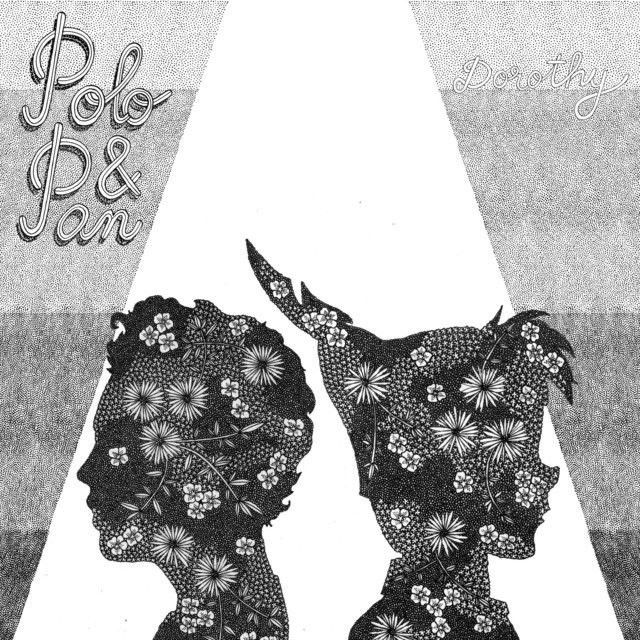
Dorothy by Polo & Pan: a dream escape
The meaning of Dorothy Polo & Pan starts with a simple idea: they turn The Wizard of Oz into a short, spinning daydream about escape, wonder, and losing one’s bearings in a new world. The song is not a detailed retelling of the film. Instead, it borrows famous symbols and uses them to describe a mind in motion.
"Dorothy" - Polo & Pan
Lion is afraid of me, Lion is afraid of me
Escape from reality, where I go you follow me
Loading lyrics...
Unable to load lyrics
We're unable to display the lyrics at this time. Please try again later.
Polo & Pan are the Paris electronic duo Paul Armand-Delille and Alexandre Grynszpan, active since 2013 and known for mixing house, synth-pop, and tropical colors into playful, travel-ready songs, as noted in their artist overview. “Dorothy” appeared in 2014 as part of their early Dorothy EP, which helped define their whimsical style before later breakout releases.
A pop fantasy built from Oz
On the surface, the song names characters from The Wizard of Oz: the Scarecrow, Tin Man, Dorothy, and the Lion. But the lyrics do not stay inside that story. They use Oz as a shared language for fear, curiosity, and movement.
When the song says Scarecrow, Tinman, Dorothy
, it quickly creates a world listeners already know. Then it twists that world by saying the Lion is afraid. In Oz, the Cowardly Lion already stands for fear, so this line doubles down on anxiety. The singer seems to enter a dream where even the symbol of fear is scared.
Interpretation: this makes Dorothy less like a person and more like a guide through emotional confusion. She is the figure who crosses from ordinary life into a strange place and keeps moving anyway.
Watch the official Dorothy
music video
The real subject: escape and disorientation
The central line is about leaving the everyday behind. The song mentions Escape from reality
, which frames the whole track as a trip away from normal rules. That trip can sound exciting, but it is not fully calm or safe.
The phrase where I go you follow me
adds a second layer. It could mean a companion is being led through the dream. It could also suggest that thoughts, memories, or fears keep following the speaker wherever they go. The repetition matters here. It makes the song feel hypnotic, as if one idea keeps circling back.
That circling feeling grows stronger with It looks like it's spinning around
. This is one of the clearest clues to the song’s mood. The world is unstable. The image could describe dancing, intoxication, emotional overload, or the shock of entering a “shiny new world.”
Tornadoes, roads, and a shiny new world
The Oz symbols become most meaningful in the middle of the song. A tornado appears, a house is swallowed, and the listener is pushed into a transformed landscape.
Tornado swallowing my house
I'm lost
Follow the yellow brick road
This short sequence acts like the song’s plot. First, the old self is uprooted. Next comes confusion. Then comes instruction: keep going.
In plain terms, the song describes what it feels like when life changes fast. Home disappears, identity shakes, and the only option is forward motion. The yellow brick road in this reading is not just an Oz reference. It is a coping mechanism. It is the path people follow when they do not fully understand the place they have entered.
The line about being in a shiny new world
is especially important. Newness sounds attractive, even glamorous, but the singer is still lost inside it. That mix of excitement and unease is the heart of the track.
How the sound deepens the meaning
Polo & Pan’s production is a big reason the song works. Their early music often blends breezy electronic beats with surreal textures, and “Dorothy” follows that pattern. The rhythm is light on its feet, but the repeated phrases create a trance effect.
That matters for interpretation. A song about escape could be dark and heavy. This one is bright, even playful. The production makes disorientation feel seductive. Listeners do not just hear confusion; they dance inside it.
The track’s looping structure also mirrors the lyrics. Repeated lines feel like steps on a road, but they also feel like someone stuck in a mental cycle. This balance between movement and suspension is classic Polo & Pan: travel music that sounds both free and slightly unreal.
Two strong ways to read “Dorothy”
There is no single official explanation attached to every lyric, so the best reading comes from the text and the duo’s style.
Interpretation 1: a fantasy of personal transformation
In this reading, Dorothy represents the self entering a new stage of life. The tornado is upheaval. The spinning world is emotional shock. The yellow brick road is the process of adapting.
This reading fits the song’s structure because it moves from familiar characters to instability to forward motion.
Interpretation 2: a club-night hallucination
The song can also be heard as a dance-floor trip. “Spinning around,” getting higher, flowers raining down, and losing touch with reality all suggest sensory overload. In this version, Oz becomes a metaphor for nightlife: dazzling, immersive, and slightly dangerous.
Both readings can exist at once. That is part of the charm.
Why the song still feels memorable
The meaning of Dorothy Polo & Pan lasts because the song is simple but suggestive. It uses a few famous images, repeats them like a spell, and lets listeners fill in the emotional blanks. They do not need a long narrative because the symbols do the work fast.
For U.S. listeners, the Oz references are especially effective because they are so culturally familiar. Polo & Pan take those images and filter them through French electronic pop, making something that feels old and new at the same time.
In the end, “Dorothy” is about crossing into a glittering unknown. It captures the thrill of being swept away and the fear of not knowing where the road ends.
Disclaimer: This article offers an informed interpretation based on the lyrics, the song’s imagery, and available artist context. Meaning can remain open, and different listeners may hear it differently.








