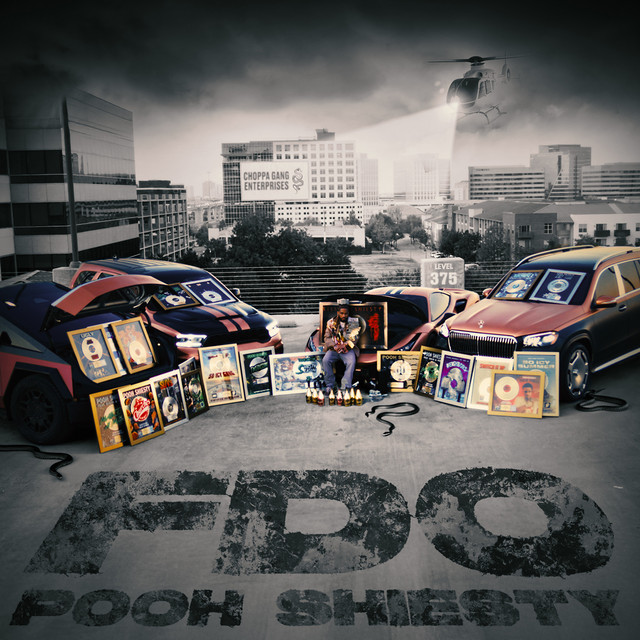
FDO by Pooh Shiesty
Pooh Shiesty’s “FDO” is a hard-edged first-day-out record, but the meaning of FDO Pooh Shiesty goes beyond celebration. The song turns release from federal prison into a statement of status, survival, and control. It sounds like a victory lap, yet it also carries paranoia, grief, and the pressure of returning to a world that kept moving without them.
"FDO" - Pooh Shiesty
Pussy-nigga, blrrrd, ayy
FDO, FTF, first day out, bitch, fuck the feds
Loading lyrics...
Unable to load lyrics
We're unable to display the lyrics at this time. Please try again later.
More Than a Release Anthem
At the most basic level, “FDO” means “first day out.” That phrase sets the whole frame. The song opens with the shock of freedom after confinement, then quickly moves into luxury, sex, money, and revenge-minded talk. In other words, they present release not as quiet relief, but as instant motion.
Still, this is not just a party record. Shiesty keeps tying success to prison time, street reputation, and the feeling that they were watched, tested, and doubted. When they say first day out
, it is less a date on a calendar than a reset of power.
The Real Core: Image, Power, and Pressure
The central message is simple: prison did not shrink them. It made the myth bigger. Throughout the song, they stress that money kept growing, influence stayed intact, and enemies still matter. Bragging is a huge part of the track, but it is bragging with a purpose.
Interpretation: The song uses excess as proof of endurance. Cars, jewelry, designer fits, and cash are not random details. They function like evidence that confinement failed to erase their identity.
That idea comes through in lines about getting richer while locked up and returning to a fleet of expensive cars. Even the bunk-bed image contrasts sharply with foreign cars and custom luxury brands. The gap between those two worlds is the point.
How the Story Moves
There is a loose timeline in “FDO,” and it helps explain the song’s meaning:
- They leave jail and immediately see wealth and attention waiting.
- They re-enter nightlife, women, and public visibility.
- They reflect on disloyal people and missing friends.
- They reassert street authority and personal influence.
- They end by presenting themselves as untouchable.
This structure matters because the song keeps bouncing between celebration and unfinished business. One moment is flashy. The next is bitter. They mention members who are gone, people who folded, and a wider conflict still active. That emotional swing gives “FDO” more weight than a standard flex track.
Loyalty Is the Song’s Hidden Nerve
One of the strongest themes is loyalty under pressure. Shiesty talks about people who waited and people who did not. They also mention absent crew members and the mental strain of being locked up while problems continued outside.
That is where the song gets more revealing. Beneath the flexes is a test: who stayed solid during the sentence, and who switched up? A short phrase like waited on me
carries more meaning than it first seems. It points to loyalty as emotional currency.
Grief Inside the Aggression
The track also contains flashes of grief. References to missing members and being trapped while a “war” kept going suggest helplessness beneath the anger. Even when the tone stays threatening, there is a sense that release does not fix what was lost.
Interpretation: This is why the record feels tense instead of joyful. Freedom arrives, but peace does not.
The Street Persona Gets Reaffirmed
A major part of the meaning of FDO Pooh Shiesty is self-definition. They insist prison did not change the core figure the audience already knew. The song keeps returning to identity: leader, shooter, provider, influence-maker, and survivor.
When they claim I rap when I got shit to say
, they present themselves as someone who moves on their own timing. That line also frames the song as a real-time update, not just content for streaming. The message is: they are speaking now because this moment matters.
Another key phrase is cannot be touched
. It works as both boast and shield. In rap, invincibility is often performance, but here it sounds like performance shaped by recent confinement. The artist is trying to project total control after a period defined by lost control.
Why the Luxury Details Matter
The long run of Ferraris, Maybachs, Rolls-Royces, watches, and custom editions is not filler. Those details build a world where taste equals rank. The repeated comparison between rare cars and ordinary ones lets Shiesty measure distance from the past and from rivals.
At the same time, the luxury imagery sharpens the song’s theme of transformation. They came from one setting and now move through another, but the street logic remains the same. Status symbols have changed; the mentality has not.
Sound: Why the Beat Feels Like a Return March
The production tag points to TP, and the beat supports the song’s blunt purpose. It is sparse, heavy, and built for force rather than melody. The low-end hits like a stomp, leaving space for Shiesty’s voice to sound commanding and conversational at once.
That matters because the delivery carries much of the meaning. They often rap in a clipped, direct style, as if reporting facts from the center of the storm. The beat does not soften the subject. It keeps everything hard, public, and confrontational.
For artist context, Shiesty rose out of Memphis drill and trap with a reputation for stark realism and intimidation, heard across breakout releases like Shiesty Season. Songwriting credits for Lontrell Williams and Tiquon Pryor are also listed by Genius.
Final Reading of “FDO”
In the end, “FDO” is about re-entry as domination. It celebrates release, but it also documents what prison leaves behind: suspicion, anger, missing people, and the need to prove nothing was lost. A phrase like fresh from out the feds
is not just scene-setting. It is the song’s whole engine.
The meaning of FDO Pooh Shiesty, then, is a mix of triumph and damage. They come home richer, louder, and more mythic, but also more guarded. That tension is what makes the track hit.
Disclaimer: This interpretation is based on the lyrics, performance, and available public context. Different listeners may reasonably hear the song in different ways.








