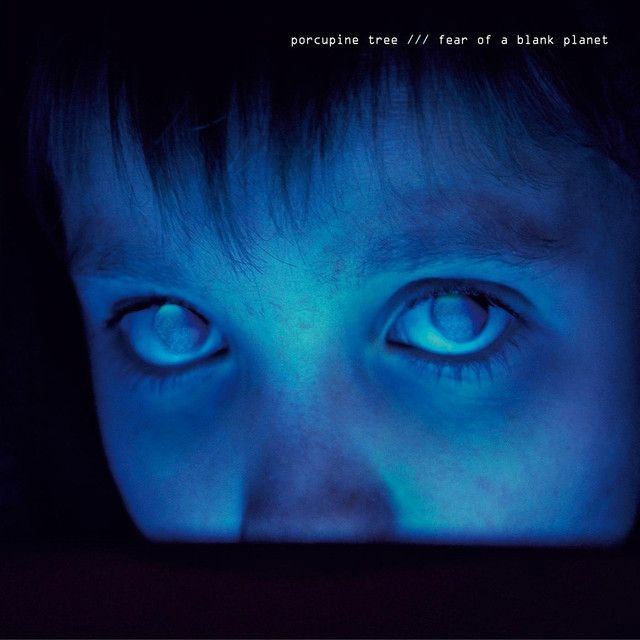
Fear of a Blank Planet by Porcupine Tree
A portrait of numbness in plain sight
The meaning of Fear of a Blank Planet Porcupine Tree centers on teenage alienation in a culture of screens, pills, shopping, sex, and noise. Released in 2007 as the opening track to the album of the same name, the song is widely described as a portrait of 21st-century youth anxiety and detachment, with references to attention and mood disorders noted in coverage of the song’s themes. Factually, it appeared on Fear of a Blank Planet in 2007 and was issued as a promotional single in edited and explicit forms.
"Fear of a Blank Planet" - Porcupine Tree
No gaps in the blind, to let it inside
The bed is unmade, some music still plays
Loading lyrics...
Unable to load lyrics
We're unable to display the lyrics at this time. Please try again later.
What makes the song hit so hard is that it does not describe one dramatic breakdown. Instead, it piles up ordinary habits and empty routines until they feel frightening. The narrator is awake, moving, consuming, and speaking, yet emotionally absent. That is the core idea: a life full of stimulation can still feel vacant.

Watch the official Fear of a Blank Planet
music video
The verses build a life without connection
Early lines place the narrator in a room where media never stops and real life barely enters. The image of TV, yeah, it's always on
matters because it suggests constant input with no reflection. They are not inspired by what they watch; they are buried under it.
From there, the song moves through mall culture, drug use, family resentment, and boredom. The phrase Xbox is a god to me
is not praise. It shows devotion redirected toward distraction. Likewise, the cruel line about the narrator’s mother and the admission that the father has stopped trying point to a home where communication has broken down.
Boredom becomes a crisis of identity
The most important shift comes when boredom stops being a small complaint and becomes a spiritual problem. The narrator is not just uninterested; they seem hollowed out. When the song says you'll never find a person inside
, it pushes the theme beyond teenage sarcasm. The self has become hard to reach.
That idea returns in the chorus, where medication and confusion blur the boundary between being alive and truly feeling present. Interpretation: the song is less about one diagnosis than about a generation losing contact with inner life.
Why the chorus feels so disturbing
The chorus asks a simple but devastating question: how can someone know they are really here? That is why the emotional center of the song is not anger but dislocation. The narrator does not trust their own experience.
How can I be sure I'm here?
The pills that I've been taking confuse me
This brief passage captures the song’s strongest fear. Medication, whether helpful, misused, or simply badly understood, becomes part of a larger blur. The issue is not just chemistry. It is the feeling that nobody truly sees what is happening.
The line I simply am not here
lands because it turns depression and numbness into near-erasure. The body is present, but the self seems missing.
A social critique hiding inside a character sketch
The song works as a first-person monologue, but it also reaches toward social criticism. References to pornography, shallow talk, school disengagement, and casual sex all point to a world where everything is available and almost nothing satisfies. Even pleasure has gone flat.
The repeated phrase can't deal with the boredom
is central here. Boredom in this song is not laziness. It is the result of overexposure, overmedication, and emotional undernourishment. The teenager has too much input and too little meaning.
Interpretation: Steven Wilson seems to frame the narrator as both one person and a type—a symbol of modern adolescence shaped by media saturation and emotional drift.
How the sound carries the message
Porcupine Tree’s arrangement deepens that reading. The band is commonly placed in progressive rock and progressive metal, and this track uses both sides of that identity. The performance is tight, heavy, and controlled rather than chaotic.
That matters. The drums feel mechanical at times, the guitars push with force, and the keyboards add an eerie sheen. Instead of sounding wildly emotional, the track often sounds contained, even clinical. That restraint mirrors the lyric’s blankness. The band does not flood the song with melodrama; they let repetition and pressure do the work.
The vocal delivery also helps. Steven Wilson sings many lines in a cool, almost detached tone, which makes the bleak details feel more believable. If he sounded too theatrical, the social realism would weaken.
Context that sharpens the meaning
The song arrived in 2007, before smartphones fully took over daily life, which makes its portrait feel oddly predictive. It already understood the cost of nonstop distraction. Coverage of the single also notes that its video was temporarily removed after the Virginia Tech shootings in April 2007, showing how the song’s images of youth disturbance landed in a tense cultural moment.
There is also a small but telling detail in later live performances: a line about a band sounding like Pearl Jam was changed to Japan in honor of Richard Barbieri. That update shows the song is still alive in performance, even as its themes remain painfully relevant.
Why the song still resonates
The meaning of Fear of a Blank Planet Porcupine Tree lasts because its target is bigger than one era’s trends. It is about what happens when a person is surrounded by entertainment, medication, and information but starved of purpose.
For many listeners, the song feels less like a rant against teenagers and more like a warning about emotional disappearance. Interpretation: its real fear is not rebellion, but vacancy.
Final takeaway
Porcupine Tree turn modern boredom into something existential. The song suggests that the scariest part of alienation is not sadness alone, but the sense that a person can fade out while still going through the motions.
Interpretation disclaimer: song meanings are not fixed. This reading is based on the lyrics, the recording, and documented context, but listeners may hear different layers in it.








