The Creator Has A Mastertape by Porcupine Tree
A dark song about control, collapse, and false creation
The meaning of The Creator Has A Mastertape Porcupine Tree centers on power gone wrong. The song paints a disturbing picture of a figure who collects, controls, and destroys. Rather than offering a clean story, it uses shocking images to suggest a mind shaped by obsession, cruelty, and spiritual emptiness.
"The Creator Has A Mastertape" - Porcupine Tree
And he put them in a shed
He raised a proper family
Loading lyrics...
Unable to load lyrics
We're unable to display the lyrics at this time. Please try again later.
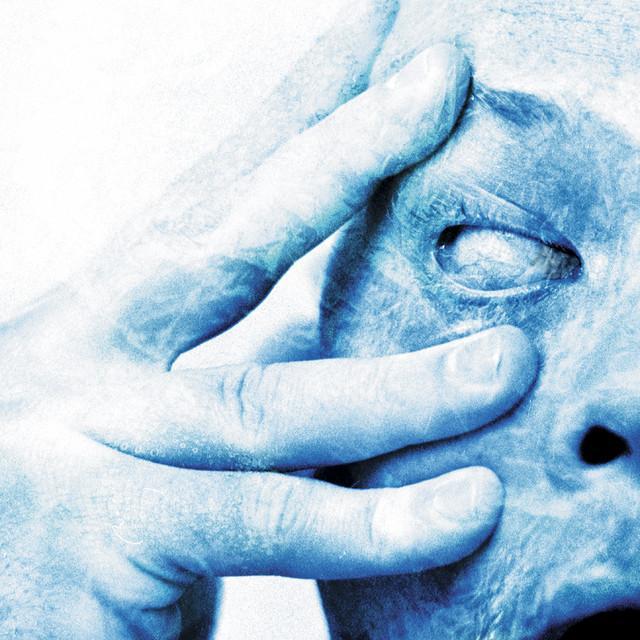
This track appears on In Absentia, the 2002 album that marked a heavier turn for the band, while still keeping Steven Wilson’s gift for eerie melody and psychological writing. On the album page, the record is presented as one of the key releases in Porcupine Tree’s catalog. That matters here, because this song fits the album’s wider interest in alienation, violence, and damaged inner lives.
Watch the official The Creator Has A Mastertape
music video
Why the title feels ironic
The title sounds grand at first. A “creator” should be powerful, in control, maybe even godlike. A “master tape” suggests the original source, the perfect version, the complete truth. But the chorus undercuts that idea with the absurd image of having that essential thing and then losing it: left it in a cab
.
That line is both funny and bleak. Interpretation: the song may be mocking modern authority figures—artists, parents, leaders, even gods—by showing them as careless, broken, or fraudulent. The one who should hold the blueprint for life cannot even keep track of it.
That is why the title matters so much to the meaning of The Creator Has A Mastertape Porcupine Tree. It turns creation into failure. It turns mastery into incompetence.
The verses sketch a monster, not a hero
The opening verse quickly builds a portrait of someone deeply wrong. They do not simply gather objects; they hoard living things and shape family life into domination. The song’s details suggest captivity and abuse, not nurture. Even when the language sounds plain, the actions are horrifying.
Later, the figure is shown working until self-destruction, then hearing a taunting voice ask, are you happy now?
That question sounds almost theatrical, but it lands hard. It suggests that the search for control has ended in blood, guilt, and ruin.
Pills and chloroform
All the pages torn
This brief repeated passage deepens the sense of physical harm and mental collapse. The images point toward sedation, erasure, and a destroyed record of truth. Interpretation: the torn pages may stand for memory, identity, or any attempt to make a neat story out of trauma.
A dream, a void, and the song’s strangest confession
One of the most important lines comes when the narrator says they stared into the void
and calls it the best dream
. That is a chilling contrast. The void is usually emptiness or terror, yet the song presents it as a strange kind of relief.
This may mean that emptiness feels better than life under control, violence, or false meaning. Interpretation: the “dream” could be escape—whether emotional numbness, death, fantasy, or simply silence. The song never fully explains it, and that ambiguity is part of its force.
The use of first-person in that moment also matters. Much of the song describes “he,” but suddenly “I” enters. That shift can make listeners wonder whether the narrator is a witness, a victim, or a reflection of the same damaged mind.
How the sound carries the message
Porcupine Tree do not rely on words alone. The arrangement makes the meaning feel physical. The guitars are sharp and heavy, the rhythm section is locked in, and the whole track moves with a tense mechanical drive. It sounds less like a confession and more like a system grinding forward.
That fits the band’s style on In Absentia, an album often noted for blending progressive rock detail with metal weight. In a Loudersound feature, Steven Wilson discussed the record’s darker, more direct approach. This song is a strong example of that balance: intricate, but brutal.
The repetition in the chorus and closing section also matters. Instead of release, repetition creates pressure. It traps the listener inside the same ugly thought. The groove feels controlled, but the images feel unstable. That tension mirrors the song’s central idea: a world that looks organized from the outside but is rotten underneath.
Two strong ways to read the song
Interpretation 1: A portrait of abusive authority
The simplest reading is that the song describes an abuser or predator. The family imagery, the drugs, the violence, and the blood all support that. In this reading, the “creator” is a person who believes they own others.
The lost “master tape” then becomes a symbol of failed self-justification. They thought they had the plan, the rules, the right to shape lives. In truth, they were chaotic and monstrous.
Interpretation 2: A satire of failed gods and failed artists
A second reading is broader. The song may be attacking the idea of perfect creation itself. The “creator” could be a stand-in for any figure who claims authority over truth—religious, cultural, or artistic.
In that reading, losing the original tape means losing the source code of meaning. Everything that follows is damage, imitation, and control without wisdom.
Final takeaway on the song’s meaning
The meaning of The Creator Has A Mastertape Porcupine Tree lies in its collision of dark humor and real horror. It shows a creator figure who should hold order together, yet leaves only cruelty, confusion, and ruin behind.
What makes the song powerful is that it never fully solves its own mystery. It gives listeners a broken authority figure, a witness staring into emptiness, and music that sounds both precise and sick at heart.
Disclaimer: This interpretation is based on the lyrics, the recording, and known album context. As with many Porcupine Tree songs, other readings are possible.








