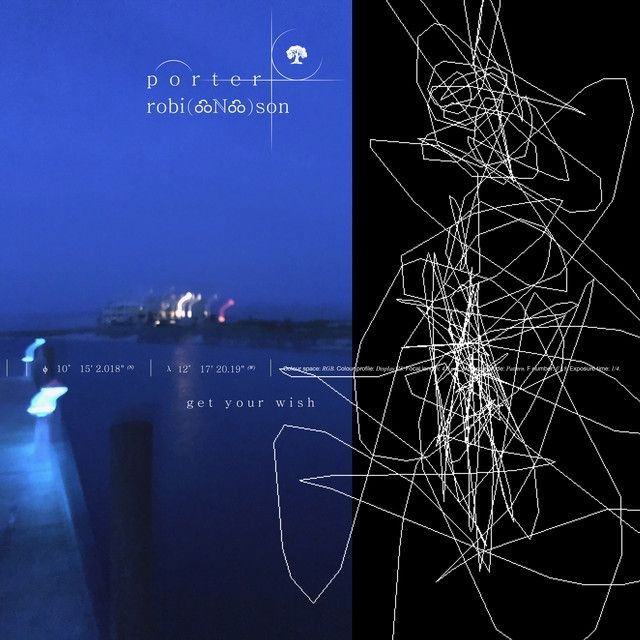
Why "Get Your Wish" Hurts and Heals
Porter Robinson's “Get Your Wish” sounds radiant, but its message is much more fragile. For anyone searching for the meaning of Get Your Wish Porter Robinson, the song is less a victory lap than a warning: getting what they wanted may not fix what hurts inside.
"Get Your Wish" - Porter Robinson
But it's no use, you said
As my hunger grows and grows
Loading lyrics...
Unable to load lyrics
We're unable to display the lyrics at this time. Please try again later.
Released on January 29, 2020, as the lead single from Nurture, the track marked Robinson's return after a long creative struggle. According to the song's release history and album rollout, Robinson wrote, produced, mixed, and performed it himself. It was also described as drawing from early-2000s anime and Japanese game soundtrack textures, which helps explain why it feels both nostalgic and emotionally huge.
The Heart of the Song Is a Fight With Ambition
At the center, the song questions the belief that achievement can save a person. The opening lines frame someone trying to repair their life through purpose and output. They feel pressure to explain their existence through work, as if meaning has to be earned.
That idea gets challenged almost immediately. The song warns that when glory tries to tempt you
, it can look like the answer. But the lyric turns that promise inside out by asking why someone still feels broken after getting close to what they wanted.
Interpretation: This makes the song a conversation with ambition itself. It does not reject success completely. Instead, it rejects the fantasy that success can act like emotional medicine.

Watch the official Get Your Wish
music video
A Chorus That Sounds Like a Triumph, Then Cuts Deep
The chorus is where the song becomes most powerful. On the surface, it lifts upward with bright synths and a soaring melody. But the words ask a hard question: Did you get your wish?
That line is not celebratory. It sounds skeptical, almost tenderly accusatory. The image of walked on water
suggests a miracle, a godlike public moment, or the feeling of being above ordinary limits. Then the next image undercuts it. Rising to the top happens quicker than you sank
, which hints that public success and private collapse can happen side by side.
The repeated Idol, idol
sharpens the point. The song may be addressing a famous figure, but it can also be speaking to the self that wants admiration. In both cases, the chorus asks whether worship—by others or by oneself—actually helps.
How the Verses Turn Pain Into Purpose
The second verse shifts from critique to encouragement. Instead of saying the person is doomed by obsession, it tells them not to give up yet. More importantly, it reframes art and work as something that can serve others.
That is one of the most hopeful ideas in the song. The work that once felt tied to ego can become a gift. Suffering is not romanticized, but it is given possible use. The song suggests pain can deepen empathy, and empathy can make better art.
This reading matches Robinson's own explanation. In a letter to fans quoted in coverage of the release, he said he realized he should not make music expecting productivity or achievement to fix his problems, but instead hope that honest expression could move people. That statement is essential context for the meaning of Get Your Wish Porter Robinson. It shows the song comes from breakthrough, not just despair.
The Sound Tells the Same Story as the Lyrics
One reason the song hits so hard is that the production argues with the lyrics in a beautiful way. The instrumental is bright, fast, and glittering. Its synth-pop style carries the emotional color of anime openings and game music: hopeful, youthful, and larger than life.
Yet Robinson's processed vocal adds vulnerability. Reports about the song noted that he pitched his voice higher and described that approach as a way to speak more directly about painful subjects. That choice matters. The voice sounds exposed and slightly unreal, which fits a song about identity, performance, and ego.
Interpretation: The production creates the feeling of reaching the sky while the lyrics question whether the sky was ever the right destination. That tension is the whole emotional engine of the track.
Water, Floating, and the Fear of Collapse
The song's recurring water imagery also deserves attention. Floating upward sounds freeing, but sinking remains close by. Water can represent emotion, unconscious fear, or loss of control. In the song, it becomes a space where public image and inner struggle meet.
That symbolism also connects to the music video, which shows Robinson on a water-covered platform and later underwater. The visuals echo the chorus's rise-and-fall logic. Even when the scene looks grand, there is always the sense that slipping under is possible.
Two Strong Ways to Read It
There are at least two convincing readings:
- Personal reading: The song is about Robinson's own burnout, depression, and recovery through honest creativity.
- Broader reading: The song speaks to anyone who chases status, praise, or a dream job and then discovers those things cannot provide a stable self.
Both fit the text. The direct questions, the warnings about glory, and the turn toward making art for someone else all support them.
Why the Song Still Connects
“Get Your Wish” lasts only 3:38, but it captures a modern fear many listeners know well: what if they finally get what they wanted and still feel empty? Robinson answers that fear carefully. He does not say desire is wrong. He says desire becomes dangerous when it replaces human connection and honest expression.
That is why the song feels sad and healing at once. It looks straight at disappointment, then offers a different kind of purpose.
Final Take
The meaning of Get Your Wish Porter Robinson lies in its refusal to treat success as salvation. It asks whether glory can satisfy a wounded person, then points toward art, honesty, and service as the better answer.
This interpretation is based on the lyrics, available artist comments, and release context. Like all song analysis, some meanings remain open to the listener.