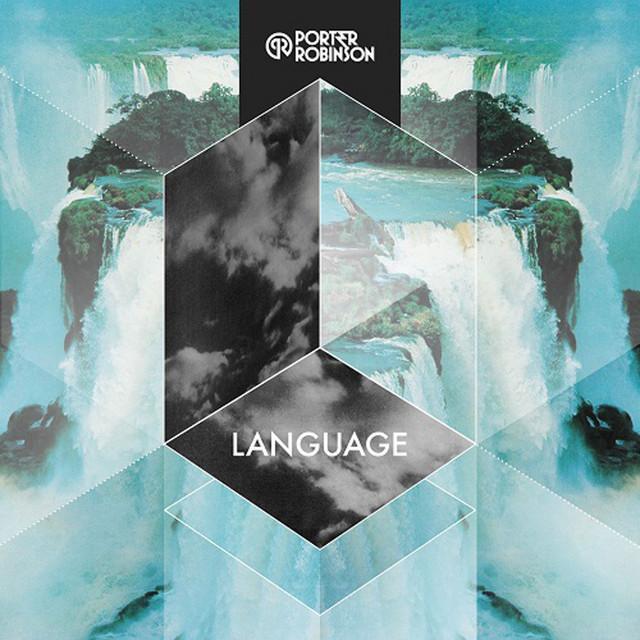
Language by Porter Robinson
Porter Robinson's Language is one of those dance songs that feels bigger than its lyric count. The words are sparse, but the emotion is not. For many listeners, the meaning of Language Porter Robinson comes down to release: the need to step out of pressure, breathe again, and trust that healing is possible.
"Language" - Porter Robinson
Let the waves of time and space surround me, yeah
'Cause I need room to breathe
Loading lyrics...
Unable to load lyrics
We're unable to display the lyrics at this time. Please try again later.
A Small Lyric, a Big Emotional World
Factually, Language was released in the United States on April 10, 2012, with Porter Robinson credited as artist and producer, and Heather Bright credited as co-writer; Bright also provided the song's uncredited vocals on the original release. It later became a major crossover success, reaching No. 9 on the UK Singles Chart and No. 7 on Billboard's US Dance/Mix Show Airplay chart. Those release and chart details are documented in the available reference data.
What makes the song last is not a complex story. It is the opposite. The lyric asks for space and surrender. Phrases like Give me release
and I need room to breathe
present a speaker who feels compressed by life and wants relief rather than control.
Interpretation: They are not trying to conquer the world in this song. They are asking to be carried through it.

Watch the official Language
music video
What the Song Is Really About
At its core, the song sounds like a plea for emotional oxygen. The image of being surrounded by the waves of time and space
turns stress into something cosmic and flowing. Instead of fighting those forces, the speaker wants to move with them.
That is an important emotional shift. The song does not describe release as victory. It describes release as permission: permission to drift, recover, and stop resisting every pressure at once.
The closing reassurance, I'll be okay
, matters because it is simple and fragile. It does not sound like a boast. It sounds like someone trying to believe their own calm.
Who Is Speaking, and to Whom?
The voice is clearly first person in the lyric, but the article's best reading is that the speaker addresses either a person, a memory, or a larger force. When they ask to float back
to where they were found, the wording suggests rescue, comfort, or a return to a more grounded self.
Interpretation: There are two strong readings here:
- They may be speaking to a loved one who once offered safety.
- They may be speaking to life itself, asking the world to stop closing in.
Because the lyric is so short, the song stays open. That openness is part of why listeners project their own struggles onto it.
The Images That Carry the Meaning
The song uses only a few major images, but each one does real work.
Breathing Room
When the speaker says they need space, it frames the emotional problem as suffocation. That makes the song relatable to anyone who has felt buried by anxiety, grief, burnout, or even the pace of modern life.
Waves, Time, and Space
These are huge images for a small lyric. They make the personal problem feel universal. The speaker's stress is not just one bad day; it feels like being swept up in existence itself.
Floating Back
This is one of the gentlest images in the song. It suggests healing through softness, not force. Rather than pushing ahead, the speaker wants to return to a place of safety.
Let the waves of time and space surround me
'Cause I need room to breathe
Even in this brief passage, the idea is clear: surrender is not collapse. It is a survival strategy.
Why the Sound Matters So Much
The production is essential to the meaning of Language Porter Robinson. Around this period, Robinson was known for a more aggressive electro and complextro sound. Language marked a shift toward melody, uplift, and a trance-like emotional sweep. Critics at the time noticed that change, and later commentary often treated the track as a turning point toward the more emotional world Robinson would explore on Worlds.
That shift helps explain why the song feels so moving despite having very few words. The synths do the emotional translating. The rising chords, bright lead lines, and steady kick drum create a feeling of ascent. Instead of sounding trapped, the song sounds like it is opening a window.
Interpretation: The drop is not just a dance payoff. It feels like the musical version of exhaling.
Heather Bright's vocal also matters. It is airy and urgent at once, which keeps the plea human inside a huge electronic arrangement. The voice never overwhelms the track, but it gives the song its emotional center.
Why "Language" Was a Career Turning Point
Historically, this song matters because it showed a new side of Porter Robinson. It followed his earlier heavier material and proved that listeners would follow him into something more melodic and vulnerable. That mattered artistically, and it mattered commercially too, given the song's strong chart performance in the UK and dance markets.
Just as important, Language now sounds like a bridge record. It still works as a festival anthem, but it also points toward the dreamlike, emotional storytelling that became central to Robinson's later work.
Final Take on the Song's Meaning
In the end, Language is about asking for release without shame. It turns a simple request for breathing room into something expansive, tender, and almost spiritual. The song suggests that sometimes healing begins not with action, but with surrender.
That is why the track still resonates. It gives listeners a feeling many know well but cannot always explain in plain speech.
Disclaimer: This interpretation is based on the song's lyrics, sound, and documented career context. As with most art, different listeners may hear different meanings.









