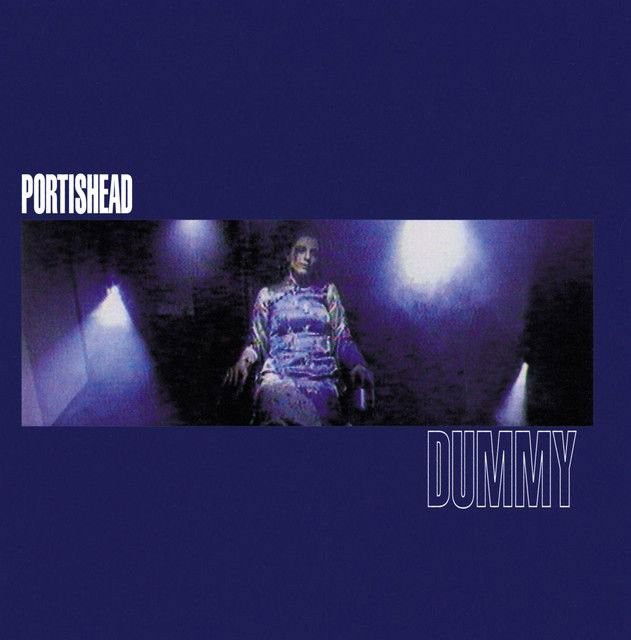
Mysterons by Portishead
Portishead open Dummy with a song that feels like a warning from another room. For listeners searching for the meaning of Mysterons Portishead, the clearest answer is this: it is a song about hidden wrongdoing, emotional denial, and the impossibility of escaping what has been buried.
"Mysterons" - Portishead
Crimes have been swept aside
Somewhere
Loading lyrics...
Unable to load lyrics
We're unable to display the lyrics at this time. Please try again later.
The track appeared on Dummy in 1994, the debut album that helped make Portishead central to the Bristol sound, even if the band never loved the “trip-hop” label. The group—Beth Gibbons, Geoff Barrow, and Adrian Utley—built their style from hip-hop production, noir atmosphere, and soundtrack influences, according to widely cited band histories and profiles such as Wikipedia’s overview of Portishead.
A Song About Buried Crimes and Failed Escape
At the lyrical level, “Mysterons” is striking because it says a lot with very little. The opening image of inside you're pretending
immediately points to concealment. Someone is acting calm on the surface while something darker sits underneath.
That idea grows with crimes have been swept aside
. The wording implies that harm has not been solved or healed. It has only been hidden. The song then suggests a false refuge, a place where people think they can forget, but the mood of the track never lets that forgetting feel real.
Interpretation: They seem to be describing moral evasion. The person in the song may be covering up guilt, pain, or damage they caused. Rather than confess or repair it, they push it out of view.
Watch the official Mysterons
music video
The Ocean Image Makes the Secret Feel Huge
One of the song’s strongest images is this ocean will not be grasped
. In plain terms, the song compares the hidden truth to something vast, deep, and impossible to hold in one hand.
That matters because it changes the scale of the conflict. This is not a small personal lie that can be tidied up. It feels overwhelming. The ocean image suggests that memory, guilt, or consequence is bigger than the person trying to control it.
Why the spiritual language matters
The brief phrase upper reaches
adds a spiritual or heavenly shade to the song. It hints at judgment from above, or at least a desire to rise above the mess below. But the song undercuts that hope. Nothing in the vocal or production suggests peace.
Interpretation: They may be contrasting lofty ideals with ugly reality. A person can reach for the “divine,” but that does not erase what has happened.
The Chorus Turns Into an Accusation
The repeated line did you really want
is the emotional center of the song. Because it is repeated again and again, it stops sounding like a simple question. It becomes a pressure point.
On one level, it asks whether the person truly wanted the result of their actions. On another, it exposes self-deception. People often chase power, escape, or desire without admitting the full cost. The chorus sounds like the moment when that excuse falls apart.
All for nothing
Did you really want
That brief passage ties futility to desire. The song suggests that whatever was pursued—control, pleasure, escape, or silence—ended in emptiness.
Refusal, Judgment, and Collapse
Later, the song sharpens its stance with refuse to surrender
. This person is not just guilty or afraid; they are stubborn. They resist truth, accountability, or emotional release.
Then the song speaks of being worn down and torn apart. Even without graphic detail, the point is clear: denial has a cost. What is hidden does not disappear. It strains the mind and spirit until something breaks.
The question who dares to condemn?
adds another layer. It may be defensive, as if the speaker or subject is pushing back against judgment. But it can also sound ironic. If the wrongdoing is real, outrage about being judged misses the point.
How the Sound Carries the Meaning
“Mysterons” works because the music says as much as the words. Portishead were known for blending sample-based beats with cinematic textures and live instrumentation, a style central to Dummy and its critical impact, as documented in major summaries of the band’s work such as Wikipedia’s page on Portishead.
Here, the beat creeps rather than drives. The bass feels thick and shadowy. Gibbons sings with distance and ache, but also with a quiet threat. She does not sound like she is simply confessing pain. She sounds like she sees through somebody.
That mood also connects to Portishead’s stated love of old soundtrack music and sci-fi television themes, including Captain Scarlet and the Mysterons, which has been cited as an influence on the band’s style in reference sources on their influences. That background helps explain the title: “Mysterons” evokes unseen forces, psychic menace, and danger that lingers just out of sight.
A Few Strong Readings of the Song
There is no single official explanation attached to every line, so the best reading stays open while following the text.
Reading one: a confrontation with guilt
This is the most direct interpretation. Someone has hidden moral wrongdoing, and the song calls them out. The repeated questions and images of concealment support that reading.
Reading two: a portrait of self-deception
The song can also be heard as inward rather than outward. In that version, the person is split from themselves, pretending, suppressing memory, and refusing surrender. The “crimes” may be emotional failures rather than literal acts.
Why the Song Still Feels So Powerful
Part of the meaning of Mysterons Portishead lies in its ambiguity. It never explains too much, so listeners feel the pressure of guilt and dread without a neat story. That makes the song haunting in a lasting way.
As the opening track on Dummy, it also introduces Portishead’s whole artistic world: beauty mixed with menace, intimacy mixed with suspicion, and emotion that never arrives cleanly. That tension is why the song still sounds modern.
Disclaimer: This interpretation is based on the released lyrics, the song’s sound, and publicly available context about Portishead. Like many songs, “Mysterons” can support more than one valid reading.







