Roads by Portishead
Why This Song Still Feels So Isolated
The meaning of Roads Portishead starts with a feeling many listeners recognize right away: deep emotional distance. On the surface, the song sounds simple. The words are spare, the pace is slow, and Beth Gibbons sings with a near-whisper. But that simplicity is exactly why it hits so hard.
"Roads" - Portishead
We've got a war to fight
Never found our way
Loading lyrics...
Unable to load lyrics
We're unable to display the lyrics at this time. Please try again later.
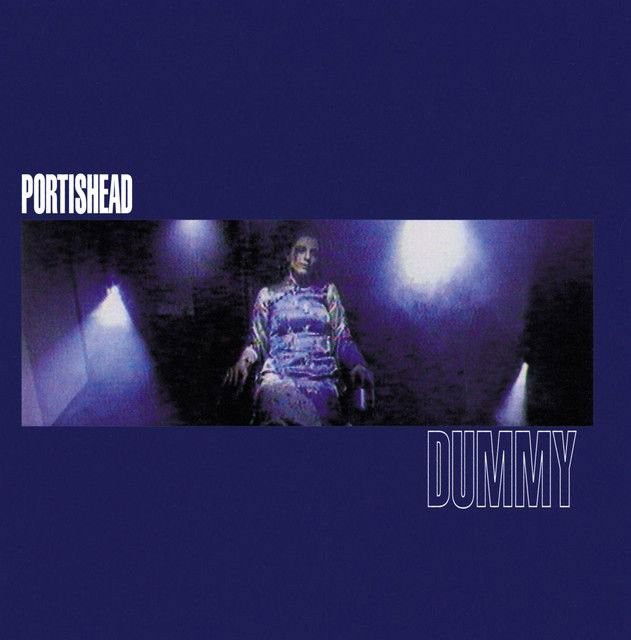
Released on Portishead's 1994 debut album Dummy, the song helped define the group's shadowy style, often grouped under trip-hop. The band consisted of Beth Gibbons, Geoff Barrow, and Adrian Utley, who are also credited as the song's writers. Dummy was widely praised and later won the Mercury Prize, which helped cement Portishead's place in 1990s British music. Those facts shape how listeners hear the track: not as a random sad song, but as part of a carefully built world of loneliness, tension, and cinematic mood.

Watch the official Roads
music video
At Its Core, What Is “Roads” About?
At heart, the song appears to be about feeling cut off from other people while trying to survive an inner struggle. The speaker does not sound angry as much as exhausted. Early on, the song frames life as a conflict with the phrase war to fight
. That line suggests that the hardest battle is not external. It feels personal, emotional, and ongoing.
The lyric also keeps returning to the idea that something is deeply out of place. When the song asks how things can feel so wrong, it does not offer a solution. Instead, it stays in that moment of confusion. That is a key part of the meaning of Roads Portishead: they are not telling a neat story with a clear ending. They are capturing the ache of being lost inside a life that no longer feels secure.
Never found our way
Regardless of what they say
Those lines point to both uncertainty and pressure. The speaker seems aware of outside voices, but those voices do not help. If anything, they make the isolation worse.
The Voice in the Song: Alone, But Not Entirely Singular
One striking detail is the shift between "I" and "we." At moments, the song feels intensely private, especially when the speaker admits being frozen to myself
. That phrase suggests emotional paralysis, almost like they are trapped inside their own mind.
But elsewhere, the song says we've got a war to fight
. Interpretation: this can be heard in two ways. First, it may describe a broken relationship, where two people are struggling together but failing to connect. Second, it may widen the feeling into something more universal, as if the song is speaking for anyone trying to hold themselves together in a cold world.
That ambiguity is part of the song's power. Portishead leave room for the listener to step into the lyric.
How the Lines Build the Theme
The song uses only a few images, but each one matters. A storm, in the morning light
places turmoil in a time usually linked with hope. Morning should bring clarity, yet here it brings unrest. That contrast tells listeners that the pain is not passing. It remains even when the day begins.
Another important line is the admission of having nobody on their side. Paraphrased, the speaker feels unsupported at the exact moment they most need comfort. The brief follow-up that this situation "ain't right" is plain, almost shockingly so. There is no poetic disguise. That plainness makes the hurt sound real.
Structurally, the repetition matters too. The chorus circles back again and again to the same emotional problem. Rather than moving forward, the song stays stuck. That mirrors depression, grief, or alienation, where a person can keep replaying the same thought without finding release.
Why the Music Matters as Much as the Words
The meaning of Roads Portishead is inseparable from its sound. Portishead were known for blending hip-hop-inspired beats, vintage textures, film-score atmosphere, and live instrumentation into something eerie and intimate. On "Roads," they strip that style down.
The arrangement moves slowly, with soft keyboard tones, restrained rhythm, and a wide sense of empty space. Nothing rushes the singer. That space makes each line feel heavier, as if it is hanging in cold air. Gibbons' vocal is the emotional center: fragile, tired, and close-mic'd enough to feel almost private.
Interpretation: the production sounds like emotional numbness. It does not explode into drama, because the song is not about release. It is about being suspended in pain.
This is also why the track has lasted. Many sad songs tell listeners what to feel. "Roads" creates a mood and lets them sit inside it.
Artist Context Helps Explain the Mood
Portishead emerged from Bristol's 1990s scene, but they never sounded casual or trendy. Their music often felt like memory, fear, and desire all at once. In reviews of Dummy, critics often noted how haunted and filmic the band's music sounded, and "Roads" may be the clearest example of that approach.
Because the lyric is so open-ended, listeners often project their own experiences onto it. Some hear heartbreak. Others hear depression, dissociation, or the fear of losing direction in life. All of those readings fit the text.
A Strong Alternate Reading
Interpretation: "Roads" may also be about the failure of communication itself. The opening plea, can't anybody see
, sounds like a cry to be understood. If that is the case, the song is not only about loneliness. It is about the pain of being visible on the outside while remaining unknown inside.
What “Roads” Ultimately Means
The best way to understand the meaning of Roads Portishead is to see it as a portrait of inner conflict, isolation, and emotional standstill. Its words are few, but they connect around one central truth: the speaker feels trapped between wanting connection and believing it may never come.
That is why the song remains so affecting. It does not solve loneliness. It gives it a voice, a texture, and a haunted kind of beauty.
Disclaimer: This interpretation is based on the song's lyrics, sound, and public context. As with many Portishead songs, ambiguity is part of the design, so other readings are possible.







