Executioner’s Tax Turns Violence Into Social Critique
Power Trip’s "Executioner’s Tax (Swing of the Axe)" sounds like a pure mosh-pit weapon at first. It is fast, sharp, and built to hit hard. But the meaning of Executioner's Tax (Swing of the Axe) Power Trip goes deeper than simple shock value.
"Executioner's Tax (Swing of the Axe)" - Power Trip
Today's your lucky day
The executioner's here
Loading lyrics...
Unable to load lyrics
We're unable to display the lyrics at this time. Please try again later.
The song uses the figure of an executioner to talk about power, punishment, and the systems people submit to even when those systems harm them. On the surface, it is about death. Underneath, it is about the terrible price of living in a world where violence, greed, and control are treated like business as usual.
The Core Idea Behind the Axe
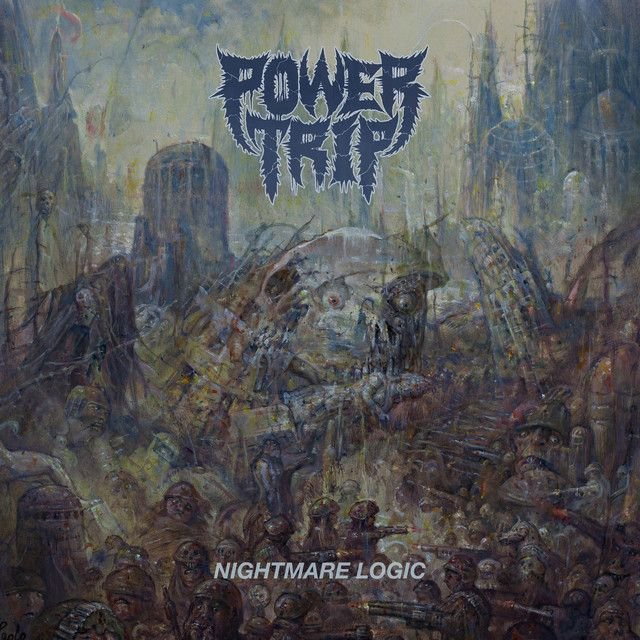
Factually, the song was released in 2017 as a single from Power Trip’s album Nightmare Logic, and it was produced by Arthur Rizk. According to Riley Gale in an Austin Chronicle interview, the lyrics were inspired by stories from medieval Europe about paying an executioner extra for a quicker, less painful death.
That gruesome image gives the song its central metaphor: even mercy has been turned into a transaction. The victim is not only condemned, but charged for the service. That is why the title matters so much. The “tax” is not a normal tax. It is the cost of being crushed by a system that already has power over them.
Interpretation: Power Trip turns that old practice into a modern critique. The song suggests that people are often sold relief by the same forces that hurt them in the first place.
Watch the official Executioner's Tax (Swing of the Axe)
music video
Who the Song Is Talking To
The lyrics speak directly to a doomed person. Early lines like today's your lucky day
and ready to make you pay
sound almost mocking. The voice is cruel, calm, and in control.
That second-person setup matters. The listener is put in the victim’s place. They are not watching an execution from far away. They are being marched toward it.
This makes the song feel less like a horror story and more like a confrontation. The target could be one person, but it could also stand for the public, the weak, or anyone trapped in a machine of punishment.
How the Chorus Sharpens the Theme
The repeated hook swing of the axe
works like a countdown. It is blunt and physical, but it also has symbolic weight. Every repetition makes the blow feel more certain.
The chorus strips away excuses. There is no debate, no appeal, and no rescue. The song’s world runs on force. When they add a phrase like cry all you want
, the message becomes colder: emotion changes nothing once the system starts moving.
Even a killer, has to get paid
Swing of the axe
Those lines capture the song’s ugliest idea. Violence is not random here. It is organized, professional, and profitable.
The Song’s Main Symbols
The executioner as a system
The executioner is not just one man with a weapon. He stands for institutional violence: governments, economies, addiction, and social habits that wear a human face but act like machines. When the lyrics call him the beginning and the end
, they make him feel almost godlike.
Interpretation: That exaggerated power may point to how helpless ordinary people can feel under political and economic pressure.
The axe as inevitability
An axe is old-fashioned, heavy, and final. Unlike a distant modern weapon, it suggests direct bodily harm. That makes the image feel primitive, but also honest. The song is showing power in its rawest form.
The tax as the hidden cost
The title’s “tax” may be the song’s smartest word. A tax is expected. It is part of the system. So the phrase suggests that suffering has been normalized. People are not only hurt; they are taught to accept the bill.
Riley Gale’s Context Changes the Meaning
Riley Gale said the song connected the executioner idea to modern self-destructive habits, including prescription drugs and junk food. That comment opens the song up in an important way.
It is not only about kings, prisons, or literal beheadings. It can also be about a society that profits from dependency and damage while presenting those things as comfort, treatment, or convenience. In that reading, the executioner does not just kill with an axe. He sells relief, sedation, and false choice.
That wider lens fits Power Trip’s political edge. Their songs often pulled hardcore urgency and thrash aggression into critiques of oppression, fear, and decay. Here, they package that anger in one unforgettable image.
Why the Music Matters So Much
The meaning of Executioner's Tax (Swing of the Axe) Power Trip would not land as hard without the music. The track’s crossover-thrash attack turns the metaphor into a physical experience.
The riffs are tense and circular, almost like a blade being raised again and again. The drumming pushes forward without much breathing room, which mirrors the song’s sense of unavoidable momentum. Gale’s voice is especially important: he sounds less like a storyteller than a herald announcing judgment.
Critics picked up on that mix of brains and force. Pitchfork praised the song’s satirical writing and heavy riffing, while Loudwire later named it the best metal song of 2017. Those reactions make sense because the track achieves something rare: it works as both a crowd-level anthem and a pointed social statement.
A Final Reading of the Song
In simple terms, this song is about paying for the violence that rules over them. In broader terms, it is about the way modern life can make exploitation feel normal, necessary, or even merciful.
Interpretation: The executioner is every system that harms people while demanding obedience, money, and gratitude. The axe is the consequence. The “tax” is the price people pay just to survive under that power.
That is why the song still hits so hard. It is brutal, catchy, and vivid, but it also sees something dark about public life: too often, the hand that wounds is the same hand collecting the fee.
Disclaimer: This article offers an interpretation based on the lyrics, artist comments, and documented context. Song meaning can remain open to different listener readings.







