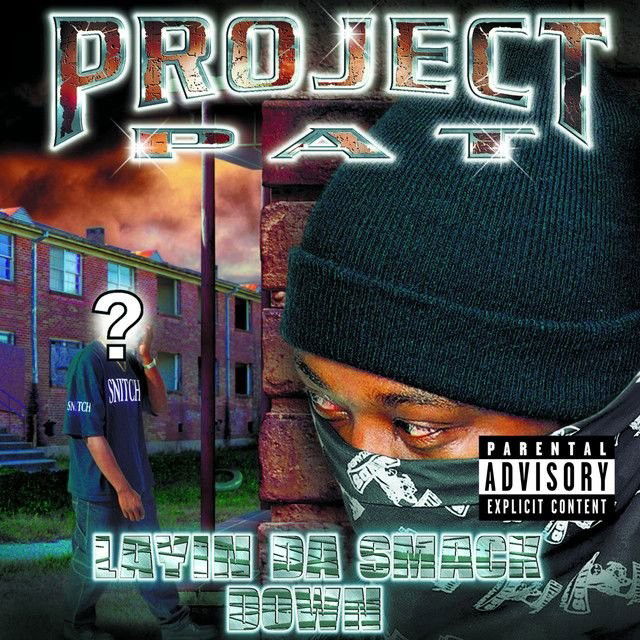
Why '90 Days' Feels Colder Than a Confession
When people look up the meaning of 90 Days Project Pat, the key point is not just that the song tells a crime story. It shows a mindset where violence, hustling, and jail time have become ordinary. The shocking part is not the action alone. It is how casually the narrator treats it.
"90 Days" - Project Pat
verse 1:
It was a hot summers night I was kickin it with gangsta.. fred out at hide park
Loading lyrics...
Unable to load lyrics
We're unable to display the lyrics at this time. Please try again later.
Project Pat, born Patrick Earl Houston, is a Memphis rapper closely tied to the city’s horror-tinged Southern rap sound and to Three 6 Mafia’s circle, a history documented in major music references like Britannica and AllMusic. That context matters because “90 Days” fits a style that often mixes street realism, menace, and dark humor.
A Street Plot Told Without Regret
On the surface, the song is a fast narrative. The first verse sets up a summer-night scene, then turns into a robbery and shooting. The second verse follows what happens after: the stolen car is hidden, parts are sold, drugs are packaged, and another confrontation leads to police trouble.
What gives the song its power is the lack of moral pause. The narrator is always scanning, always ready, and never surprised by danger. Short phrases like hot summers night
and chasin paper
present the setting as normal routine, not a dramatic turning point.
Interpretation: this is why the song can feel colder than a confession. It does not sound like someone wrestling with guilt. It sounds like someone describing the rules of survival in a world where empathy is pushed aside.
Watch the official 90 Days
music video
Why the Hook Matters So Much
The chorus is the center of the song’s meaning. Instead of focusing on fear, it lists legal trouble and brushes it off. The repeated idea behind that ain't shit
is simple: jail, charges, and police attention are treated as minor setbacks.
That makes the title “90 Days” especially important. In plain English, “within 90 days” usually means any time on or before the 90th day from a starting point, though legal counting can vary depending on the rule or document, as language references often note, including this summary of common usage. In the song, though, 90 days is not about technical counting. It symbolizes a short stretch of punishment that the narrator believes he can absorb.
Interpretation: the hook is not saying the consequences are small in a moral sense. It shows how normalized punishment has become. If jail is just part of the schedule, then the system has stopped feeling corrective.
The Voice: First-Person, But Also Persona
“90 Days” is written in a first-person voice, which makes every scene feel direct. The listener is dropped into split-second choices: spot the target, take the car, move the product, ditch the weapon. That pace is part of the song’s design.
Still, it is useful to separate narrator from artist. The song was written by Jordan Houston, Patrick Houston, and Paul Beauregard, according to the credits provided. Like many rap narratives, it can be heard as performance, reportage, exaggeration, or some mix of all three.
A Timeline of Escalation
The song’s structure is tight and easy to follow:
- A nighttime hangout turns predatory.
- A victim is targeted and attacked.
- The stolen car is moved and stripped for profit.
- Drug sales continue as if nothing happened.
- Another gun encounter brings police into the story.
That sequence matters because it shows a cycle, not one isolated act. Even three bags and a firearm
sounds less like a singular disaster than one more entry on a list of expected problems.
Memphis Sound, Memphis Pressure
Project Pat’s music is rooted in Memphis rap, a regional style known for heavy low end, eerie loops, and relentless rhythm. Those traits are central to how this song works, even without needing a full production breakdown from session notes.
The likely effect of the beat is tension without release. The flow stacks event on event, and the instrumental leaves little room for reflection. That matches the lyrics. A smoother or more emotional arrangement might have invited sympathy or remorse. Here, the sound supports numbness, urgency, and threat.
Symbols Hidden in Plain Sight
Several images repeat through the story, and each one helps explain the larger theme:
- Cars and movement: mobility means power, escape, and profit.
- Weapons: force is treated as everyday insurance.
- Drugs and cash: hustling is framed as routine labor.
- Police and warrants: authority appears not as rescue, but as another hazard.
Even a phrase like police all at my mommas home
widens the emotional frame. The trouble does not stay with the narrator alone. It spills into family space too.
The Deeper Meaning of 90 Days Project Pat
So, what is the meaning of 90 Days Project Pat in the fullest sense? The song is about desensitization. It presents a world where crime is systematic, violence is practical, and punishment is familiar.
Interpretation: beneath the bravado, there is also a bleak message. If someone can reduce jail time, warrants, and gun cases to background noise, that suggests a life shaped by constant instability. The song does not openly criticize that world, but it reveals how harsh it is.
Final Take
“90 Days” works because it does not preach. It tells a brutal story in a flat, almost businesslike way, and that detachment becomes the point. The listener hears not just what happened, but how repeated danger can reshape a person’s emotional scale.
This article offers an interpretation based on the lyrics, credits, and Project Pat’s artistic context. Like most rap storytelling, the song can support more than one reading.







