Why Prong's Biggest Song Still Hits Hard
The meaning of Snap Your Fingers, Snap Your Neck Prong comes down to pressure, contempt, and the ugly price of wanting more. Prong turn that idea into a blunt, memorable hook: people chase the good life, strain themselves for it, and end up damaged by the pursuit.
"Snap Your Fingers, Snap Your Neck" - Prong
Than memories now formed
Every moment a new seed
Loading lyrics...
Unable to load lyrics
We're unable to display the lyrics at this time. Please try again later.
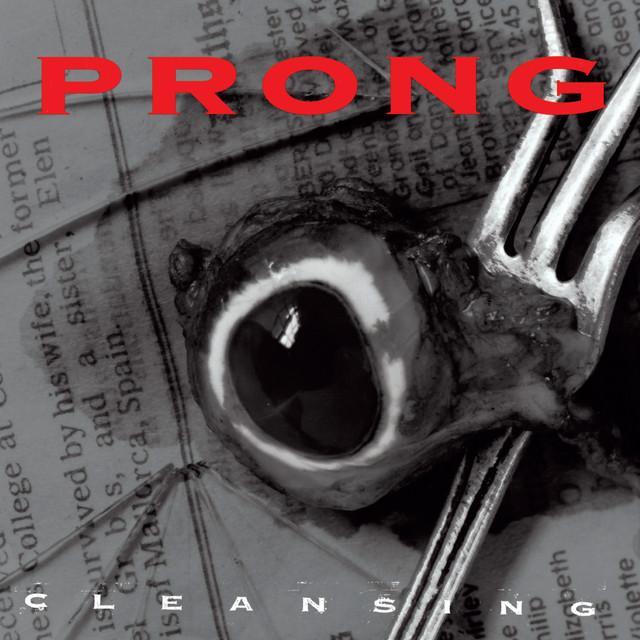
Released in 1994 as the lead single from Cleansing, the song became Prong's biggest hit and was central to the band's wider breakthrough, according to Simple Wikipedia. That success matters because the track itself sounds like a critique of the very systems that reward overwork and emotional numbness.
The Song's Core Warning
At the center of the lyric is a worldview full of frustration. The opening lines describe memory, time, and daily life as things that breed bitterness rather than comfort. Instead of growth leading somewhere hopeful, each new "seed" seems to produce more trouble.
That mood sets up the chorus. When the song says you want the good life
, it does not sound aspirational. It sounds accusing. The next phrase, you break your back
, makes the point plain: striving for success can become pure self-punishment.
Interpretation: the title phrase is a dark metaphor. To snap your fingers
suggests wanting results instantly, while snap your neck
suggests the violent backlash of that desire. In other words, the shortcut fantasy leads to ruin.

Watch the official Snap Your Fingers, Snap Your Neck
music video
A Narrator With No Patience Left
The speaker is not warm, forgiving, or idealistic. They openly reject emotional performance, saying they are no jury
and do not care how someone feels. That coldness is important.
It suggests a narrator who has watched people repeat the same mistakes for too long. They are tired of excuses, tired of false hope, and suspicious of promises about change. When the lyric mentions a "pleasant notion" of transformation turning into jeers, it shows how optimism has curdled into mockery.
This is one reason the song feels heavier than a simple rant. It is not just angry at one person. It sounds angry at a whole culture of empty expectation.
How the Verses Build the Theme
The verses move through images of memory, lost time, and spiritual emptiness. "Seconds" slipping away and spaces that "bleed" make life feel unstable and draining. Even the mention of sacrament gives the song a dry, stripped feeling, as if faith or meaning has been promised but never truly revealed.
Then the lyric turns material. The line about "daily bread" becoming hunger to steal suggests deprivation, resentment, and survival mode. Instead of stability creating gratitude, lack creates desperation.
You want the good life
you break your back
you snap your fingers
you snap your neck
That refrain matters because it condenses every verse into one brutal equation: desire plus pressure equals collapse.
The Sound Makes the Meaning Physical
Prong's arrangement is a huge part of why the message lands. The song is built on a downtuned, chugging riff and a tight groove that feels both danceable and punishing. Metal Hammer quoted Tommy Victor saying the band wanted to make "floor-danceable metal" rather than return to older thrash habits, a choice reflected in the song's club-ready pulse and mechanical stomp; that history is summarized in the Simple Wikipedia entry.
That choice changes the meaning. If the lyrics criticize systems of grind and repetition, the music enacts that grind. The riff circles with machine-like force. Ted Parsons' drumming is direct and disciplined, not flashy. Terry Date's production gives the instruments weight without turning them muddy, so the groove hits like industrial labor.
Tommy Victor's vocal delivery also matters. He does not oversing the words. He barks them with control, which makes the song feel more judgmental than emotional. That restraint fits the lyric's contempt.
Why the Chorus Became So Memorable
A lot of heavy songs have strong riffs. This one also has a slogan. The chorus is easy to remember because it is short, rhythmic, and cruelly clever. It sounds almost like advice from a hostile world.
That is part of why the track crossed over. The song was played heavily on MTV and even appeared in Beavis and Butt-Head, helping make it Prong's signature song. But popularity did not soften the message. If anything, the catchy hook made the warning harder to ignore.
Two Strong Readings of the Lyrics
Interpretation 1: A critique of consumer ambition. The clearest reading is that the song attacks the promise that hard work automatically leads to happiness. Here, ambition leads to injury, contempt, and moral compromise.
Interpretation 2: A portrait of emotional burnout. The song can also be heard as the voice of someone exhausted by life itself. Memory hurts, time drains away, and every demand feels like another theft. In this reading, the chorus is less social commentary and more nervous-system overload.
Both fit because the song never gets too specific. It stays broad enough to describe work culture, class frustration, or inner collapse.
Why It Still Connects
The meaning of Snap Your Fingers, Snap Your Neck Prong still feels current because burnout, hustle culture, and resentment are still everywhere. The song captures what happens when people are told to want everything but are given no healthy way to carry that desire.
Prong turned that idea into one of the sharpest hooks in 1990s metal: simple, bitter, and impossible to forget.
Disclaimer: This interpretation is based on the song's lyrics, sound, and documented band context. As with most songs, listeners may hear different meanings in the same lines.








