Why 'Großstadt' by Provinz Hits So Hard
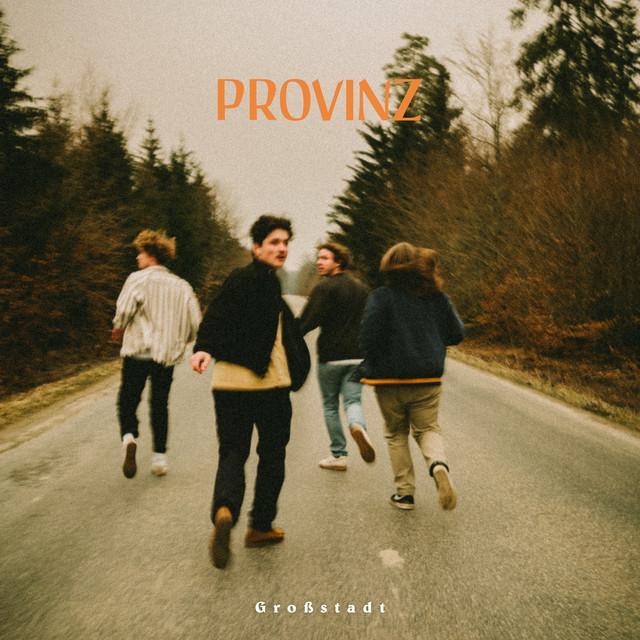
The meaning of Großstadt Provinz comes down to one sharp fear: growing up might also mean growing away. In this song, they frame the big city not as pure freedom, but as a place where identity can blur, friendships can thin out, and old habits can disappear.
"Großstadt" - Provinz
Nehm' mich mit am Ende, jeder gleich
Alle für einen, gegen den Rest der Bande
Loading lyrics...
Unable to load lyrics
We're unable to display the lyrics at this time. Please try again later.
That tension gives the track its pull. It is not simply anti-city. It is about what people think they must trade to move forward.
The Song's Core Conflict Lives in One Fear
At the center of the song is a repeated worry about self-loss. When the chorus circles around Angst mich zu verlieren
, the line is simple but heavy. They are not just afraid of an address change. They are afraid of becoming unrecognizable to themselves.
In plain terms, the narrator sees the city as a test. It offers movement, nightlife, and possibility, but it also threatens the bond of die gleichen Jungs von damals
. That phrase points to more than friendship. It suggests shared history, local identity, and the comfort of being known.
Interpretation: the song argues that staying can feel more honest than chasing a version of success defined by someone else.

Watch the official Großstadt
music video
Small-Town Life Is Not Idealized, But It Is Intimate
One reason the song works is that it does not paint country life as perfect. The verses mention drifting, drinking, smoking, and trying to forget. This is not a spotless homecoming story. It is messy, restless, and a little numb.
Still, the details feel specific and lived-in. A place with keinen Club, nur eine Bar
says a lot with very few words. There is not much to do, but there is still a center of gravity. Everyone knows where to find each other.
Later, the line fahr' zur Tanke
does even more world-building. The gas station stands in for a whole small-town ecosystem: routine, convenience, and a social map that needs no explanation. In contrast, the city image of a late-night corner shop feels foreign rather than exciting.
How the Verses Build a Group Portrait
The song mostly speaks in the first-person plural, even when one voice leads. That matters. This is not a lone ballad about private doubt; it is a group self-portrait.
Three key emotional moves
- They gather together. Early lines show a crew moving as one, spending their last money and sharing one more drink.
- They confess what partying is doing. The song suggests they drink to forget and smoke to remember, which creates a striking contradiction.
- They reject a bigger social world. By the time the chorus lands, the refusal of the city sounds less stubborn and more protective.
That contradiction in the middle is especially important. Their habits are not glamorous. They are coping tools. The song admits confusion before it ever claims certainty.
Why the Chorus Feels Like an Anthem
The hook is catchy because it turns a private anxiety into a public chant. When they repeat Ich will nicht in die Großstadt
, it sounds firm, but there is fragility underneath it.
That is why the chorus lands so well. It gives listeners a sentence for a feeling many people know: the fear that ambition could separate them from the people and places that made them.
Ich will nicht in die Großstadt
Ich hab' Angst mich zu verlieren
Even in this brief refrain, the song's whole emotional math is visible. The city equals opportunity, but also dislocation. Home equals limitation, but also recognition.
Symbols That Carry the Meaning
The lyrics rely on a few strong recurring images:
- The clear sky: a sign of emotional clarity and openness.
- The bar: a local anchor, however imperfect.
- The long drive to the next city: physical distance becomes emotional distance.
- Drugs and colored lights: modern escape that never fully solves anything.
Interpretation: these symbols show that the song is not defending small-town life because it is easy. It defends it because it still feels readable. In the city, the narrator fears becoming scattered.
How the Sound Supports the Story
Provinz are known as a German indie pop-rock band, and that mix matters here. Their songs often combine youthful directness with swelling, emotional arrangements, a style widely noted in coverage of the band and their releases (Universal Music Germany, DIFFUS).
In "Großstadt," the production helps the message by making the chorus feel communal instead of isolated. The beat and vocal phrasing push the song forward, but the repeated melodic hook feels almost like a group shout. That gives the fear a shared shape.
The credited writers are Farsad Zoroofchi, Gerrit Falius, Malte Kuhn, Tim Tautorat, and Vincent Waizenegger. Those names are part of the song's documented authorship in the context provided. Even without a confirmed producer listed here, the arrangement clearly aims for contrast: tense verses, then a broad, memorable release.
A Useful Alternate Reading
There is another way to hear the track. Interpretation: the city may stand for adulthood itself. In that reading, the narrator is less afraid of Berlin, Hamburg, or any real destination than of becoming a polished adult with no trace of teenage loyalty left.
That reading fits the nostalgia of die gleichen Jungs von damals
. It also fits the song's resistance to scenes, parties, and expectations that feel imported from somewhere else.
What 'Großstadt' Finally Says
The meaning of Großstadt Provinz is not that cities are bad. It is that change can feel expensive when identity, friendship, and memory are on the line.
What makes the song resonate is its honesty. They do not pretend home is perfect, and they do not pretend escape is simple. They stand in the uncomfortable middle, where staying and leaving both cost something.
Disclaimer: This interpretation is based on the lyrics provided and publicly known artist context. As with any song, listeners may hear different meanings in the same lines.







