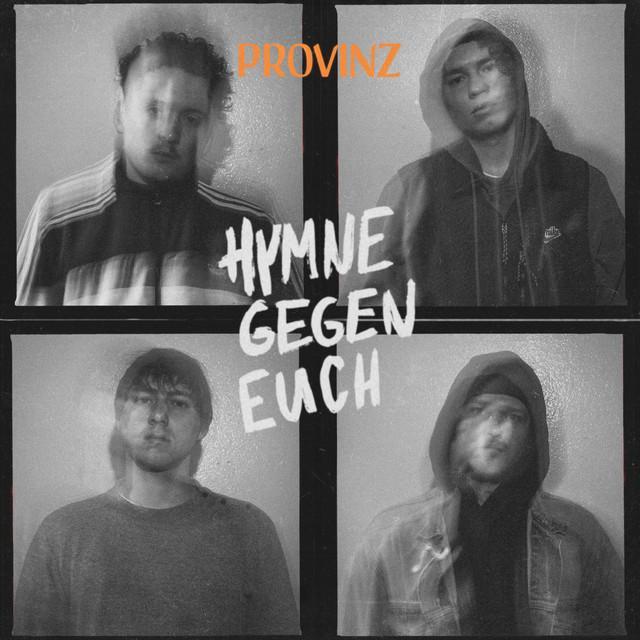
Why 'Hymne gegen euch' Hits Like a Youth Revolt
The meaning of Hymne gegen euch Provinz starts with a challenge: this is not a song that asks for sympathy. It is a song that pushes back. In blunt, chant-like language, Provinz frame youth frustration as something larger than sadness or boredom. They turn it into a public refusal.
"Hymne gegen euch" - Provinz
Du bist wütend und wirfst keine Steine
Sie sagen: „Die Jugend ist deprimiert“
Loading lyrics...
Unable to load lyrics
We're unable to display the lyrics at this time. Please try again later.
That matters because the track argues against a common stereotype. The lyrics mention people who say young people are depressed and not interested in politics. The song answers that claim by showing anger, solidarity, and movement. Instead of isolation, it imagines a crowd.
A Protest Song Built on Shared Anger
At its core, the song is about a generation that feels judged, boxed in, and talked over. The opening thought says the listener is not alone. From there, the verses move from private frustration to collective force.
One key line points to the shift from quiet resistance to something louder, using the image of a silent protest becoming a mass. That idea prepares the chorus, where the song stops sounding like reflection and starts sounding like confrontation. The repeated phrase Hymne gegen euch
is simple, but that simplicity is the point: it works like a slogan.
Interpretation: the song’s target is wider than one person. The euch
—“you” in plural—suggests a whole class of people: authority figures, narrow-minded adults, political cynics, or anyone who benefits from the status quo.

Watch the official Hymne gegen euch
music video
Who They Seem to Be Fighting
The verses paint a social world full of hypocrisy. The song criticizes people who reduce life to careerism, comfort, and self-interest. It also mocks shallow thinking through the image of a limited worldview, the classic “plate rim” idea in German, meaning people who cannot see beyond their own experience.
Another pointed moment is deine Jungs gehen in' Puff
. In context, the lyric is not random shock value. It attacks male entitlement and asks whether certain people feel “safe” only inside systems that excuse exploitation. The song uses that ugly image to expose moral double standards.
There is also an environmental and generational frustration in the line about grünes Gras
. Paraphrased, it sounds like adults talking about the future in a small, self-protective way instead of facing deeper problems. The question is not really about a lawn. It is about what kind of world gets handed down.
How the Chorus Turns Complaint into a Chant
The hook is the engine of the song. Provinz repeat the title phrase until it feels less like a lyric and more like a rally cry. Before that, the verses collect examples of social rot; once the chorus hits, all those examples get aimed in one direction.
The line about Schüsse in der Luft
raises the emotional stakes. Taken literally, it suggests violence or threat. Taken symbolically, it suggests the sound of conflict breaking into public space. The following idea—that it is more than just noise—tells listeners to hear the moment politically, not just emotionally.
Das ist kein Lied für us
Das ist 'ne Hymne gegen euch
That short refrain matters because it redraws the song’s purpose. They are not trying to comfort the powerful or explain themselves politely. They are drawing a line.
The Sound Supports the Message
Provinz are known as a German indie-pop/indie-rock band whose music often pairs big emotional hooks with social feeling, as seen across their official releases and band materials. In this song, the writing credits include Farsad Zoroofchi, Vincent Waizenegger, Malte Kuhn, and Tim Tautorat, as provided in the song’s credits.
Musically, the track likely works by contrast: tense verses, then a larger, more anthemic chorus. That structure fits the lyric arc from suppressed anger to mass declaration. Even without needing every production detail, listeners can hear how repetition, forceful rhythm, and a communal vocal feel help sell the message.
Interpretation: this is why the song sounds bigger than a personal confession. Its arrangement seems built to mimic a demonstration. The chorus does not simply repeat; it gathers people.
A Few Symbols That Carry the Meaning
Several recurring images sharpen the message:
- Stones not thrown: anger held back, but still real.
- Silent protest: frustration before it becomes visible.
- Shots in the air: a warning signal, chaos, or uprising.
- Dirt around us: a damaged social climate.
- Weather changing: unstable values and opportunism.
Together, these images suggest a society that keeps pressuring people to stay quiet while giving them more reasons to speak.
Two Strong Readings of the Song
The first reading is political. In that version, the song is aimed at leaders, institutions, and older voices who dismiss youth concerns.
The second reading is cultural. Here, the target is broader: macho behavior, hollow ambition, and the shallow habits of a society that mistakes comfort for safety. The song works well because both readings can exist at once.
Why the Song Connects Beyond Germany
Even for U.S. listeners, the meaning of Hymne gegen euch Provinz is easy to grasp. Many of its themes travel well: distrust of elites, youth anger, climate anxiety, and the feeling that older systems are failing. The language is German, but the emotional logic is global.
What makes the track stand out is that it does not stay in hopelessness. It begins with alienation, but keeps moving toward solidarity. That is why the song feels combustible rather than defeated.
Final Take on the Song’s Meaning
In the end, “Hymne gegen euch” is about turning dismissal into defiance. Provinz present a generation that has been described from the outside and now answers back in its own voice.
That makes the song feel less like a complaint and more like a declaration: they are here, they see the hypocrisy, and they are done pretending it is only personal pain.
Disclaimer: This interpretation is based on the lyrics provided and publicly known artist context. As with any song, meaning can remain open and may differ from the band’s exact intent.








