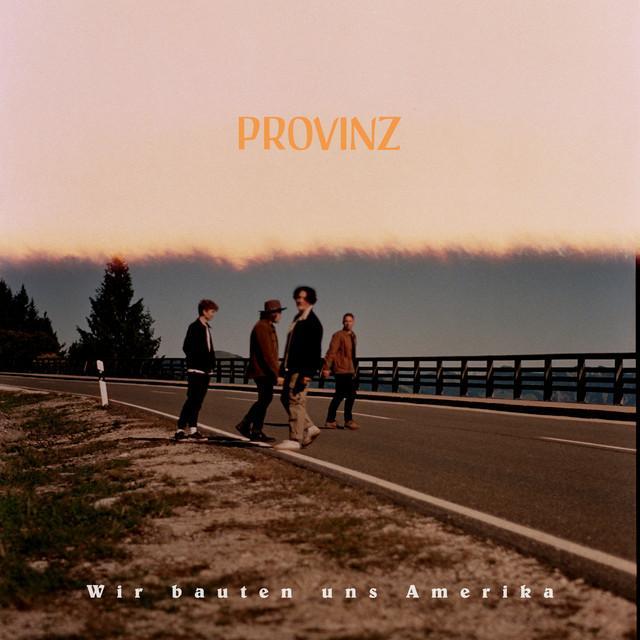
Why 'Wenn die Party vorbei ist' Hits So Hard
The meaning of Wenn die Party vorbei ist Provinz comes down to a painful contrast: public noise versus private emptiness. On the surface, the song describes a party. Underneath, it is about alienation, overstimulation, and the strange relief that arrives when the crowd disappears.
"Wenn die Party vorbei ist" - Provinz
Wahrscheinlich habt ihr mich schon gesehen
Ich überrasche auch nie (mh-mh)
Loading lyrics...
Unable to load lyrics
We're unable to display the lyrics at this time. Please try again later.
Provinz, the German indie band from southern Germany, are known for mixing emotional directness with big, singable arrangements, as noted across their official profiles and releases (Provinz official site, Universal Music Germany). This track fits that style well. It sounds communal, but its heart is lonely.
The Real Emotional Story Beneath the Crowd
At first, the song places the speaker inside a familiar social scene: people shouting, dancing, and reacting on cue. But the lyrics quickly show that they do not feel connected to any of it. They arrive, they are seen, yet they do not feel truly known.
That is the key to the song. The party is not just a setting. It is a symbol for social life as performance. Everyone seems active, loud, and expressive, but the speaker feels split off from the room. Even pleasure feels worn out.
A short line like between laughing and crying
captures that unstable mood. The night is not simply fun or sad. It is both at once, which makes the experience feel emotionally confusing rather than freeing.

Watch the official Wenn die Party vorbei ist
music video
Why the Chorus Feels Like a Sigh of Relief
The chorus gives the song its emotional center. When the singer says lieber alleine
and later longs for things to become endlich leise
, the song reframes solitude as comfort.
This is important. In many pop songs, being alone sounds tragic. Here, being alone sounds honest. The silence after the music stops is not a punishment. It is the first moment when the speaker can hear their own feelings again.
Interpretation: the chorus suggests that the party has become a kind of mask. Once it ends, the mask can drop. That is why the repeated return to quiet feels almost healing, even if it also carries sadness.
A Narrator Watching More Than Joining
The verses show a person who observes more than they participate. They notice reactions, movement, and crowd behavior with a detached eye. That distance matters.
When the lyrics mention being deep in intoxication
yet feeling nothing, the song points to numbness rather than escape. Even altered states do not solve the deeper problem. The line about silence making them numb adds another twist: both noise and silence can feel overwhelming.
That paradox gives the writing its strength. The speaker wants the party to end, but they are not exactly at peace either. They are caught between overload and emptiness.
The Sharpest Image in the Song
One of the most revealing moments is the phrase the saddest clown
. It turns the song outward for a second, possibly toward another person, but it also reflects the speaker back to themselves.
A clown is supposed to entertain. A sad clown performs joy while hiding pain. That image fits the whole track. The room is full of motion and noise, but no one seems fully alive inside it.
The later description of people jumping when the bass drops and screaming when the beat starts makes the crowd seem almost automatic. They respond to sound on instinct, not from real connection. The song does not mock them exactly, but it does question whether all that energy means anything lasting.
Rain, Volume, and the Feeling of Collapse
Another strong detail is the rain falling like applause. That image is clever because applause usually marks success, celebration, or approval. Rain, by contrast, often suggests emotional release, sadness, or aftermath.
By blending those ideas, the song makes the night feel theatrical. It is as if the party is ending with a dramatic curtain call, but nobody has actually been changed by it. The image of someone drowning yet still waving adds to this. It shows a person in distress still trying to keep up appearances.
Interpretation: this may be the song’s harshest point. It suggests people can be overwhelmed while still acting like they are fine.
How Provinz’s Sound Supports the Meaning
Provinz often build songs from intimate emotions into larger, festival-ready sounds, a trait discussed in coverage of the band’s rise in German indie pop (DIFFUS, MUSIKEXPRESS). That tension matters here.
The production likely works best when it feels large enough to resemble the party itself, while the vocal delivery keeps a bruised, inward quality. That contrast mirrors the lyric’s main conflict: big external energy, small internal collapse.
The repetition in the hook also matters. Instead of pushing the song toward release, it traps the listener in the same emotional loop. The more the chorus returns, the more it sounds like an exhausted truth rather than a dramatic statement.
Two Strong Ways to Read the Song
There are at least two convincing readings of the meaning of Wenn die Party vorbei ist Provinz:
- Post-party loneliness: the song captures the comedown after a night out, when stimulation fades and unresolved feelings rush back.
- A critique of performance culture: the party stands for social roles, image, and forced excitement. Silence becomes the only space where honesty is possible.
Both readings fit because the lyrics stay emotionally specific while leaving the setting broad enough to mean more than one thing.
Why the Song Connects So Easily
What makes the track memorable is how plainly it names a feeling many people know but rarely celebrate: the relief of leaving. Not because people are bad, but because noise can become exhausting when they already feel disconnected.
In that sense, the song is not anti-party. It is anti-pretending. It understands that the loudest room can also be the loneliest.
Disclaimer: This interpretation is based on the lyrics, known artist context, and the song’s musical style. As with any song, listeners may hear different meanings in it.







