Why ‘Harder Than You Think’ Still Hits
The Core Message Behind the Anthem
The meaning of Harder Than You Think Public Enemy comes down to endurance with purpose. They are not just telling listeners that life is difficult. They are saying the struggle is real, political, and ongoing, but getting back up still matters.
"Harder Than You Think" - Public Enemy
Rolling Stones of the rap game, not bragging
Lips bigger than Jagger, not saggin'
Loading lyrics...
Unable to load lyrics
We're unable to display the lyrics at this time. Please try again later.
Across the song, Public Enemy mix social criticism with motivation. The verses point at racism, media distortion, state power, and the loss of political focus in rap. Then the chorus cuts through all of that with a simple command: Get up
. That hook turns the song from protest into action.
Interpretation: the title suggests that progress, justice, and even self-respect take more effort than people want to admit. But the group frames that difficulty as necessary, even life-giving.

Watch the official Harder Than You Think
music video
Public Enemy’s Voice: Protest With Accountability
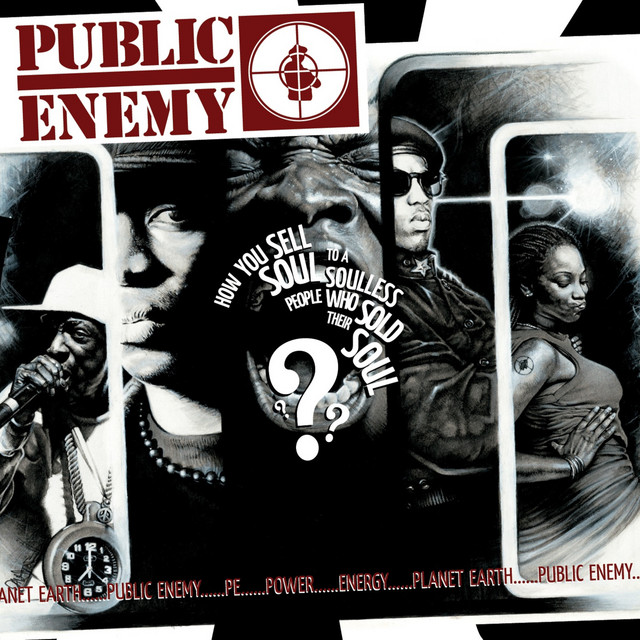
Public Enemy had already built their reputation on politically charged rap long before this 2007 single from How You Sell Soul to a Soulless People Who Sold Their Soul? Their long history matters because the song is partly self-reflection as well as critique. According to documented release details, it was written by Chuck D, Flavor Flav, and Gary G-Wiz, and produced by Gary G-Wiz Wikipedia.
They open by placing themselves in rap history, but not simply to brag. They compare their staying power to classic rock legends, then quickly move to exposing false heroes and systems that exploit Black communities. When Chuck D references Fight the Power
, he is not recycling an old slogan. He is reminding listeners that cultural influence brings duty.
That is why one of the song’s sharpest moments questions who really protects the vulnerable. Public Enemy are angry about institutions, but they also challenge the audience and the culture around them. Their stance is not passive. They want awareness, but also responsibility.
How the Verses Build the Meaning
A map of social pressure
The first verse names big forces: government power, media narratives, and people who profit from Black pain. The line about believing TV warns that individualism and mass media can divide people. In plain terms, they argue that propaganda works best when community becomes isolated.
Then they criticize trends in rap that celebrate money, misogyny, and informing for attention. Their point is not nostalgia for its own sake. It is that commercial culture can distract from survival and solidarity.
A warning about cultural amnesia
In the second verse, they say consciousness faded while gangster posturing stayed marketable. The phrase consciousness faded
captures the song’s fear that message-driven rap was pushed aside by easier, more profitable myths.
They also connect present-day violence to longer histories of slavery, lynching, and drugs entering communities. That move broadens the song. It is not just about one bad era in music. It is about inherited damage.
Why the Chorus Feels So Powerful
The chorus is repetitive on purpose. Hard
and Get up
work like a chant at a rally, a workout, or a march. The words are basic, but the effect is strong because the verses have already explained what people are getting up against.
Throw yo hands in the airGet up and show no fearGet up if y'all really care
This is the song’s only real release point. After verses full of political pressure, the hook offers movement instead of despair. Interpretation: Public Enemy are saying hope is not denial. Hope is a discipline.
The Sound Turns Protest Into Momentum
A huge part of the song’s meaning comes from its production. Gary G-Wiz builds the track around the dramatic horn figure associated with Shirley Bassey’s recording of “Jezahel,” as noted in reporting on the single’s composition Wikipedia. That brass line gives the song a cinematic, almost victory-lap feel.
This matters because the lyrics are heavy. Without that bright, charging sample, the song could feel grim. Instead, the beat sounds like forward motion. The drums stay forceful, the horns feel urgent, and Chuck D’s delivery is stern but energizing. The music says: keep moving.
That tension is the point. Public Enemy pair hard truths with a triumphant sound so the song can function as both warning and fuel.
Why the Song Found a Second Life
One reason this track became bigger over time is that listeners heard more than anger in it. In 2012, Channel 4 used it prominently in Paralympics coverage, helping send it to No. 4 on the UK Singles Chart, Public Enemy’s highest UK chart peak Official Charts data summarized by Wikipedia. That context changed how many people received the song.
In sports and disability contexts, the hook sounded like pure perseverance. That reading is valid, but it only tells part of the story. The song absolutely inspires, yet its inspiration is rooted in politics, history, and collective struggle.
A brief review in The Independent called it a “call to arms,” which fits. Even when used in uplifting media settings, the song keeps its edge. It motivates because it remembers what people are up against.
Final Reading: More Than a Motivational Track
So what is the meaning of Harder Than You Think Public Enemy? At its heart, it is a song about resistance that refuses empty optimism. They admit the system is stacked, the culture gets distracted, and progress can stall. But they insist people can still rise, organize, and act.
The final message is simple: survival is collective, not just personal. Public Enemy turn struggle into motion, and motion into dignity. That is why the song still works as protest music, sports anthem, and personal push at the same time.
Disclaimer: This interpretation is based on the song’s lyrics, sound, and public context. As with any art, listeners may hear different meanings in it.









