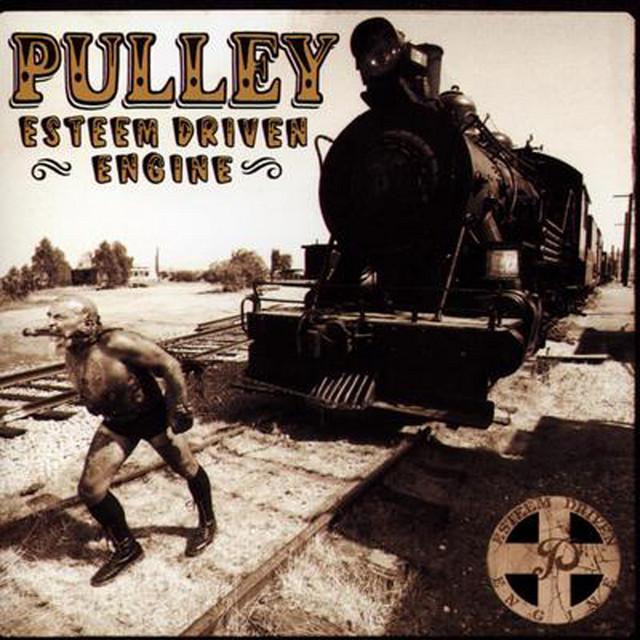
Why "Cashed In" by Pulley Still Hits
The meaning of Cashed In Pulley comes down to a sharp complaint: some people love the money, status, and fashion around music more than the music itself. Pulley frame that complaint through the voice of someone who has already paid their dues, only to watch others benefit from the work and then act like they own the scene.
"Cashed In" - Pulley
And I've seen the sun go down.
Played my share of dues,
Loading lyrics...
Unable to load lyrics
We're unable to display the lyrics at this time. Please try again later.
That makes the song feel bigger than one argument. It is about punk credibility, local scene politics, and the tired cycle where new gatekeepers show up, sell the culture back to people, and push aside the ones who helped build it.
A Punk Song About Being Used
At its core, the song sounds like a response to exploitation. The speaker says they have walked a long road and suffered for what they care about, but someone still wants to diminish them. When the lyric lands on you still want to put me down
, the point is not just personal hurt. It suggests a wider pattern of disrespect.
That frustration sharpens in the title idea itself. When the song says now you're cashing in
, it accuses someone of profiting from another person’s labor, commitment, or history. In simple terms, Pulley seem to be calling out people who arrived late, grabbed control, and turned culture into a business move.
Watch the official Cashed In
music video
Where the Conflict Lives
The setting feels local and real. There are references to town, walls, shirts for sale, and a new scene always arriving. Those details suggest clubs, merch tables, flyers, and trend cycles. Instead of describing the music world in a glamorous way, the song shows it as crowded, competitive, and full of people trying to sell identity.
One especially revealing moment is brand new scene
. That phrase hints at how quickly scenes can reinvent themselves, sometimes without much memory or loyalty. What mattered last week is suddenly old. In that kind of world, the bands or people who did the hard work can end up erased.
The Real Target: Trend-Chasers
One of the song’s strongest ideas is that style has replaced substance. The speaker notices that some people care more about what can be sold than what can be said. That critique becomes clear when Pulley contrast musical change with commercial motives.
The most direct statement comes near the end:
The music's not so important to you,
It's what you're makin' off the show.
This is the emotional center of the song. Pulley are not complaining that music changes. They are complaining about why it changes, and who benefits. Interpretation: the song argues that evolution in a scene is fine, but exploitation is not. If money becomes the only value, community disappears.
How the Verses Build That Meaning
The first part of the lyric establishes experience and endurance. The speaker has traveled, worked, and suffered. That history matters because it gives the criticism weight. They are not speaking as an outsider throwing stones. They sound like someone who has been there long enough to recognize when a scene is losing its soul.
Then the song zooms outward. It moves from personal grievance to a more social picture: boys in town, pockets, shirts, and the mechanics of a small music economy. Those details make the song feel less like a breakup or private feud and more like a critique of scene capitalism.
By the time Pulley get to starting from the bottom again
, the song shows the cost of all this. The speaker feels stuck in a cycle where effort does not lead to security. Every time trends shift, they are pushed back to square one.
How the Sound Carries the Message
Pulley are widely associated with Southern California punk and melodic skate-punk energy, with vocalist Scott Radinsky known both for music and professional baseball, facts reflected in standard artist biographies and discographies such as AllMusic. That context matters because this song’s complaint fits the punk tradition of resisting commercial takeover.
Musically, the track’s likely force comes from speed, tight rhythm, and a blunt vocal attack. Even without overreading every instrument, the lyric itself invites that kind of delivery. Lines about changing tempos—play it faster, play it slower
—almost mock the idea that surface adjustments equal artistic value.
Interpretation: the song’s energy supports its message by sounding urgent rather than polished. A rough-edged alternative-punk approach makes the criticism feel honest. It sounds like a band defending principle, not selling one.
Another Way to Read It
There is also a narrower reading. Interpretation: the song could be aimed at specific promoters, local tastemakers, or scene figures who controlled access and made money from popularity. The merch imagery and references to town support that possibility.
But the song works even if no single target is named. That is part of why it lasts. Many listeners have seen some version of this story: people build a culture, others package it, and then the originals get treated like leftovers.
Why "Cashed In" Still Connects
The meaning of Cashed In Pulley remains clear because the problem has not gone away. Scenes still get commercialized. Image still threatens to outrun substance. And artists still wonder whether the people around them love the songs or just the business around them.
Pulley turn that frustration into something direct and memorable. They do not just complain about being overlooked. They describe a whole ecosystem where authenticity is tested by money, fashion, and turnover.
That is why the song still hits: it defends the idea that music should mean more than what can be sold.
Disclaimer: This article offers informed interpretation based on the lyrics provided and general artist context. Song meanings can remain open, and listeners may hear the track differently.







