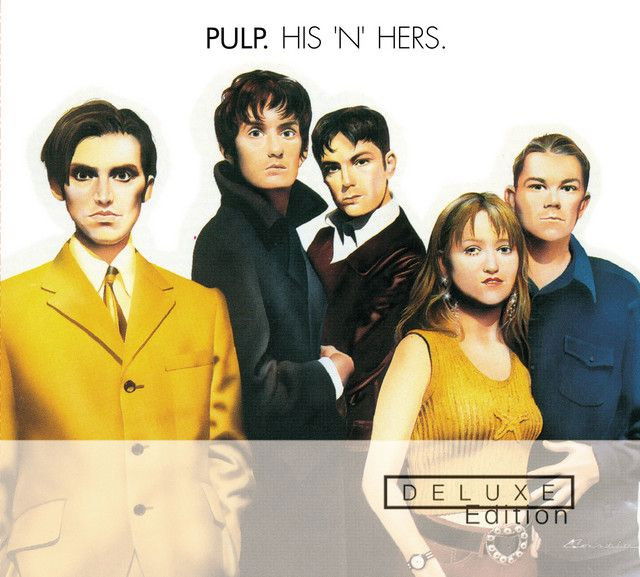
Pulp Turn First-Time Nerves Into Sharp Drama
The meaning of Do You Remember The First Time? Pulp comes from its double focus. On one level, it is about an awkward sexual beginning. On another, it is about jealousy, class-coded ideas of normal life, and the strange way people revisit memories they claim to be over.
"Do You Remember The First Time?" - Pulp
'Cause he's sitting on his own again this evening
I know you're gonna let him bore your pants off again
Loading lyrics...
Unable to load lyrics
We're unable to display the lyrics at this time. Please try again later.
Released in 1994 as the second single from His 'n' Hers, the track became Pulp’s first UK Top 40 hit and helped push them toward the wider Britpop breakthrough they would soon enjoy. It was written by the band and produced by Ed Buller, with Jarvis Cocker later saying it was loosely based on his own first sexual experience at nineteen. Those details matter because the song sounds both personal and theatrical at once.
What This Song Is Really Digging Into
At the center of the song is a speaker addressing someone who keeps going back home to another man. The relationship feels unresolved, sexual, and competitive. The title hints at first sex, but the verses show something more tangled: memory mixed with resentment.
The speaker watches this person choose stability over excitement. When they mention going home because someone is waiting, the line is not romantic. It sounds bored, mocking, and wounded. A phrase like you've got to go home
becomes less about duty and more about surrender.
Interpretation: Pulp is not celebrating a magical first time. They are stripping away the myth. The song suggests that first experiences can be clumsy, disappointing, and hard to separate from later emotional baggage.
Watch the official Do You Remember The First Time?
music video
The Chorus Turns Memory Into a Weapon
The chorus is where the song’s meaning sharpens. Instead of treating memory as sweet nostalgia, the speaker flips it. They ask Do you remember the first time?
and then answer with a worse time
. That twist is darkly funny, but it also reveals pain.
This is classic Pulp writing: a hook that sounds huge and singable, but contains embarrassment and bitterness. The line about having changed so much since then
sounds like growth, yet it is not fully convincing. People often say they have moved on while still replaying the same scene.
So when the speaker insists they do not care anymore, the song itself suggests the opposite. Repetition becomes evidence. If they truly felt nothing, they would not keep returning to the moment.
Desire, Respectability, and the Idea of “Straight”
One of the song’s most revealing ideas is its use of ordinary domestic life as something both safe and deadening. The other man is framed as dull, predictable, and emotionally limited. The jab He's so straight
works in more than one way.
On the surface, it mocks someone conventional and boring. In the wider Pulp universe, though, “straight” can also point to social conformity itself: the expected couple, the proper home, the approved version of adulthood. That makes the song about more than a love triangle.
Interpretation: The speaker may resent not only the rival, but the kind of life that rival represents. Going home means choosing safety, routine, and social legitimacy over risk, mess, and desire.
How the Verses Build the Story
The song unfolds in a few clear beats:
- The addressee says they need to leave.
- The speaker mocks the partner waiting at home.
- Sexual dissatisfaction is hinted at in blunt, comic terms.
- The chorus pulls everything back to the memory of a bad “first time.”
- The speaker claims emotional distance, but sounds anything but detached.
That structure is why the song lands so strongly. Every verse adds more detail, but the chorus keeps reframing the past as unfinished business.
Why the Sound Feels So Alive
Musically, the track is bright, nervous, and immediate. Pulp’s lineup on the recording included Jarvis Cocker on vocals, guitars, and piano, Russell Senior on guitar, Candida Doyle on synths and organ, Steve Mackey on bass, and Nick Banks on drums. The arrangement has the snap of Britpop, but it also has a slightly wiry tension.
The rhythm section pushes forward, giving the song momentum, while Doyle’s keys help add a polished pop sheen. That matters because the music never wallows. Instead, it turns discomfort into motion.
Cocker’s vocal is crucial too. He does not sing these lines like a tragic confession. He half-speaks them with sarcasm, making the speaker sound observant, petty, funny, and hurt all at once. That balance is a big reason critics have long rated the song highly.
Artist Context Helps Explain the Bluntness
According to reporting collected by Wikipedia, Cocker said the lyrics were loosely based on his own first sexual experience and argued that the subject resonated because nearly everyone has a story about a first time. That plainspoken approach fits Pulp’s larger style: they often wrote about sex, class, longing, and embarrassment without dressing them up as grand romance.
The song’s reception supports that reading. It peaked at No. 33 on the UK Singles Chart and later earned a Silver certification in the UK. Reviewers have praised its sting and humor, with one critic calling it a gorgeously spiteful kiss-off. Even that description captures the song’s blend of pop pleasure and emotional abrasion.
The Best Way to Read the Ending
By the end, the repeated wish to go home feels almost hypnotic. Home should mean comfort, but here it sounds like retreat. The speaker is left outside that stability, mocking it and wanting it at the same time.
That is the real power behind the meaning of Do You Remember The First Time? Pulp: it treats memory as a battlefield. First experiences do not stay in the past. They shape later desire, later shame, and later comparisons.
Pulp turns all of that into a song that is catchy enough to shout along with, even as it cuts deep.
Disclaimer: This interpretation separates established facts about the song’s release and background from critical reading of the lyrics. Meanings can vary from listener to listener.








