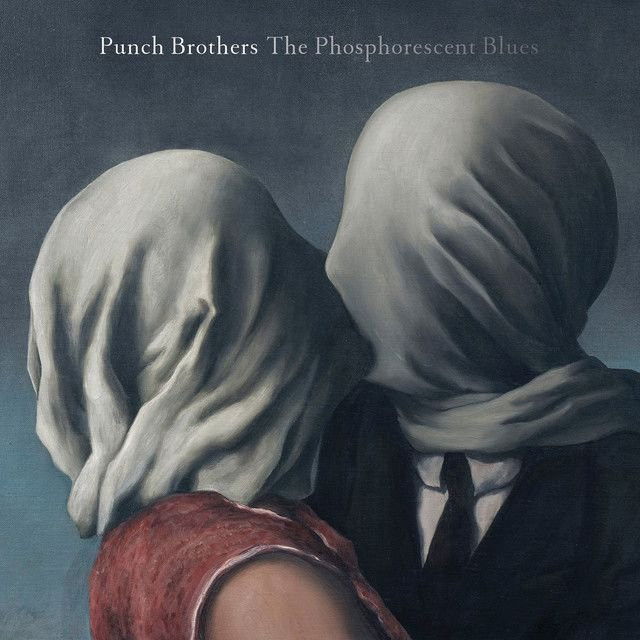
Julep by Punch Brothers
A Porch-Sized Vision of Forever
The meaning of Julep Punch Brothers centers on a simple but powerful idea: a good life is measured in love, memory, and small shared rituals. The song imagines death, but not in a fearful way. Instead, it opens with peace, family gathered close, and a partner still present in spirit.
"Julep" - Punch Brothers
I died happy in my sleep
Our children around and you looking down
Loading lyrics...
Unable to load lyrics
We're unable to display the lyrics at this time. Please try again later.
That is what makes the song so moving. It treats heaven not as a distant spectacle, but as a familiar place. In the singer’s mind, paradise looks like a julep on the porch
—a quiet Southern image of rest, sweetness, and company.
Watch the official Julep
music video
What the Story Is Really Saying
On the surface, the narrator describes dying content, then remembering the path that led there. They think about the woman they loved, the family they built, and the objects that marked their life together.
Interpretation: The song is really about how ordinary love becomes eternal through memory. The backyard drink, the porch, the clock, and the family scene all suggest that a full life is not made of dramatic events alone. It is made of repeated acts of care.
The opening line, I died happy in my sleep
, sets that tone immediately. Instead of tragedy, the song offers closure. The narrator seems to be looking back from the edge of death, or perhaps from beyond it, with gratitude rather than regret.
A Love Story Told Backward
The song’s timeline moves in a gentle loop. It starts at the end, then returns to key moments that explain why the ending feels so peaceful.
The final scene comes first
The first image is one of completion: children nearby, a beloved looking down, and a soul at rest. The listener meets the singer at the end of life before learning how they got there.
Then the song returns to courtship
Later, the narrator remembers youthful romance and family approval. The details are concrete. They recall the sugar and the mint
, while another man brings the whiskey and asks for a blessing. Those domestic details make the relationship feel rooted in family tradition.
Then memory widens into a lifetime
The song looks back further, to when you were just a girl
and they met for drinks in the backyard. In a few lines, Punch Brothers sketch an entire shared life: attraction, marriage, children, summers, aging, and devotion.
The Symbols That Carry the Song
Punch Brothers build the song from objects that mean more than they first seem to.
The julep
The mint julep is the song’s clearest symbol. It suggests ritual, hospitality, and pleasure, but also a kind of handmade heaven. A julep is mixed carefully. That matters here. Love, too, is shown as something built from small ingredients over time.
The porch
The porch is neither fully private nor fully public. It is where life slows down. In the song, it becomes a threshold between earth and heaven, youth and old age, time and timelessness.
The clock
The grandfather clock may be the song’s deepest image. Its repeated tick, tick, tocking
reminds the listener that time is always passing. But the line about how they used to wind it
adds another layer: humans try to manage time, maintain order, and keep life moving.
Then the song reaches a striking thought. Time stops, and the couple drinks from silver that God will never tarnish. Interpretation: This suggests an afterlife where decay no longer rules. The body ages; metal tarnishes; clocks run down. But love, in the narrator’s vision, survives those limits.
Now the time stands still
We drink our fill
Out of silver
This is the article’s strongest image of eternity: not endless action, but stillness without fear.
How the Sound Deepens the Meaning
Punch Brothers are known for blending bluegrass technique with chamber-like precision. According to Nonesuch, the band’s lineup centers on mandolin, fiddle, banjo, guitar, and bass, which matters here because the arrangement feels rooted in American folk tradition even as it reaches toward something more composed and cinematic.
In “Julep,” the acoustic setting keeps the song intimate. There is no huge percussion crash or pop chorus. Instead, the instruments move with patience, like memory unfolding in waves. Chris Thile’s vocal delivery is tender but controlled, which helps the song avoid sentimentality.
The repeated clock-like phrasing also works as rhythm. As the ticks multiply, the sound starts to feel almost physical, like listeners can hear life passing. On the band’s album The Phosphorescent Blues, that mixture of technical skill and emotional directness is a defining trait.
Faith, Family, and the Afterlife
The song uses spiritual language, but it does not read like a formal hymn. Heaven is not described through doctrine. It is described through closeness. Family surrounds the narrator. The loved one remains central. God appears briefly, mainly to contrast earthly wear with something everlasting.
Interpretation: That makes the song broadly accessible, even for listeners who are not religious. Its deepest hope is not tied to theology alone. It is tied to the belief that love means something permanent.
Why “Julep” Stays With Listeners
Part of the song’s power is its scale. It speaks about death, heaven, and time, but uses backyard drinks and front-porch rocking chairs to do it. The result feels both grand and humble.
That is the heart of the meaning of Julep Punch Brothers: a life well lived can make eternity feel familiar. The song suggests that heaven may look less like escape and more like completion.
Interpretation disclaimer: This reading separates observed details from inference. Because Punch Brothers write with poetic openness, listeners may hear the song as a love story, a meditation on mortality, or both at once.








