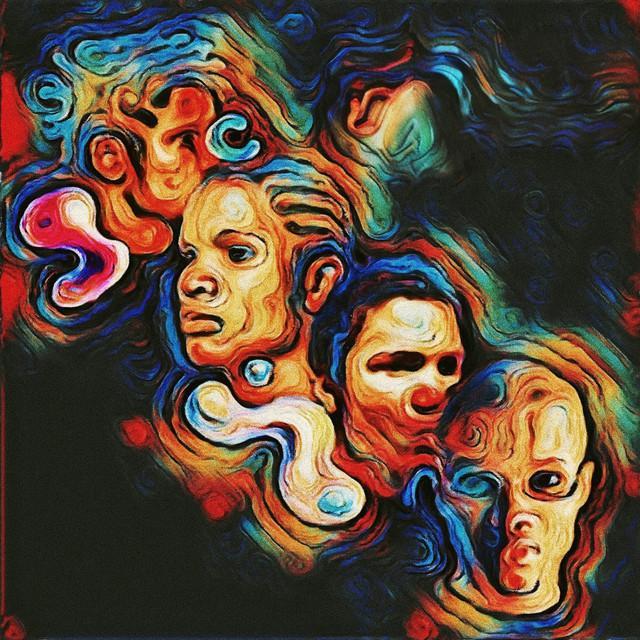
Garage Rooftop by Q: A Safe Place Above the Storm
Why This Song Feels Small and Huge at Once
The meaning of Garage Rooftop Q centers on emotional survival. The song describes a person stuck in inner chaos who finds relief through another person’s steady presence. Its images are simple, but they carry a lot of weight: war, storms, tears, darkness, moonlight, and a rooftop that becomes a place of calm.
"Garage Rooftop" - Q
Been in the middle
Of a war we
Loading lyrics...
Unable to load lyrics
We're unable to display the lyrics at this time. Please try again later.
Factually, the song is credited to Q and Steven Marsden. Beyond that, there is limited public background available, so the strongest evidence comes from the lyrics themselves. That makes this a song where close reading matters more than outside lore.

Watch the official Garage Rooftop
music video
At the Core, It Is About Support During Mental Strain
The clearest idea in the song is that the speaker feels overwhelmed and cannot cope alone. They describe being in the middle of a conflict they could never handle
. That line turns emotional stress into something physical and dangerous, like being trapped inside a battle zone.
Later, the song makes the theme even more direct with feel anxiety
and the line about being in our mental
. Those phrases point toward mental strain, not just bad luck or a rough week. The speaker is naming an internal state that keeps pressing on them until another person changes the emotional weather.
This is why the repeated idea I got you
matters so much. It is not romantic in a flashy way. It sounds mutual, plain, and reliable. The song suggests healing starts when two people hold each other up.
The Rooftop Image Is the Song’s Big Symbol
A place above ordinary pain
The rooftop is the key image in the song. More specifically, it is a garage rooftop, which feels suburban, ordinary, and unglamorous. That detail matters. The song does not imagine escape in some perfect fantasy world. It finds relief in a familiar place made meaningful by companionship.
When the song describes dancin' on the rooftop
, it turns that space into a temporary shelter. They are still near the world below, but no longer crushed by it. The image suggests elevation, perspective, and a break from pressure.
Darkness that does not feel hopeless
The setting is also at night, with the lights off and the moon out. Usually darkness in pop writing signals fear. Here, moonlight softens the mood. It creates privacy and quiet rather than danger. In that space, the other person take the tears out
, which is a simple but strong way of saying they ease pain.
Dancin' on the rooftop
With the lights off
With the moonlight
This short passage works like the emotional center of the track. It shows joy, intimacy, and relief all at once.
How the Verses Build a Story of Crisis and Rescue
The song’s structure is repetitive, but that repetition fits the message. Anxiety often feels cyclical. Storms return. Fear returns. The mind loops. The lyrics mirror that pattern by circling the same images again and again.
A simple timeline looks like this:
- The speaker starts in conflict, comparing life to a war.
- That conflict becomes a
crazy storm
, which widens the sense of danger. - They admit to crying, falling, and living with anxiety.
- Relief arrives when they find the other person on the garage rooftop.
- The cycle repeats, but now there is a shared refuge inside it.
That is why the song feels both fragile and reassuring. The pain does not vanish forever. Instead, connection gives the speaker a way to bear it.
What the Other Person Represents
One reading is straightforward: the “you” is a romantic partner or close loved one. The song’s language of mutual care supports that. The repeated pairing of “I” and “you” makes the relationship feel balanced, not one-sided.
Interpretation: The “you” could also represent an inner anchor, like hope, faith, or the calmer self the speaker reaches in moments of crisis. The rooftop then becomes a mental space rather than a literal place. This reading fits the vague but powerful phrase about being in our mental
, which blends personal struggle with shared emotional experience.
Either way, the song frames strength as steadiness, not dominance. The other person never appears as a superhero. They simply do not back down. That quiet resilience is the point.
How the Sound Likely Supports the Meaning
With limited public production notes, any sonic reading should stay careful. Still, the lyric design suggests a song built on repetition, a strong hook, and a dreamy atmosphere rather than dense storytelling. That would match the rooftop image well.
Interpretation: If the production leans soft, spacious, or nocturnal, that would reinforce the contrast between inner turmoil and outer calm. Repeated melodic lines would also make sense because they can mimic anxious thought while letting the chorus feel like release.
The title image also hints at scale: a garage rooftop is not a massive skyline moment. It is personal. So the most fitting production would be intimate rather than grand, allowing the emotional closeness to stay front and center.
Why the Song Connects
Part of the meaning of Garage Rooftop Q is its refusal to overcomplicate pain. The song uses plain images and repeated phrases, which makes the feeling easy to grasp. Many listeners know what it is like to feel trapped in their own head and then feel briefly saved by one person, one night, or one small place.
That is the song’s real power. It says comfort does not need to fix everything. Sometimes it just needs to lift someone above the storm for a moment so they can breathe again.
Final Take on the Meaning of Garage Rooftop Q
Garage Rooftop is best understood as a song about anxiety, emotional overload, and the healing force of shared presence. Its rooftop stands for a simple refuge, and its night setting turns darkness into safety instead of fear.
Interpretation disclaimer: This reading is based mainly on the lyrics and available songwriting credit information, so some meanings remain open to listener interpretation.







