Why 'LFT' by Quadron Loves a Little Chaos
The meaning of LFT Quadron comes into focus fast: this is a song about the rush of nightlife, the pleasure of being a little messy, and the way trouble can feel almost magnetic when youth, friendship, and desire are all in the room.
"LFT" - Quadron
We are all supposed to meet by the bridge
I'm not not the only one who's late
Loading lyrics...
Unable to load lyrics
We're unable to display the lyrics at this time. Please try again later.
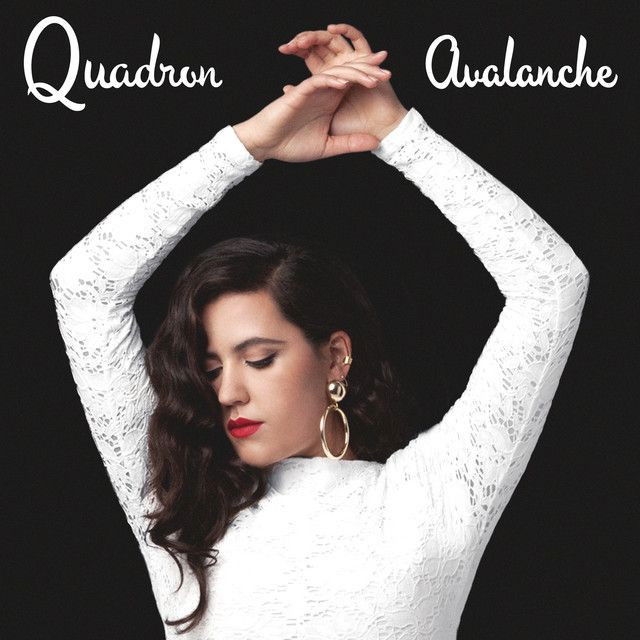
Quadron were the Danish duo of singer Coco O. and producer Robin Hannibal, and they described their style as electronic soul. Their second album Avalanche arrived in 2013, and "LFT" served as an early statement of that record’s sleek, emotional world. Factually, the duo consisted of Coco O. and Hannibal, and Avalanche was released in 2013, with "LFT" reaching Danish airplay success that year.
The Night Starts Before the Party Does
At the lyric level, the song opens in motion. The narrator is already late, already flustered, and already half inside the night. Details like heels, a ringing phone, and forgotten wine create a scene that feels real and slightly comic.
That matters because the song does not present nightlife as polished glamour. It presents it as human. When the narrator mentions black tight again tonight
, the line suggests ritual: they have done this before, and they know the uniform of the evening. The mess is part of the appeal.
Interpretation: the song treats preparation itself as a threshold. Before anyone arrives, the speaker is already choosing freedom over order.

Watch the official LFT
music video
Where the "Muses" Hide
One of the song’s key ideas appears in the repeated question about riding to where the muses hide. In simple terms, the night out is not just social. It is creative, even spiritual.
When the lyric asks where the muses hide
, it links nightlife with inspiration. The city becomes a place where identity loosens up, routine fades, and people become more open to feeling. This is why the song sounds bigger than a casual party anthem. It is really about chasing aliveness.
There is also a strong sense of movement. Riding, meeting, scanning rooms, and losing track of time all make the song feel like a drifting sequence of snapshots. That structure mirrors a long night itself, where memory comes in flashes instead of straight lines.
The Chorus Turns Restlessness Into a Promise
The chorus is where the meaning of LFT Quadron becomes most clear. The singer says they never want to sleep, jokes about sore feet, and imagines still living this way when older. Those lines make the song more than a one-night story.
I never wanna go to sleep
When I grow old I'll still be me
This brief moment shows the emotional center: they do not want the night to end because the night represents a version of the self that feels awake, social, and fully charged.
Then comes the hook, looking for trouble
. Paraphrased, the narrator is admitting that they are drawn to risk. But the song’s tone keeps that idea playful rather than tragic. Trouble here means spontaneity, flirtation, and the refusal to become dull.
Messy Details, Honest Meaning
Some of the best lines in "LFT" are the least glamorous. The narrator notices lipstick on their teeth and admits to forgetting their name and street. These are funny, slightly embarrassing images, but they serve a purpose.
They show that the song values experience over control. A perfect night would be boring in this universe. The small humiliations prove that the speaker is really there, really living it.
Interpretation: there may also be a quiet critique of daytime respectability. The line about tomorrow not standing a chance suggests that ordinary schedules, rules, and responsibilities lose their power once the night takes over.
Love, Risk, and the Group Around Them
Late in the song, the meaning widens. The lyric wonders if love itself might be looking for trouble
. That shift is important.
Until then, trouble sounds like nightlife energy. After that, it begins to sound emotional too. The song suggests that attraction often involves uncertainty, bad decisions, and the thrill of stepping into something unstable. In that sense, "LFT" is not only about partying. It is about why people keep choosing intensity.
The closing list of women’s names adds warmth. Instead of ending in private romance, the song lands in community. Friendship becomes part of the thrill. The night is not just one person escaping boredom; it is a shared world built by a group.
How Quadron’s Sound Deepens the Story
Production matters a lot here. Reviews of Avalanche noted Quadron’s highly polished style, and Pitchfork described "LFT" as opening with cautious horns, careful guitar, and flamboyant strings. That combination helps explain why the song feels both elegant and reckless.
The arrangement does not sound chaotic, even when the lyrics do. Instead, Robin Hannibal’s controlled production frames the narrator’s impulsive mood inside something stylish and smooth. That tension is the point: the character is chasing disorder, but the music makes it feel seductive.
Coco O.’s performance also shapes the meaning. They sing with lightness and confidence, which keeps the song from sounding self-destructive. Even when the lyrics hint at losing oneself, the vocal delivery suggests pleasure, wit, and self-awareness.
Why the Song Still Works
Part of the meaning of LFT Quadron is timeless. Many songs about going out are really about fear of growing ordinary. "LFT" understands that perfectly. It turns lateness, lipstick, bikes, friends, and sore feet into symbols of a self that refuses to be pinned down.
That is why the song still feels fresh. It is not celebrating chaos for its own sake. It is celebrating the search for vitality inside chaos.
Final takeaway
"LFT" is best heard as a sleek, soulful portrait of nightlife as freedom, inspiration, and chosen trouble. Interpretation: its deepest idea is that love, art, and youth all ask for the same thing—a willingness to step into uncertainty.
Disclaimer: This interpretation is based on the lyrics, performance, and available context, and other listeners may reasonably hear the song differently.








