Why 'I Want to Break Free' Still Hits Hard
The meaning of I Want to Break Free Queen starts with a simple idea: leaving something that no longer feels healthy. But Queen make that idea more human than heroic. This is not a victory lap. It is a push-and-pull song about freedom, love, doubt, and the cost of walking away.
"I Want To Break Free" - Queen
I want to break free
I want to break free from your lies
Loading lyrics...
Unable to load lyrics
We're unable to display the lyrics at this time. Please try again later.
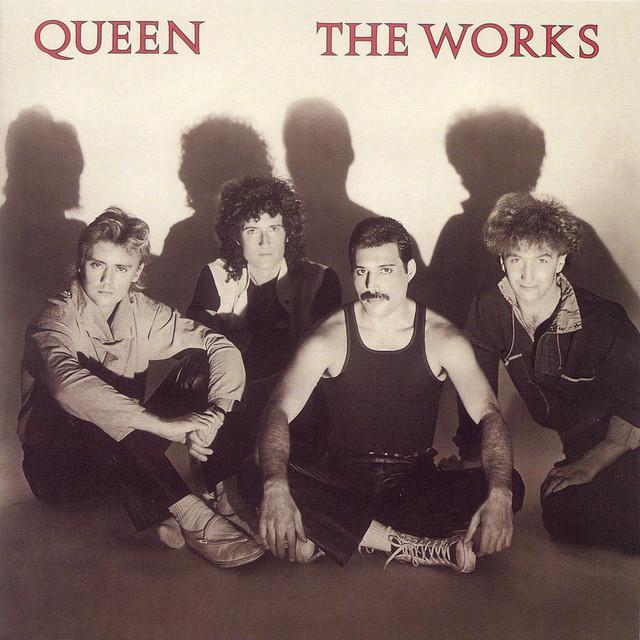
Released in 1984 on The Works, the track was written by bassist John Deacon, a fact widely noted in Queen’s official song credits and band histories. It also became one of the group’s biggest international singles, even as its famous video had a more mixed reception in the United States than in the UK.
A Breakup Song That Refuses to Be Simple
On the surface, the song sounds like a direct breakup statement. The speaker says they want out of a relationship shaped by deception and emotional imbalance. Early lines point to frustration with someone who seems smug or controlling, summed up in the short phrase from your lies
.
Still, the song does not stay in anger for long. That is what makes it more interesting than a basic farewell anthem. Almost immediately, the speaker admits vulnerability, even saying fallen in love
. That switch changes the whole emotional frame.
Instead of hearing a clean escape, listeners hear a person trying to separate freedom from attachment. They know they need to leave, but they are not emotionally detached yet.

Watch the official I Want To Break Free
music video
The Real Tension Is Freedom Versus Dependence
The heart of the song is not rage. It is conflict. The speaker believes freedom is necessary, but they also fear what freedom will feel like in daily life.
That tension appears when the song moves from bold resolve to uncertainty. They insist on leaving, yet later confess they cannot get used to life without the other person nearby. In plain terms, the song says that choosing independence can still hurt.
One of its smartest turns is the contrast between the big hook I want to break free
and the quieter admission living without you
. Put together, those ideas show why the song lasts. They turn liberation into something emotionally complicated.
How the Story Unfolds Line by Line
The narrative moves in clear stages:
- They identify the problem. The relationship feels dishonest and suffocating.
- They admit real feeling. This is not a casual connection they can shrug off.
- They prepare to leave. The image of walking out the door makes the decision physical and final.
- They confront the aftermath. Independence sounds necessary, but loneliness follows close behind.
That structure gives the song emotional credibility. It does not pretend that breaking away erases love. It suggests the opposite: sometimes the hardest relationships to leave are the ones that still feel real.
Why the Chorus Feels So Universal
The chorus works because it is broad enough to fit many kinds of pressure. In a literal reading, it is about ending a romance. Interpretation: in a wider sense, it can also describe escaping control, expectation, or a version of the self that no longer fits.
That is why the repeated hook lands so hard. The words are plain, but the repetition turns them into a need rather than just a thought. Each return sounds less like a slogan and more like someone trying to convince themselves they can actually follow through.
I've got to break freeGod knows I want to break free
Even in that brief moment, the wording suggests urgency and desperation, not cool confidence.
The Sound Makes Freedom Feel Mechanical and Human
Part of the meaning of I Want to Break Free Queen comes from the production. The track is a rock song, but it leans heavily on synthesizer, giving it a sleek, modern surface. That polished sound fits the theme well: the arrangement feels controlled and steady, while the vocal carries the emotional strain.
The beat does not rush. It moves with purpose. That matters because the song is not about a sudden explosion; it is about a decision building over time. Freddie Mercury’s performance keeps the message grounded. He sings with force, but not with wild aggression.
This balance between electronic neatness and emotional openness is a major reason the track remains so effective. The music says, in effect, that the speaker is trying to hold themselves together while making a painful choice.
Queen’s Context Changes the Way People Hear It
Context also shapes the song’s legacy. Queen released it during a period when they were mixing arena rock with strong pop and synth influences on The Works. The music video, directed as a parody of British soap operas, became iconic for the band’s playful style.
In Britain, that humor was easy to recognize. In the U.S., the clip was less well understood at the time, which likely affected the song’s reception. Over the years, though, the track grew beyond that moment and became widely embraced as an anthem of personal release.
Interpretation: because the lyric is so open, many listeners have heard it as a broader freedom song, not just a breakup story. That does not erase its original romantic setting, but it helps explain its unusual cultural reach.
The Lasting Meaning of the Song
The best way to understand this track is to hear both sides at once. It is about leaving, but also grieving. It is about self-respect, but also dependence. It is about saying no to one person while trying to rebuild a life alone.
That is the emotional truth inside the meaning of I Want to Break Free Queen: freedom is necessary, but it is rarely painless. Queen turn that tension into a pop song that feels huge, honest, and deeply human.
Disclaimer: This article offers interpretation alongside basic song facts. Meanings can vary by listener, and Queen did not reduce the song to only one fixed explanation.








