
Why 'I Know Where I've Been' Still Moves Us
The meaning of I Know Where I've Been Queen Latifah comes through in one clear idea: history is not a weight to escape, but a source of strength. In their version of the song, Queen Latifah turns a reflective ballad into a statement about endurance, dignity, and collective memory. It is a song about pain, but even more than that, it is a song about direction.
"I Know Where I've Been" - Queen Latifah
Though the night is black as my skin
There's a light burning bright showing me the way
Loading lyrics...
Unable to load lyrics
We're unable to display the lyrics at this time. Please try again later.
Best known from Hairspray, the song was written by Marc Shaiman and Scott Wittman, the team behind the musical's score. In the stage and film world, it stands as one of the story's most serious moments, connecting the civil rights era to a broader fight for recognition and equality. Queen Latifah's performance helped make that message feel grounded, proud, and deeply human.
A Song About Remembering to Keep Going
At its core, the song says that knowing the past gives a person power in the present. The title line is not nostalgia. It is a declaration. When the singer says I know where I've been
, they are not stuck in old wounds. They are using memory as proof that survival is possible.
That is why the lyrics balance hurt and hope so carefully. The opening image, light in the darkness
, places hope right beside suffering. The darkness is real, and so is the pain behind it, but the song refuses to let hardship have the final word.
Interpretation: This is why the song feels bigger than one person. Even when sung in the first person, it speaks like a communal voice. It sounds like one individual carrying the experience of many.
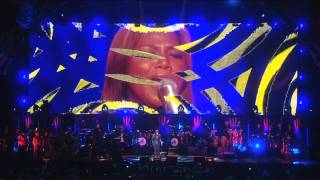
Watch the official I Know Where I've Been
music video
The Civil Rights Echo in the Lyrics
The song's language strongly suggests a Black historical journey in America. One of its sharpest lines, black as my skin
, makes race impossible to ignore. The lyric connects physical darkness to the reality of racism, while also rejecting shame. Instead of hiding identity, the song names it and keeps moving.
Later, the road image becomes central. The singer describes a long path marked by sacrifice and loss. They mention people lost along the way, then insist that the struggle still points toward reward. That idea mirrors civil rights rhetoric: progress costs something, but the cost does not make the goal less worthy.
There's a road we must travel
There's a promise we must make
This brief passage captures the song's moral center. The road stands for history and action. The promise stands for responsibility. In other words, the future will not arrive on its own.
How Queen Latifah's Voice Changes the Meaning
Queen Latifah did not write the song, but their performance shapes how listeners receive it. They have long moved between rap, soul, jazz, and acting, bringing authority and emotional control to songs that deal with identity and resilience. That broader career context matters because they often project steadiness rather than fragility.
In this performance, that steadiness keeps the song from sounding sentimental. Instead, it sounds earned. When they lean into phrases about struggle, pride, and faith, the delivery suggests someone who understands the cost of every word.
Factual context: Shaiman and Wittman wrote the song for Hairspray, and Queen Latifah performed as Motormouth Maybelle in the 2007 film adaptation. Those credits are widely documented in film and soundtrack listings, including IMDb and AllMusic.
Why the Music Feels Like Testimony
The production supports the message with a gospel-leaning build. Even though the song sits in a jazz-informed vocal space, it also borrows from Broadway and soul. The arrangement starts with room for the words to land, then grows in force, making the emotional journey feel public rather than private.
That rise matters. A quiet opening invites reflection, but the swelling arrangement turns memory into witness. By the end, the song does not feel like a secret being confessed. It feels like a truth being announced.
The repeated movement from soft verses to fuller backing also mirrors the lyric's message. The singer begins with inward reflection, hearing a cry from within, then expands toward community, future, and action. The sound makes that shift easy to hear.
Key Images That Carry the Message
Several motifs hold the song together:
- Light and darkness: hope living beside suffering.
- The road: a long social and personal journey.
- Dream and future: progress that is not complete yet.
- Pride in the heart: inner dignity as fuel for action.
One of the most important lines is just to sit still
. The song treats passivity as moral failure. That gives the message urgency. Remembering history is not enough by itself; memory must lead to movement.
A Personal Anthem and a Collective One
The meaning of I Know Where I've Been Queen Latifah can be read in two ways at once. First, it is a collective anthem tied to Black struggle, perseverance, and hope in America. Second, it works as a personal song for anyone who has suffered and found purpose through survival.
Those readings do not compete. They strengthen each other. The more specific the history feels, the more universal the emotion becomes.
Why the Song Endures
The song lasts because it never promises easy victory. It admits there is a struggle
still ahead. Yet it also insists that identity, faith, and memory can carry people forward. That honesty is what gives it staying power.
For many listeners, the song offers comfort without denial. It says the past was hard, the future is unfinished, and hope is still rational. That is a rare balance.
Disclaimer: This interpretation is based on the lyrics, performance, and public context around the song. Like all art, listeners may hear meanings that differ from this reading.








