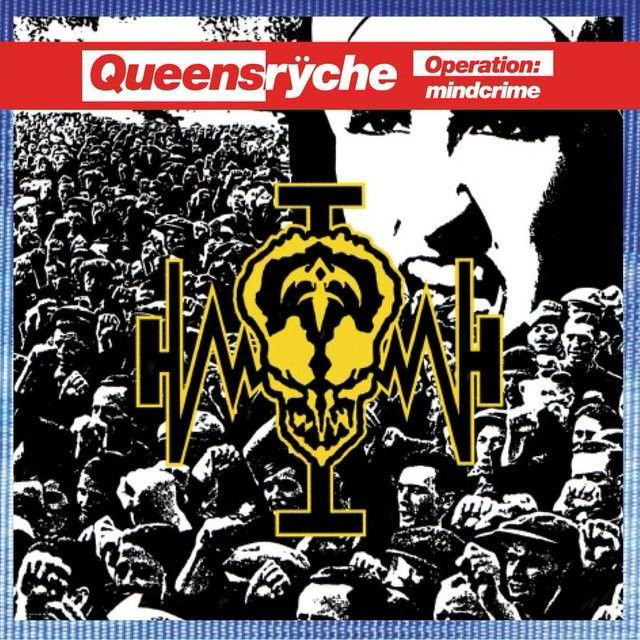
Why 'Operation: Mindcrime' Feels So Dangerous
The meaning of Operation: Mindcrime Queensrÿche starts with a trap. The song is not just about crime or rebellion. It is about how a broken person can be recruited, controlled, and turned into a weapon by someone who promises purpose.
"Operation: Mindcrime" - Queensrÿche
(Mindcrime)
It just takes a minute and you'll feel no pain
Loading lyrics...
Unable to load lyrics
We're unable to display the lyrics at this time. Please try again later.
As part of Queensrÿche’s 1988 concept album Operation: Mindcrime, the track introduces Nikki, the story’s damaged central figure, and Dr. X, the manipulative voice who pulls him deeper into violence. The album is widely recognized as a progressive metal concept record and a major breakthrough for the band, reaching No. 50 on the Billboard 200 and later going Platinum in the United States, according to the album’s documented release history and chart data.
The Song’s Core Idea: Control Disguised as Salvation
At its heart, this song shows coercion dressed up as help. Dr. X talks like a healer, but everything he offers is really about power. Early lines frame Nikki as desperate and directionless, someone easy to exploit.
When the song mentions feel no pain
and show you the cure
, it presents relief as bait. The promise is not true healing. It is sedation, obedience, and dependence.
Interpretation: The song’s real villain is not only Dr. X as a person, but the whole system of manipulation he represents. He finds people at their weakest and gives them identity only if they surrender their will.
Watch the official Operation: Mindcrime
music video
Nikki and Dr. X: A Predator Finds His Target
The narrator’s setup is blunt. Nikki is portrayed as alienated, addicted, and cut off from ordinary life. That matters because the song is less interested in random evil than in recruitment.
Dr. X sees that Nikki has nothing more to lose
. That phrase is central to the song’s meaning. It shows how control often begins where hopelessness already exists.
Rather than inspire Nikki, Dr. X programs him. The title phrase Operation: Mindcrime
sounds like both a secret mission and a mental procedure. It turns a human being into a project.
A Quick Narrative Timeline
- Nikki is in pain and vulnerable.
- Dr. X offers a “cure” and certainty.
- Nikki is given a role inside an underground cause.
- That role becomes murder and obedience.
- The revolution begins to look more like exploitation than justice.
What the Chorus Really Means
The chorus sounds huge, almost triumphant, but that is part of the trick. Phrases like underground revolution
make the mission sound noble, urgent, even heroic.
But the details tell a darker story. There is nothing to sign
, which suggests no consent, no accountability, and no real freedom. Nikki is not joining a fair movement. He is being absorbed into a machine.
Interpretation: Queensrÿche may be showing how radical language can glamorize abuse. Big slogans hide what is actually happening to the individual underneath.
The Album Context Sharpens the Meaning
This song becomes richer when heard inside the full album. Operation: Mindcrime, released on May 3, 1988, is a rock-opera-style concept album about Nikki, a heroin addict manipulated into becoming an assassin for Dr. X. That larger story gives this track the job of activation: it is the moment where the conditioning becomes clear.
The song was written by Chris DeGarmo, Geoff Tate, and Michael Wilton, and the album was produced by Peter Collins and Queensrÿche. Research on the album’s creation also notes that Geoff Tate drew inspiration from political extremism and from seeing lives damaged by hard drug use. Those roots help explain why the song blends street-level addiction with larger social corruption.
How the Music Makes the Threat Real
Musically, the track sounds tight, cold, and efficient. Queensrÿche were working in a progressive metal lane, but they never lose the hook. The guitars hit with precision, the drums keep the pressure high, and Geoff Tate’s vocal performance shifts between command and menace.
That matters for interpretation. The song does not sound messy or chaotic, even though the subject is psychological collapse. Instead, it sounds controlled. That polished force mirrors Dr. X himself: calm, persuasive, and dangerous.
The album was recorded in digital format with a Sony 24-track system, and that clean, sharp production helps the song feel mechanical in the best way. Michael Kamen’s broader involvement on the album also speaks to its cinematic ambition, even when this specific track leans hardest on metal drive.
Themes Hidden Inside the Story
Several themes run through the song at once:
- Addiction as vulnerability: Nikki can be ruled because he is already dependent.
- False purpose: Dr. X gives him a mission, but not dignity.
- Political theater: Revolution is used as branding.
- Loss of self: Nikki is valued as a tool, not as a person.
When the song calls him a death machine
, it strips away his humanity. That may be the bleakest line in the track. Nikki is no longer even treated as a believer. He is just equipment.
Why the Song Still Lands
Part of the reason this track still connects is that its warning remains familiar. People are still targeted when they feel isolated, angry, or empty. Charismatic figures still promise simple answers, belonging, and a clean enemy.
So the meaning of Operation: Mindcrime Queensrÿche is larger than its plot. It is about the moment pain becomes a doorway for control. Nikki thinks he is entering a cause. In reality, he is surrendering his mind.
That is why the song feels so unsettling. It knows that manipulation rarely arrives looking evil. It arrives sounding helpful, focused, and absolutely sure of itself.
Final Take
Queensrÿche built this song as the ignition point of a much bigger tragedy. On the surface, it is about a man recruited into a violent underground mission. Underneath, it is about how addiction, despair, and ideology can combine to erase free will.
That is the lasting power of the track: it turns a metal anthem into a study of psychological capture.
Disclaimer: This interpretation separates documented album context from critical reading. Like many concept songs, “Operation: Mindcrime” can support more than one valid meaning.







