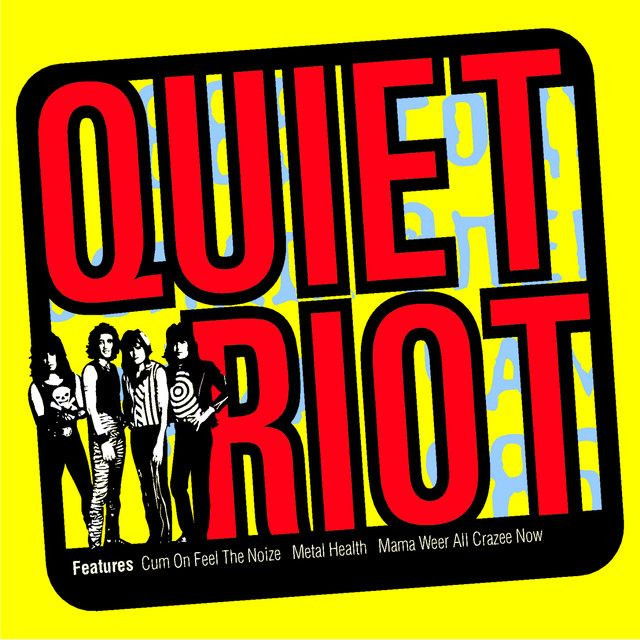
What 'Metal Health' Really Means
Quiet Riot turned a joke, a slogan, and a battle cry into one of the songs that helped heavy metal break into the U.S. mainstream.
"Metal Health" - Quiet Riot
Provided by LyricFindWell I'm an axegrinder Piledriver
Mother says that I never never mind her
Got no brains I'm insaneLoading...Loading lyrics...
Unable to load lyrics
We're unable to display the lyrics at this time. Please try again later.
Why This Anthem Still Hits Hard
When people look up the meaning of Metal Health Quiet Riot, they usually hear one thing first: noise. The song is loud, simple, and made to move a crowd. But under that surface, it is also about identity.
Quiet Riot use exaggerated images of being troublesome, unwanted, and impossible to control. The singer presents himself as the kind of person adults dismiss, then flips that judgment into power. Instead of feeling ashamed, they turn it into a badge of honor.
Factually, Metal Health
was released as a single in 1983 from the album of the same name, produced by Spencer Proffer. It became one of the songs that helped define Quiet Riot’s breakthrough era. The single reached No. 31 on the Billboard Hot 100, and the album later became the first metal LP to top the Billboard 200, according to Wikipedia and Songfacts.

Watch the official Metal Health
music video
The Core Meaning Behind the Chaos
At its heart, the song celebrates heavy metal as release. The title is a pun on “mental health,” but the joke works in two directions. The chorus says metal can drive you mad
, yet later claims it can cure your crazy
.
That contradiction is the whole point. Interpretation: Quiet Riot are saying metal looks dangerous from the outside, but for fans it feels healing. What others call madness, the band treats as freedom, excitement, and belonging.
The verses support that reading. The narrator lists insults from authority figures: a mother who is ignored, a teacher who sees them as a problem, and a world that thinks they are too much. Instead of correcting that image, the song amplifies it. They become larger, louder, and prouder.
How the Verses Build a Rebel Character
The opening lines sketch a cartoon version of a metal outsider. Phrases like one big pain
and mouth like an alligator
do not ask for sympathy. They present someone rough, obnoxious, and impossible to tame.
That matters because the song is not trying to tell a realistic story. It is building a stage persona. Heavy metal often turns alienation into theater, and Quiet Riot lean into that approach. The singer sounds like every complaint ever made about loud rock fans, then wears those complaints like armor.
A key line is join the pack
. That shifts the song from solo bragging to group identity. The message is no longer just “look at me.” It becomes “come with us.” This is where the meaning widens from personal rebellion to shared culture.
The Chorus as Ritual, Not Just a Hook
The famous refrain works because it is physical. Bang your head
is both lyric and instruction. Anyone hearing it in a club, arena, or car instantly understands the assignment.
Interpretation: The chorus turns metal into a communal ritual. Headbanging is not just movement; it is proof that the listener belongs. When the band says metal will overwhelm them, they mean it as pleasure, not warning.
There is also a sly joke in the pseudo-medical language. The song pretends metal is both disease and cure. That playful contradiction lets Quiet Riot mock outsiders who saw heavy music as corrupting, while also admitting that it can feel overwhelming in the best way.
What the Sound Adds to the Lyrics
The production is crucial to the meaning of Metal Health Quiet Riot. Frankie Banali told Songfacts that the band wanted a simple, AC/DC-inspired groove and spent time getting the tempo right. His point was that the song needed to dig into a steady feel rather than just rush ahead.
That choice explains why the track sounds heavy but accessible. The riff is blunt and memorable. The beat is locked in. The gang-style backing vocals make the chorus feel bigger than one person. Kevin DuBrow’s vocal is sharp and cocky, which helps sell the song’s mix of humor and threat.
Even the structure supports the theme. The song keeps returning to the chant-like hook, almost like a rally cry. It is not trying to be subtle. It is trying to be contagious.
Video, Image, and 1980s Context
The music video pushed the meaning even further. According to Songfacts and Wikipedia, it was a low-budget clip filmed with student extras and showed a masked man breaking out of an asylum before being revealed as DuBrow. That visual tied the song’s jokes about madness to a strong pop image.
In 1983 and 1984, MTV mattered. Quiet Riot’s mix of metal heaviness and pop-ready hooks helped the genre reach a wider American audience. The song’s success, along with Cum On Feel the Noize
, made the band one of the key crossover acts of the period.
One More Layer: Defiance as Invitation
There is one lyric idea that captures the song’s deeper pull: once they enter this world, there is commitment. The line about there being no way back, later used as the title of the band’s 2015 documentary, suggests more than rowdy fun.
Interpretation: Metal here is not just a style of music. It is a tribe. Once fans accept that identity, they stop chasing approval from teachers, parents, or tastemakers. They choose volume, solidarity, and attitude.
Final Take on Quiet Riot's Message
So, the meaning of Metal Health Quiet Riot is not really about illness. It is about turning stigma into celebration. Quiet Riot take every fear people had about metal—noise, chaos, bad behavior—and recast it as energy, humor, and belonging.
That is why the song lasts. It gives listeners permission to be too loud, too much, and completely unbothered by anyone who does not get it.
Disclaimer: Song meaning is always part fact, part interpretation. This reading is based on the lyrics, the band’s known context, and documented commentary around the song.








