Why “Good for You” Hits So Hard
The meaning of Good for You Rachel Bay Jones, Kristolyn Lloyd, Will Roland, Ben Platt comes down to one sharp idea: success can look ugly when it is built on hurt. In Dear Evan Hansen, this song is the moment when private resentment turns public. The title sounds warm, but the song makes it sting.
"Good for You" - Rachel Bay Jones, Kristolyn Lloyd, Will Roland, Ben Platt
And you jumped the fence to the other side
Is it good?
Loading lyrics...
Unable to load lyrics
We're unable to display the lyrics at this time. Please try again later.
Rather than celebrating achievement, the number exposes what happens when one person moves toward a dream while the people around them feel abandoned, used, or erased. That tension is what gives the song its punch.
The Real Target of the Song’s Anger
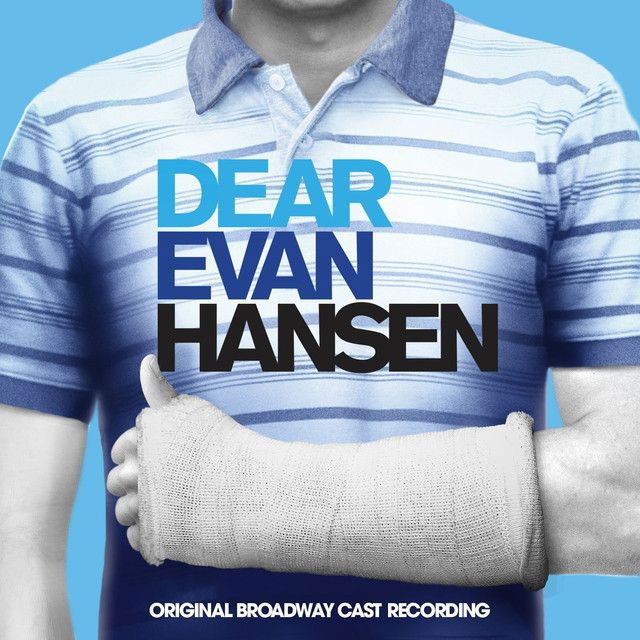
Factually, “Good for You” appears in the stage musical Dear Evan Hansen, with music and lyrics by Benj Pasek and Justin Paul. The original Broadway cast recording features Rachel Bay Jones, Kristolyn Lloyd, Will Roland, and Ben Platt. In the show’s story, Heidi, Alana, and Jared confront Evan after his lie-driven rise begins to damage their relationships.
The song’s core message is not just “they are mad at him.” It is more personal than that. Each singer believes Evan found “the grass is greener” somewhere else and decided they were no longer worth his time.
That phrase matters because it frames Evan as someone who crossed a line chasing a better life. The complaint is not simply that he changed. It is that he changed in a way that made others feel disposable.

Watch the official Good for You
music video
Three Voices, Three Kinds of Hurt
One reason the song lands so well is that it is not a single complaint. It stacks three emotional perspectives at once.
Heidi’s wound: being left behind
Heidi’s part carries the pain of a parent who has tried hard and still feels judged as “not enough.” Her anger sounds defensive because it hides guilt. She hears Evan’s choices as proof that what she gave him could never compete with what he wanted.
Alana’s wound: being used
Alana brings a different energy. She hears strategy and performance in Evan’s behavior, almost as if he will “play who you need to play” to keep moving ahead. Her lines sharpen the song’s theme of ambition without loyalty.
Jared’s wound: friendship with conditions
Jared adds the bitterness of a friend who feels helpful only when useful. The line about being able to “cut me loose” gets at that fear directly. He thinks Evan kept him around until he no longer served a purpose.
Together, these views turn the song into a group reckoning.
How the Chorus Turns Praise Into Sarcasm
The chorus repeats Good for you
, but the phrase is clearly not praise. The song uses ordinary congratulation as a weapon. That is why the hook is so memorable: everyone knows the phrase, and everyone can hear when it is said through clenched teeth.
Interpretation: The repeated hook suggests that Evan got what he wanted, but the win is morally empty. The others are not impressed by his new status or confidence. They hear it as a trade: his dream in exchange for their trust.
This is why lines about a “dream come true” and a “life so perfect” sound harsh rather than happy. The song keeps asking whether the prize was worth the cost.
The Story Beat Where the Musical Stops Protecting Evan
Narratively, “Good for You” is crucial because it removes the cushion around the main character. Earlier, Evan’s lie often feels tied to loneliness, grief, and social panic. This song does not erase that context, but it stops excusing him.
A simple timeline helps:
- Evan has been pulled into a new, more rewarding version of himself.
- The people close to him start seeing the distance.
- They confront him all at once.
- The story shifts from sympathy to accountability.
That shift is why the song feels like a breaking point. It asks whether pain explains harmful behavior, or only partly explains it.
Sound and Staging: Pressure With No Escape
Musically, “Good for You” is built like a trap. The arrangement pushes forward with a tense, driving pulse, and the vocals often overlap instead of gently taking turns. That layering matters because it makes Evan sound surrounded.
The delivery also mirrors panic. Short, pointed phrases create the feel of accusations coming too fast to answer. As the number rises, the emotions stop sounding organized and start sounding overwhelming.
All I need is some time to think
But the boat is about to sink
This brief moment captures the song’s emotional mechanics. Evan wants delay, but the crisis has already gone too far. The sinking image makes the confrontation feel urgent, while later images of cracking rails and bones push that panic into near-physical collapse.
Motifs of Escape, Damage, and Reinvention
Several images connect the whole song.
- Crossing over: Jumping fences suggests choosing a new world and leaving the old one behind.
- Performance: Phrases like
say what you need to say
imply careful self-presentation rather than honesty. - Violence and wreckage: The train and cracking images make guilt feel destructive, not abstract.
- Reinvention: Calling yourself “someone new” raises the question of whether growth is real if it depends on denial.
These motifs support the same central theme: personal transformation can become cruel when it ignores the people who helped build the old self.
A Fair Reading of Evan’s Side
Interpretation: The song is not neutral. It belongs to the people confronting Evan, so it emphasizes their pain. A listener could argue that they do not fully grasp how desperate and unstable he has been.
Still, the number’s power comes from refusing to let suffering erase responsibility. They may not know every detail of his inner life, but they know what his actions felt like from the outside.
Why the Song Still Connects
The meaning of Good for You Rachel Bay Jones, Kristolyn Lloyd, Will Roland, Ben Platt lasts because it speaks to a common fear: being dropped when someone finds a better option. Its sarcasm, speed, and emotional pileup make that fear impossible to miss.
In the world of Dear Evan Hansen, the song is a wake-up call. More broadly, it is about what ambition, self-protection, and reinvention can cost.
Disclaimer: This interpretation is based on the song’s lyrics, performance context, and its role in Dear Evan Hansen*. Meaning can vary by listener and production.*







