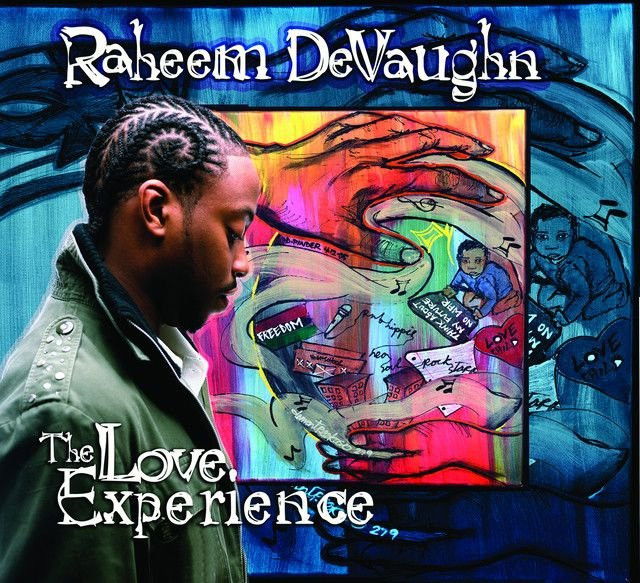
Why Raheem DeVaughn’s “Who” Still Hits
Raheem DeVaughn built much of their reputation on grown, emotionally rich R&B, but the meaning of Who Raheem DeVaughn reaches beyond romance. This song sounds like a public question mark. Instead of celebrating love, it asks what happens when people stop caring, stop leading, and stop paying attention to those in need.
"Who" - Raheem DeVaughn
[Verse 1:]
Ain't it about time that we start livin this life by leadin as examples. (yeah) Before this world that exists ends up rottin to the core by one bad apple.(umm) From my block to Bancock, it's a mighty big world much further than the eye can see.(yeah) That's no excuse for you and I to think what if things still don't afect you and me. The things we don't see. I think we need to recognize.
Loading lyrics...
Unable to load lyrics
We're unable to display the lyrics at this time. Please try again later.
From the opening, the track frames itself as a message. The speaker says they have a vision
, which sets up a song about moral clarity. They are not just singing about private pain. They are trying to wake listeners up.
A Soul Song With a Social Warning
At its core, “Who” is about responsibility. The verses move through a world shaped by selfishness, inequality, and fear. The song argues that social decline does not happen by accident. It grows when people decide that suffering is someone else’s problem.
That idea shows up early with the image of a world rottin to the core
. The phrase is blunt, but the point is simple: bad values spread. The speaker believes people should lead by example before damage becomes normal.
Interpretation: The song’s main target is apathy. It is less interested in blaming one villain than in asking why ordinary people stay passive.

Watch the official Who
music video
How the Verses Build the Message
Each verse widens the song’s lens.
In the first verse, the speaker moves from the local to the global, going from my block to Bancock
. Even with the unusual spelling in the lyric sheet, the meaning is clear: the world is much bigger than one neighborhood. Still, distance is not an excuse. The song rejects the idea that unseen problems do not matter.
In the second verse, “Who” becomes more concrete. It contrasts material comfort with moral emptiness. The image of the crib of ya dreams
suggests success, but that success is immediately challenged by the question of where love and care have gone. The song then places suburb and ghetto side by side, showing that inequality is not abstract. It can live one street apart.
The same verse also asks what happened to the children. That shift matters. Children symbolize both innocence and the future. When the song says society has forgotten them, it implies a deeper failure than simple neglect.
Why the Chorus Matters So Much
The chorus is built almost entirely around one word: who
. That repetition does two jobs at once.
First, it creates urgency. The song does not offer a tidy answer. Instead, it leaves the question hanging, which makes listeners sit with it. Second, it spreads responsibility outward. “Who” can mean leaders, parents, neighbors, artists, believers, or the listener themselves.
Interpretation: The chorus works because it is intentionally unresolved. A song with a neat solution might feel comforting. This one feels demanding.
The Bridge Turns the Question Personal
By the bridge, the song stops sounding broad and starts sounding intimate. It asks who will care, who will change, who will pay the price, and who will live for love. That sequence sharpens the message: concern without action is not enough.
This is where the song’s moral pressure is strongest. It suggests that real change costs something. People may need to give time, comfort, pride, or habits. The repeated questions make that cost feel unavoidable.
Sound, Style, and the Weight of the Message
“Who” sits in the R&B/soul lane, and that matters. Raheem DeVaughn is widely recognized as an R&B and neo-soul artist, a reputation reflected in coverage from sources like AllMusic and Billboard. In that tradition, smooth vocals often carry serious ideas.
The likely effect here is contrast: the arrangement is soulful and accessible, while the lyrics are heavy. That makes the message easier to absorb. Instead of delivering a speech, the song uses melody, repetition, and layered vocals to turn civic concern into something felt in the body.
The call-and-response quality of the chorus also matters. Even on the page, it sounds communal. It feels designed for listeners to answer back, even if they cannot.
Faith, Fear, and Collective Choice
The intro says, Please turn to God
, which gives the song a spiritual frame. But “Who” is not only a religious appeal. It also sounds like a civic and ethical one. The third verse raises the stakes with images of catastrophe and endings, suggesting that human choices shape the future.
That is one of the song’s clearest themes: choices matter before disaster arrives, not after. The line about needing time to breathe hints at overwhelm, but also at reflection. The song wants pause, thought, and then action.
What “Who” Ultimately Means
The meaning of Who Raheem DeVaughn is a challenge to indifference. It asks listeners to notice inequality, protect children, choose compassion, and become examples in a damaged culture. Its biggest idea is simple but hard: if everyone waits for someone else, nothing changes.
That is why the song still lands. It turns a single word into an accusation, a prayer, and a call to lead.
Disclaimer: This interpretation is based on the lyrics provided and publicly available artist context. Meaning can remain open, and different listeners may hear the song differently.








