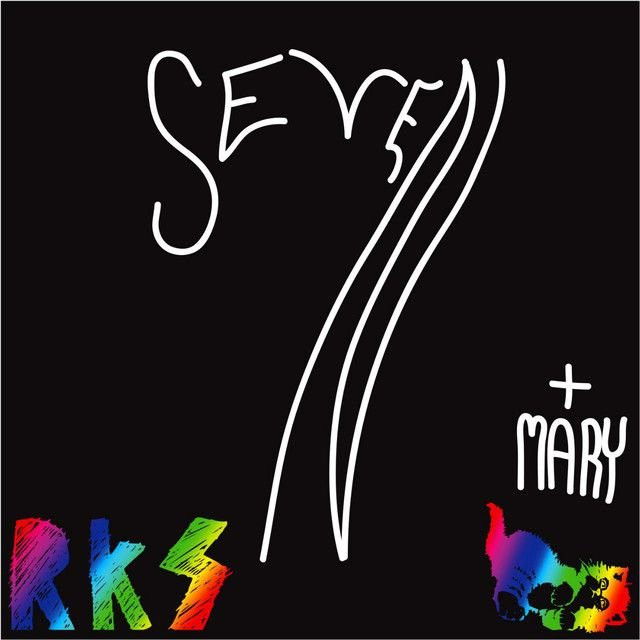
Devil Like Me by Rainbow Kitten Surprise
The meaning of Devil Like Me Rainbow Kitten Surprise comes down to one big idea: the song asks what happens when a person feels labeled as bad, broken, or beyond saving. Instead of treating the devil as a simple villain, Rainbow Kitten Surprise turns that image into a way of talking about shame, loneliness, and the wish to be understood.
"Devil Like Me" - Rainbow Kitten Surprise
What you care to die for?
What you care to die for?
Loading lyrics...
Unable to load lyrics
We're unable to display the lyrics at this time. Please try again later.
The song appeared on Seven + Mary in 2014, and Songfacts notes that it became an early breakthrough for the band. That history matters, because the track already shows what would make them stand out: warm, rootsy instrumentation mixed with emotionally complicated writing.
A Devil Who Sounds Human
At the center of the song is a speaker who does not claim innocence. They sound worn down and fatalistic, especially when they admit they were never fully in control of their own heart and soul. That opening mood sets up the song's deepest question: if someone is flawed, what exactly do others want from them?
The chorus frames that tension with the phrase devil like me
. It does not sound proud. It sounds defensive, even exhausted.
Interpretation: the speaker may be using "devil" as a metaphor for addiction, emotional damage, or a reputation they cannot escape. In all three readings, the point is similar: they feel judged before they can explain themselves.
Watch the official Devil Like Me
music video
Why the Questions Matter So Much
One striking feature of the lyrics is how often they ask questions. Phrases like What you care to die for?
and What you want from a devil like me
make the song feel unsettled. The narrator is not delivering neat answers. They are challenging someone else's moral standards.
That gives the song a confrontational edge, but not a cruel one. They seem less interested in attacking another person than in exposing impossible expectations. If someone has already been cast as dangerous or fallen, how can they ever "exceed expectation"?
That short line is one of the song's sharpest ideas. The speaker says the devil may not even "mean to be evil" but still fails people. That is a powerful way to describe a person who keeps hurting others, even when regret is real.
The Dark Images in the Verses
The verses build meaning through rough, physical details. Snow on a ledge, whiskey, cigarettes, and imagery of harm all create a world that feels cold and unstable. These are not random props. They suggest self-destructive habits, numbness, and a life lived close to the edge.
When the song returns to commands like Shake it out
, it sounds like an attempt to purge something toxic. That could mean grief, intoxication, guilt, or even a relationship that has turned painful.
Interpretation: many listeners hear addiction in these scenes, and that reading is supported by the song's imagery. Songfacts also reports that the official video emphasizes substance abuse, showing a man battling whisky and pills. Even so, the song works on a wider level too. It is about any cycle where a person knows they are causing damage but cannot easily stop.
The Chorus Flips the Devil Story
The song's most memorable twist is that it imagines the devil as vulnerable. The lyric about the devil who cries in his sleep
changes the whole frame. Evil is no longer distant or cartoonish. It becomes emotional, frightened, and strangely human.
The devil don't mean to be evil
He just regrettably forgets
That brief moment gets at the song's emotional core. The narrator is not saying harmful behavior is harmless. They are saying that people who do harm may still carry fear, pain, and self-hatred.
Another subtle move is the shift in pronouns when the song asks whether the devil gets scared if she dies in her dreams
. That change opens the image up. The devil is not one fixed character. It can stand for anyone who feels alien, condemned, or unlike the "good" people around them.
Artist Context Gives the Symbol More Weight
Context strengthens this reading. According to Songfacts, Ela Melo said they grew up in the Dominican Republic, where the devil was a powerful cultural image and a real source of fear. Melo added that they wanted to understand what that symbol meant in America too.
That helps explain why the song's devil feels larger than one person's private struggle. It draws on religion, culture, guilt, and social judgment all at once. Rainbow Kitten Surprise uses a loaded symbol, then strips it of easy certainty.
How the Sound Carries the Meaning
Part of what makes the track hit so hard is its contrast. The arrangement leans on folk-rock and indie textures rather than heavy, gothic drama. The guitars feel earthy and lived-in, while the rhythm moves steadily forward instead of collapsing under the lyrics' darkness.
That matters because the music keeps the song human. It does not turn pain into spectacle. Instead, the band lets the melody and vocal phrasing carry vulnerability, making the devil metaphor feel intimate rather than theatrical.
This balance also helps explain why the song connected so strongly with listeners. As Songfacts notes, it helped put the band on the map and remains a live favorite.
The Most Plausible Reading
The best way to understand the meaning of Devil Like Me Rainbow Kitten Surprise is as a portrait of someone wrestling with guilt and identity. They know they have caused pain. They may be caught in addiction, depression, or a destructive relationship. But they also reject the idea that being flawed makes them inhuman.
That is why the song still feels so strong. It does not ask listeners to excuse harm. It asks them to recognize complexity.
Disclaimer: This interpretation is based on the lyrics, artist context, and public reporting, but song meaning is never fully fixed. Different listeners may hear different truths in it.








