Why 'Since You Been Gone' Hits So Hard
For many listeners, the meaning of Since You Been Gone Rainbow comes down to one sharp contrast: the song sounds huge, catchy, and almost joyful, yet the story inside it is full of breakup shock. Rainbow turned Russ Ballard's song into a hard-rock anthem in 1979, and that tension is the key to why it lasts.
"Since You Been Gone" - Rainbow
Fall to the ground and I wake up
So I get out of bed, put on my shoes and in my head
Loading lyrics...
Unable to load lyrics
We're unable to display the lyrics at this time. Please try again later.
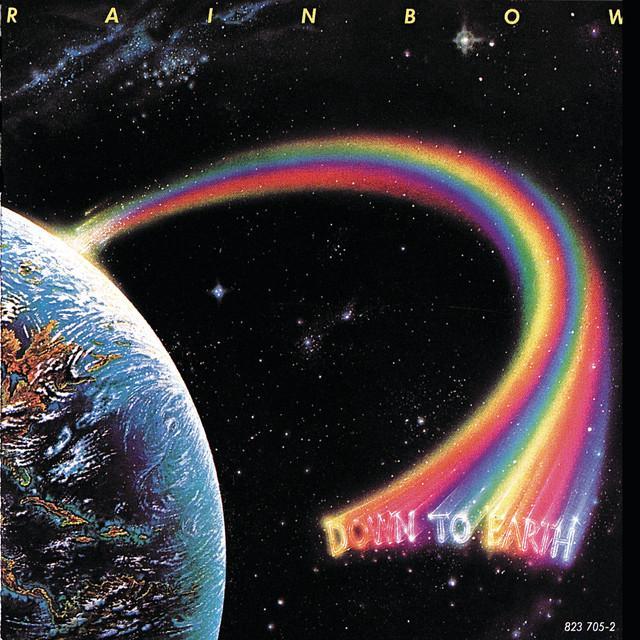
Released on Down to Earth and sung by Graham Bonnet, Rainbow's version became one of the band's biggest hits, reaching No. 6 in the UK and No. 57 in the US, according to Songfacts and Wikipedia. It is easy to sing along with, but the narrator is clearly unraveling.
A Breakup Song About Obsession, Not Closure
At its core, the song is about a person who cannot settle after being left. They are not calmly reflecting. They are stuck in a loop.
The opening image tells that story fast. They keep having the same dream, then jolting awake. When the song points to same old dreams
, it suggests a mind that cannot rest. The breakup is not over emotionally, even if it is over in real life.
That is why the title phrase matters so much. Since you been gone
is not just a time marker. It becomes the cause of everything that follows: sleeplessness, panic, replayed memories, and emotional imbalance. The singer is measuring life by absence.

Watch the official Since You Been Gone
music video
The Verses Show a Mind in Spiral
The song's verses build a small nighttime drama. First comes insomnia. Then comes memory. Then comes fixation.
One of the strongest details is the image of the singer standing outside under a streetlight, reading messages from the person who left. That detail makes the heartbreak feel active, not past tense. They are still feeding the pain by revisiting old words.
These four walls are closing in
Look at the fix you put me in
This is the article's clearest lyric snapshot of the song's pressure. The room feels smaller, and the breakup feels like a trap. Whether listeners take that literally or as emotional exaggeration, the point is clear: they feel cornered by loneliness.
A Love Letter Turned Toxic
Another striking turn comes when the message from the ex is described as a poison letter
. That phrase makes the relationship sound harmful even though the singer still wants the person back.
This is important to the song's meaning. They know the situation hurts them, yet they cannot detach from it. The song captures a common breakup contradiction: people can recognize damage and still crave the one causing it.
What the Chorus Really Means
The chorus is simple, but it is not shallow. When the singer says I'm out of my head
, they are not making a careful diagnosis. They are using dramatic language to show emotional overload.
Then comes the most revealing image in the song: you cast your spell
. Interpretation: this suggests the ex still has power over them, almost like enchantment. The singer does not describe love as healthy connection here. They describe it as something controlling, irrational, and hard to break.
That makes the plea to break the spell more than romantic begging. It sounds like a wish for release. The chorus works on two levels at once: they want the person back, and they want freedom from wanting them back.
Rainbow's Sound Changes the Meaning
Russ Ballard wrote the song and first recorded it before Rainbow made it famous. Rainbow's 1979 version, produced by Roger Glover, toughened the arrangement and gave it much more attack. With Ritchie Blackmore on guitar and Bonnet's forceful vocal, the song became brighter, louder, and more urgent.
That production choice matters. The beat pushes forward even when the lyric is stuck in place. The guitars are crisp and driving, the chorus is built for a crowd, and the melody is instantly memorable. Instead of sounding defeated, the song sounds energized.
That mismatch is a big reason the track connects. It lets listeners feel heartbreak without sinking into stillness. They can hear pain, but they can also move with it. In that sense, the record turns private misery into public release.
Artist Context and Why It Endured
Rainbow released the song as the lead single from Down to Earth on August 31, 1979. It marked a more accessible moment for the band, mixing hard rock with a strong pop hook. That crossover quality helped it travel beyond Rainbow's core audience.
Its legacy also shows how durable the song is. It later appeared in the Guardians of the Galaxy Vol. 3 campaign, introducing it to newer listeners. A song about romantic collapse survived because its hook is massive and its emotion is plainspoken.
Two Valid Ways to Hear It
There are at least two strong readings of the track:
- Literal breakup reading: the singer is simply devastated and cannot stop replaying the split.
- Interpretive reading: the song is about emotional dependency, where missing someone starts to feel like withdrawal.
Both readings fit the lyrics. The song keeps the details broad enough for many listeners to enter, but specific enough to feel vivid.
The Lasting Takeaway
The meaning of Since You Been Gone Rainbow is not just that someone misses an ex. It is that loss can become repetitive, physical, and consuming. Sleep breaks, rooms shrink, old messages sting, and memory starts to feel like a spell.
Rainbow's genius was to deliver that pain through one of classic rock's most exhilarating choruses. The result is a song that sounds freeing while describing someone who feels trapped.
Disclaimer: This interpretation blends documented context with reasoned reading of the lyrics and performance. Songs can support more than one valid meaning.







