Why "Feeling Neglected?" Hurts So Quietly
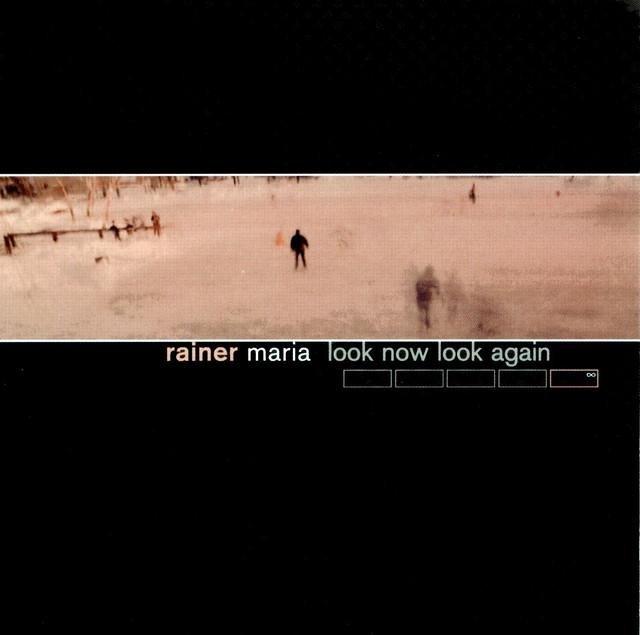
The meaning of Feeling Neglected? Rainer Maria comes through in a very human way: it is a breakup song about loneliness that grows inside everyday life. Nothing huge explodes. No one gives a long speech. Instead, the song watches two people move through tired routines until one person finally says the relationship is over.
"Feeling Neglected?" - Rainer Maria
i go to sleep at dawn,
and feel alone although you're warm.
Loading lyrics...
Unable to load lyrics
We're unable to display the lyrics at this time. Please try again later.
That quiet approach is what gives the song its sting. Rainer Maria, the Wisconsin-born indie rock band known for emotionally sharp writing and close-up relationship songs, often worked in that space between confession and distance. Basic band history is documented by sources such as AllMusic and Discogs. Here, they turn small details into emotional evidence.
A breakup hidden inside routine
At the center of the song is a speaker who feels emotionally unseen even while still sharing space with a partner. Early on, they describe going to sleep late and feeling alone although the other person is nearby. That contrast matters more than any dramatic accusation. Physical closeness is still there, but emotional connection is fading.
A short phrase like feel alone
says a lot. The song is not about being single or abandoned in the literal sense. It is about being next to someone and still feeling cut off. That is often harder to fix, because the relationship can look normal from the outside.
Watch the official Feeling Neglected?
music video
The small details do the heavy lifting
One reason the song feels so believable is its focus on repeated actions. The narrator mentions a weekly pattern, work, driving, and exhausted evenings. Those details create a picture of a relationship flattened by habit.
When the speaker says five days a week
, the line does more than mark time. It turns emotional pain into a schedule. This is not one bad night. It is a life pattern.
The same is true when they describe driving their partner home and noticing a face marked by fatigue
. The song does not mock that tiredness. If anything, it sees both people as drained. The partner may be struggling too, but the speaker cannot live inside that shared exhaustion anymore.
Who is responsible here?
Interpretation: One of the smartest things in the song is that it does not present the narrator as perfectly right. They admit that dragging things out and slowing down somehow suits me
. That is a revealing line.
It suggests they may be stuck in the relationship partly by choice, or at least by habit. They are not only neglected by the other person; they may also be participating in the stagnation. That gives the song emotional maturity. It does not sound like a simple blame story.
This matters for the ending. When the speaker says they are leaving, it feels less like revenge and more like a hard recognition. They have been unhappy for a while, and they know the relationship has trained both people into a version of life that no longer works.
The chorus changes the whole song
The key line is the blunt admission: i'm feeling neglected anyway
. In plain terms, the speaker decides that their loneliness is now the main fact of the relationship. Everything in the verses leads toward that conclusion.
What makes the chorus effective is the word “anyway.” It sounds resigned, almost casual, but that casual tone hides a final decision. The relationship may still contain warmth, rides home, and familiar routines. None of that is enough anymore.
and i'm feeling neglected anyway.
it's the reason i'm leaving you.
Those two lines act like the song’s emotional verdict. After all the drifting and delay, the speaker finally names the problem and acts on it.
Sound and style: why the song feels intimate
Rainer Maria are often associated with indie rock and emo-adjacent music, especially in the late 1990s and early 2000s, as reflected in overviews from Trouser Press and AllMusic. That context helps explain why a song like this hits so hard.
Even without quoting production notes that are not confirmed here, their style is typically built around tension between softness and urgency: close vocal emotion, melodic guitar work, and a rhythm section that can make repetition feel either comforting or trapped. For this song, that kind of arrangement supports the lyric’s emotional logic.
Interpretation: If the performance feels measured rather than explosive, that would fit the text well. The words are about depletion, routine, and delayed action. A huge, chaotic arrangement would distract from that. A restrained sound lets the sadness breathe.
Two strong ways to read it
There are at least two useful readings of the meaning of Feeling Neglected? Rainer Maria.
Reading one: a relationship dying from exhaustion
This is the clearest interpretation. Two people are tired, distant, and stuck in a schedule. Love has not turned into hatred. It has turned into numbness.
Reading two: a confession of shared failure
A deeper reading hears the speaker admitting their own role in the collapse. Lines about slowing down and extending the situation suggest they know they stayed too long. In that view, the song is not just “you ignored me.” It is also “we let this happen.”
Why the song still connects
Many breakup songs focus on betrayal or dramatic heartbreak. This one focuses on something quieter: the moment when ordinary life starts to feel emotionally empty. That makes it relatable. Many listeners know what it means to keep doing the right-looking things while feeling less and less seen.
That is why the song lands. It understands that neglect is not always loud. Sometimes it looks like routine, tired faces, late nights, and the slow realization that warmth is no longer enough.
Final takeaway
The meaning of Feeling Neglected? Rainer Maria is about emotional absence inside physical closeness. Through repeated daily images and a plainspoken final line, the song shows how a relationship can end long before the breakup is spoken aloud.
That reading is an interpretation based on the lyrics provided and publicly available artist context. Like many Rainer Maria songs, its power comes from leaving enough room for listeners to hear their own history in it.








