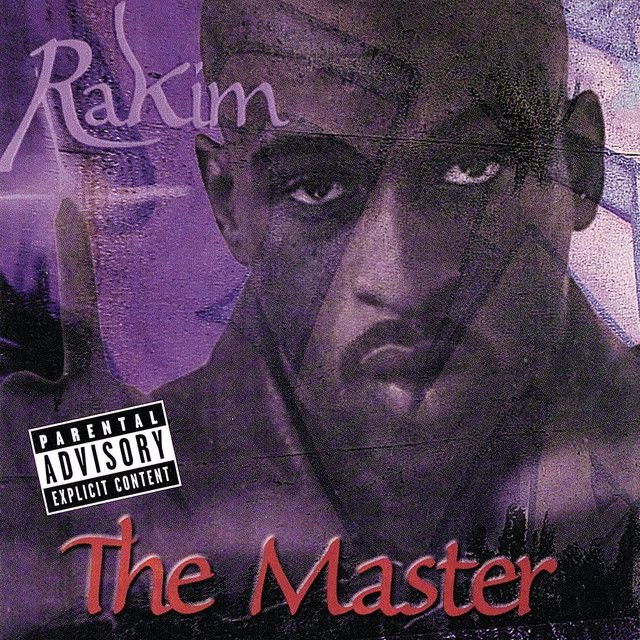
Waiting for the World to End by Rakim
Why This Song Feels Bigger Than One Story
The meaning of Waiting for the World to End Rakim centers on fear, conflict, and what happens when people are trained to live in crisis. Even though the title sounds apocalyptic, the song’s deeper message is not simply about destruction. It is about the systems that prepare people for battle, then leave them emotionally stranded afterward.
"Waiting for the World to End" - Rakim
The prisoners of fate.
A history of bloodshed,
Loading lyrics...
Unable to load lyrics
We're unable to display the lyrics at this time. Please try again later.
Rakim is widely known as one of hip-hop’s most influential lyricists, praised for a calm, complex style that helped reshape rap technique, a reputation recognized by sources like Rock & Roll Hall of Fame and Britannica. That context matters here. When an artist with Rakim’s authority turns toward end-times imagery, listeners expect more than shock value. They expect warning, reflection, and moral weight.

Watch the official Waiting for the World to End
music video
The Core Meaning: Life After Violence
At its heart, the song asks what remains after conflict becomes normal. The opening idea describes a world shaped by inherited harm: generations trapped by bloodshed, hatred, and fate. The song’s speaker does not glorify combat. Instead, they question the cost of teaching people to survive through force.
A key line of thought appears in the repeated question Who will you be fighting for?
Paraphrased, the song suggests that victory does not solve the deeper problem. Even after the official enemy is gone, the mind may still be at war.
That is why the phrase After the war
matters so much. It shifts the focus from battle itself to the damage left behind. The song argues that the hardest struggle may begin once the noise dies down.
A Soldier’s Story That Stands for Many People
From conscription to identity loss
The verses sketch a clear arc. A young person receives a draft notice, loses control of their future, and is folded into a machine larger than themselves. The song reduces military bureaucracy to cold numbers, paraphrasing the idea that a person becomes just another unit in a system.
Short phrases like another number
and military schemes
underline that loss of humanity. The point is not only war policy. It is how institutions can strip away identity, promise honor, and demand obedience.
The false promise of glory
The song also attacks the myth that war automatically makes heroes. It describes a recruit pushed forward by rhetoric about honor, then forced to live with the results. The phrase hope and glory
is used with bitter irony. What was sold as noble becomes a lesson in manipulation.
This is one of the clearest parts of the meaning of Waiting for the World to End Rakim: the song distrusts official narratives. It sees patriotic language as something that can hide exploitation.
The Chorus Turns the Song Inward
The chorus is simple, but its power comes from repetition. Instead of celebrating survival, it asks what survival means when someone’s inner life has been shattered.
After the fire
burning to its dying embers
These lines move the image from open warfare to aftermath. The fire is almost out, but the heat remains. That is a strong metaphor for trauma. The visible event has ended, yet the psychological damage still glows underneath.
Interpretation: The chorus may be less about a literal battlefield and more about emotional ruin. In that reading, the “world” ending is social and spiritual before it is physical.
Imagery of Fortresses, Fire, and Fate
One of the song’s strongest images is the lonely fortress
. Paraphrased, it suggests self-protection becoming isolation. A fortress keeps danger out, but it also traps the person inside. That image connects neatly to veterans, survivors, or anyone who has become emotionally guarded after repeated trauma.
The mention of fate is important too. Early on, the song frames history as a chain of inherited violence. People do not enter this world as blank slates; they are born into old conflicts. That makes the song feel larger than one soldier’s experience.
Interpretation: Listeners can hear the lyrics as a war narrative, but they can also hear them as a broader critique of cyclical violence—between nations, communities, or even within families.
How the Sound Supports the Message
Because this track is associated with Rakim’s hip-hop identity, the performance style matters as much as the words. Rakim’s classic strength is controlled delivery rather than panic. That calm tone often makes heavy subject matter feel more serious, not less. Instead of sounding overwhelmed, they sound like someone surveying damage with hard-earned clarity.
Production-wise, the song’s dark atmosphere fits the theme. Whether heard as rap with cinematic weight or as a hybrid track shaped by dramatic tension, the arrangement supports the lyrics by creating pressure and gloom rather than triumph. That choice matters. A brighter beat would weaken the message. A heavy, ominous sound makes the listener sit inside the aftermath the song describes.
More Than an Anti-War Song
It is fair to call the track anti-war, but that label is only the starting point. The song is also about:
- how power turns people into tools
- how public myths hide private suffering
- how survival can still feel like defeat
- how conflict continues inside the mind
That layered message is what gives the song staying power. It is not only condemning violence. It is asking what kind of world keeps creating it.
Final Take: Waiting for What, Exactly?
The most compelling reading is that the song describes people living under constant threat, so used to collapse that they almost expect it. In that sense, “waiting for the world to end” means waiting for the next disaster, the next order, or the next betrayal.
The meaning of Waiting for the World to End Rakim is ultimately about aftermath. It shows that the end is not always a single explosion. Sometimes it is the slow destruction of trust, selfhood, and purpose.
Disclaimer: This interpretation is based on the lyrics, Rakim’s artistic context, and the song’s tone. As with any song, listeners may hear different meanings.








