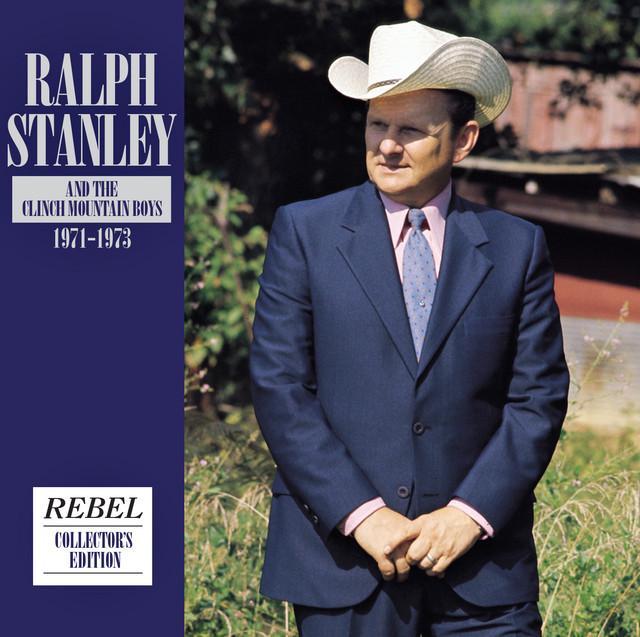
East Virginia Blues by Ralph Stanley
A mountain ballad about love that cannot settle
The meaning of East Virginia Blues Ralph Stanley starts with a simple story: a singer loves a young woman, hopes to marry her, faces family resistance, and then turns toward distance, regret, and home. On the surface, it is a courtship song. Under that, it is a ballad about blocked love and the feeling that place can shape fate.
"East Virginia Blues" - Ralph Stanley
North Carolina I did go
There I courted a fair young maiden
Loading lyrics...
Unable to load lyrics
We're unable to display the lyrics at this time. Please try again later.
Ralph Stanley did not write the song; it comes from older folk tradition, with roots in Appalachian and British Isles ballad styles that traveled and changed over time. Stanley became one of the great carriers of that tradition through the Country Music Hall of Fame and decades of work with bluegrass and mountain music. That matters, because his version does not sound like a polished pop heartbreak song. It sounds lived in, old, and stubborn.

Watch the official East Virginia Blues
music video
The core story moves from hope to separation
At first, the narrator introduces themself through geography, saying they were born elsewhere and traveled south. That quick setup links romance with movement. Love begins while they are away from home, in a place that never fully becomes theirs.
The song then turns tender. The woman is described with old ballad imagery like dark and curly
hair and a flower at her chest. These details are not just decoration. They show how the narrator idealizes her, almost as if memory has made her even more vivid.
Soon, the singer asks her to seek her mother's approval for marriage. That is the first real obstacle. Instead of a private love story, the relationship becomes tied to family power and social rules. When the answer appears impossible, romance shifts into danger and escape.
A dramatic middle gives the song its old-world weight
The song's most striking turn is the mother's image. Rather than acting like a mild parent who simply disapproves, she becomes a near-mythic barrier.
In her hand she holds a dagger
To kill the man
that I love best
This is almost certainly meant as ballad drama rather than literal crime reporting. Interpretation: the dagger stands for the violence that family control can do to young love, whether through threat, fear, or emotional force. In old folk songs, feelings are often made physical. Here, rejection becomes a weapon.
The next image deepens that mood. The line about the ocean being too deep to cross and having no wings to fly uses impossible distance to express helplessness. When the singer imagines a blue-eyed boatman
, they are dreaming of passage, rescue, or some way across emotional water. The love is not only blocked; it is stranded.
Why East Virginia matters so much
The return to East Virginia
is one of the song's biggest clues. This is not just a map point. It becomes a symbol of belonging. North Carolina is where the romance happened, but it is also where the singer was denied a future. East Virginia, by contrast, sounds like origin, memory, and a place where the self can be put back together.
That is why the song's sadness does not feel only romantic. It also feels regional. In Appalachian songs, home is often more than a hometown. It can mean family line, identity, and a world with its own values. When the narrator says North Carolina is not home, they are doing more than moving away. They are giving up on a life that did not accept them.
Money cannot fix what has been broken
One of the plainest moments in the lyric is the refusal of wealth. The singer says they do not want a green back dollar
or fine objects. They only want the loved one back. That sharp contrast gives the song moral force.
In many traditional songs, cash and status stand for empty solutions. Here, the singer rejects material comfort because the real loss is emotional. The line also helps explain why the song still connects with listeners. Its values are easy to understand: love matters more than display, and sincerity matters more than bargaining.
Ralph Stanley's sound makes the pain feel older and deeper
A big part of the meaning of East Virginia Blues Ralph Stanley comes from performance, not just words. Stanley's singing style is famously high, plain, and piercing, shaped by the mountain “high lonesome” tradition heard in the Library of Congress. That vocal tone can make even a simple line sound haunted.
The instrumentation matters too. In Stanley's world, banjo, fiddle, and guitar do not crowd the song. They support its ache. The rhythm keeps moving, but the mood remains suspended, as if the singer is walking onward while still emotionally stuck.
This balance is key. Bluegrass often sounds brisk, yet the emotional effect can be lonely. That tension fits the lyric perfectly. The singer may leave, travel, and decide, but none of those actions erase longing.
Two strong readings of the song
Interpretation 1: The song is mainly about forbidden love. In this reading, every image points back to a relationship that outside forces prevent from becoming a marriage.
Interpretation 2: The song is equally about exile and return. The failed romance matters, but the deeper wound is being away from one's true home and trying to belong in the wrong place.
Both readings work because the song keeps love and geography tightly linked. The beloved and the landscape almost merge.
Why the song still lasts
Part of the song's power is its simplicity. It tells a clear story, but it leaves enough mystery around the mother, the journey, and the ending for listeners to fill in the blanks.
It also lasts because Ralph Stanley sang old material with deep conviction. He treated folk songs as living memory, not museum pieces. In his hands, this ballad becomes more than a period love song. It becomes a portrait of wanting what cannot be secured: a person, a place, and a future.
Disclaimer: This interpretation is based on the lyrics, traditional song context, and Ralph Stanley's performance style. As with many folk songs, meanings can vary from listener to listener.







