How 'Mhysa' Turns Victory Into Mercy
The meaning of Mhysa Ramin Djawadi comes from a very specific dramatic moment: a conqueror is no longer seen only as a fighter, but as a liberator. Written by Ramin Djawadi for Game of Thrones, “Mhysa” closes Season 3, Episode 10, and its title comes from the word for “mother” in the fictional Ghiscari language used in the series. That story context matters, but the song’s emotional force reaches beyond plot. It sounds like a ritual of gratitude, rebirth, and uneasy triumph.
"Mhysa" - Ramin Djawadi
Zhey ven se'nador
Zhey ven tage maia
Loading lyrics...
Unable to load lyrics
We're unable to display the lyrics at this time. Please try again later.
Unlike a pop song, “Mhysa” is built less around a personal confession and more around a public voice. The lyrics are in an invented language, and that makes the feeling more important than literal line-by-line storytelling. They hear a community singing someone into a new identity.
Where the Song Comes From in the Story
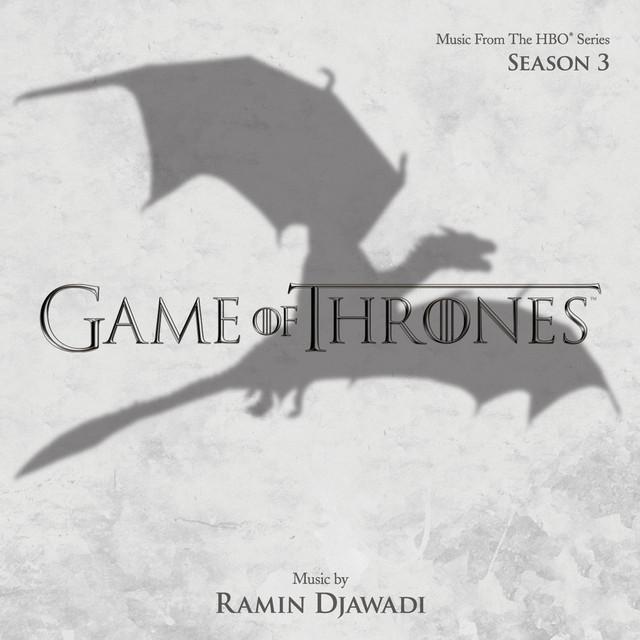
Factually, “Mhysa” appears on the Game of Thrones: Season 3 soundtrack, composed by Djawadi for the HBO series. The title points to the final scene in which Daenerys is lifted by freed people who call her mother, a moment documented in HBO’s episode material and soundtrack listings. In that scene, the music has to do two things at once: celebrate release from oppression and hint at the weight of power.
That is why the song feels both warm and formal. It is not just cheering. It is closer to a coronation hymn.

Watch the official Mhysa
music video
The Core Meaning: Freedom, Protection, and Myth
At its heart, the song is about a crowd giving thanks to a figure they believe saved them. The repeated call of Konqestiare
suggests conquest, but the emotional frame softens the word. In context, conquest is being recast as rescue.
Interpretation: This is the key tension in the meaning of Mhysa Ramin Djawadi. The song praises liberation, yet it also shows how quickly political power becomes myth. A leader is no longer only a person; they become a symbol.
That helps explain why the track feels uplifting and slightly overwhelming. The people in the scene are not simply relieved. They are transferring hope onto one human being.
How the Lyrics Work Without Plain English
Because the text uses a fictional language, listeners should be careful about claiming exact translations for every line. Still, meaning comes through repetition, cadence, and placement. Phrases like Erin vi cher'pa se'nador
and Ase ayolat
act less like diary lines and more like communal declarations.
The effect is similar to sacred or ceremonial music. Even if listeners do not know every word, they understand the social act: a group is naming, praising, and joining together. That is why “Mhysa” feels so immediate.
A—aah
Konqestiare
Those brief repeated sounds work like a chant. Before or after the word itself, the music tells listeners what the crowd feels: awe, release, and devotion.
The Most Important Theme Is Transformation
The song’s strongest theme is transformation through collective belief. A battle victory becomes a spiritual event. A ruler becomes Mhysa
, or mother, not because of a private promise but because a crowd chooses that name.
That matters in the wider Game of Thrones story. The show often questions whether heroic images are true, dangerous, or both. “Mhysa” captures the intoxicating first stage of that process, when gratitude feels pure and doubt has not yet entered.
A Public Song, Not a Private One
Many soundtrack pieces underline one person’s feelings. “Mhysa” instead belongs to the masses. The music rises as if many voices are pulling in one direction. That is why the track can sound generous and slightly unsettling at the same time.
Interpretation: They can hear the birth of a legend. Legends inspire people, but they can also hide complexity.
How Djawadi’s Music Carries the Message
Djawadi is known for using strong motifs, gradual builds, and clear emotional architecture across the series. Here, the arrangement is crucial. The choir gives the piece a ceremonial scale, while the steady harmonic movement keeps it from sounding chaotic. Rather than using aggressive percussion to stress military victory, the track leans into voices and uplift.
That choice changes the scene’s meaning. If the music were darker, it would frame Daenerys as a threat. If it were purely triumphant, it would ignore the cost of conquest. Instead, Djawadi creates a glow around the moment, but not a reckless one.
The vocal writing also matters. The long vowels and sustained notes make the crowd sound unified. They are not debating. They are witnessing.
Why “Mhysa” Feels Hopeful and Uneasy
Part of the song’s power is that it invites two readings at once:
- Liberation anthem: It honors people freed from cruelty.
- Myth-making warning: It shows how fast a savior image can form.
Both readings fit the scene. That dual meaning is one reason the track remains memorable among Djawadi’s soundtrack work. It is beautiful, but it also asks listeners to notice how beauty can strengthen political emotion.
In simple terms, the meaning of Mhysa Ramin Djawadi is not just “victory.” It is victory reshaped into belonging. The freed crowd is saying: we were abandoned, and now we believe someone sees us.
Why the Song Still Resonates
For many viewers, “Mhysa” lands because it offers rare emotional relief in a harsh series. The music lets the audience breathe. At the same time, the scene is so elevated and symbolic that it invites later reconsideration.
That is the genius of Djawadi’s score here. He does not just underline what is happening. He helps explain why the moment feels holy to the people inside it.
Final Take on Its Meaning
“Mhyrsa” is best understood as a song about public gratitude turning into political faith. Its chanting language, choir-led arrangement, and scene context all point to freedom, reverence, and the creation of a heroic image.
That interpretation is based on the song’s use in Game of Thrones, its title, and its musical design. As with any soundtrack piece in a fictional language, some meaning remains open to interpretation.







