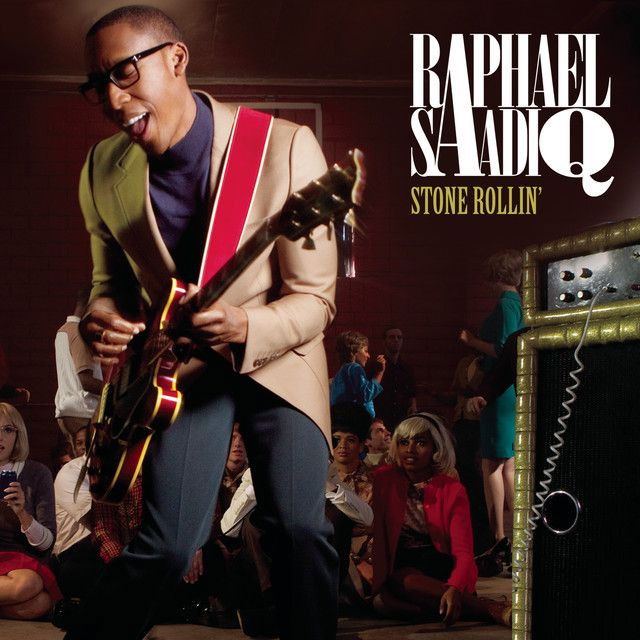
Good Man by Raphael Saadiq
A hurt voice behind a proud title
The meaning of Good Man Raphael Saadiq starts with a contradiction. The singer keeps calling himself a good partner, but the song does not sound calm or secure. It sounds defensive, bruised, and shocked that love has fallen apart.
"Good Man" - Raphael Saadiq
Ready willing and able check your name
I'm having fun, got no kids and I love the Lord, check your name
Loading lyrics...
Unable to load lyrics
We're unable to display the lyrics at this time. Please try again later.
On the surface, they hear a man listing his strengths: he works hard, provides, stays faithful, and sees himself as reliable. In short phrases like good man
and working two jobs
, he makes a case for himself as if he is answering a charge in court. That detail matters, because the song is less a love song than a self-justification song.
Interpretation: the real drama is not just breakup pain. It is the gap between how he sees himself and how he has been judged by someone else.

Watch the official Good Man
music video
Why Raphael Saadiq fits this story so well
Saadiq has long been one of modern soul music's strongest bridge-builders, mixing classic R&B textures with present-day storytelling. They first became widely known through Tony! Toni! Toné!, and later built a major career as a singer, songwriter, and producer for artists such as D'Angelo, Mary J. Blige, John Legend, Solange, and Beyoncé, according to widely cited career summaries and award histories.
That background helps explain why “Good Man” feels so lived-in. Critics have often described Saadiq's music as rooted in organic soul rather than studio gloss. One overview notes that his style favors classic, natural-sounding arrangements over easy formulas. That approach suits this song, because it needs emotional texture more than polish.
The track was also recognized during awards season, earning a Grammy nomination in 2012. It later reached a wider TV audience when Saadiq performed it in Luke Cage. Those facts matter because they show the song was heard as both musically strong and dramatically effective.
The song's central idea: being “good” is not enough
At its core, the song asks a painful question: if someone has done the basics right, why did love still fail? The narrator keeps building a checklist of respectable traits. He says there is food's on the table
, says he is ready willing and able
, and frames himself as steady, moral, and sexually confident.
But the repetition slowly changes the meaning. At first it sounds proud. Then it sounds desperate. By the end, his insistence on being a “good man” starts to feel like proof that he is trying to convince himself as much as anyone else.
Interpretation: Saadiq may be showing the limits of résumé-style love. Being dependable matters, but love is not a job application. The song suggests that a person can meet social standards of manhood and still fail in intimacy, communication, or emotional safety.
A breakup, a public shame, and a wounded ego
The song grows darker in the verses after the self-description. He cannot understand why she left, and he compares the feeling to betrayal. Rather than simply saying he is sad, he uses vivid pain imagery to show humiliation and anger.
The most striking turn comes when he describes being watched while authorities take him away. That moment raises the stakes because the breakup is no longer private. Shame becomes public.
You watched them hand cuff me lady,and walk me to my room
Those lines suggest disgrace, exposure, and a relationship that has collapsed beyond repair. Whether listeners take the scene literally or as heightened emotional storytelling, the effect is the same: he feels abandoned at his lowest moment.
How the lines connect to the bigger themes
Several themes run through the song:
- Masculinity and self-worth: He defines himself through labor, provision, faithfulness, and sexual ability.
- Love as judgment: The repeated self-listing sounds like testimony.
- Humiliation: He is not just heartbroken; he feels discredited.
- Resilience: Late in the song, he claims life is now better without her.
That final claim is important. When he says he is better now, the listener may hear growth, but also overcompensation. The emotional tone suggests that healing is still incomplete.
Interpretation: the song may be less about triumph than about the performance of triumph. He says he has moved on, yet the repeated hurt keeps pulling him backward.
How the music carries the meaning
“Good Man” works because the production does not rush the emotion. Saadiq is known for retro-minded soul arrangements, and this track leans into that strength. The groove feels warm, live, and slightly worn-in, like a record built from bass, drums, guitar, and room air rather than digital shine.
That sound supports the lyric in two ways. First, the earthy instrumentation makes the narrator seem human rather than theatrical. Second, the repeating hook lands like a mantra, which matches the song's emotional loop. He keeps returning to the same self-description because he cannot move past the same wound.
Saadiq's vocal delivery also matters. They do not oversing the pain. Instead, the voice carries strain and pride at the same time. That tension is the song.
One strong alternate reading
A simple reading says the narrator is right: he truly was a good partner, and the song captures the unfairness of being left anyway. That is a valid way to hear it.
Another reading is more skeptical. Because he lists credentials so often, listeners may wonder what is missing from his story. He can say I'm monogamous
or praise his own effort, but the song never gives the woman much voice. That absence may be intentional.
Interpretation: Saadiq may be portraying a man who thinks responsibility alone should guarantee love, while quietly revealing his blind spots.
Why the song still resonates
The lasting power of the meaning of Good Man Raphael Saadiq is its honesty about pride. Many breakup songs focus on longing. This one focuses on wounded identity. It asks what happens when a person does many of the “right” things and still ends up rejected.
That question keeps the song alive. It is soulful, memorable, and emotionally messy in a way that feels real.
Final takeaway
“Good Man” is about heartbreak, but even more about self-image under pressure. Saadiq turns a breakup into a study of pride, shame, and the uneasy need to be seen as worthy.
Disclaimer: This article offers interpretation based on the song's lyrics, performance, and known career context. Meanings can vary from listener to listener.








