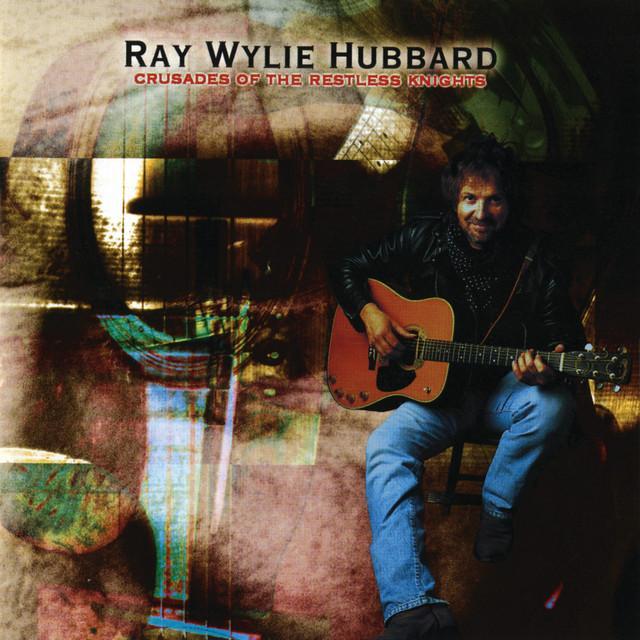
Conversation With The Devil by Ray Wylie Hubbard
A Hell Dream With a Human Point
The meaning of Conversation With The Devil Ray Wylie Hubbard starts with a dream, but the song is really about life on earth. Hubbard imagines being thrown into Hell and then guided around by the Devil himself. That setup sounds wild and comic, yet it lets the song ask serious questions about sin, blame, religion, and personal responsibility.
"Conversation With The Devil" - Ray Wylie Hubbard
The Devil walked up and said, "You don't need no lightning rod
It hardly ever rains down here, I can't recall the last storm
Loading lyrics...
Unable to load lyrics
We're unable to display the lyrics at this time. Please try again later.
At heart, this is a satire. The narrator insists they are not such a bad person, but the song keeps showing how easy it is to excuse private habits while judging everyone else. The joke is that the Devil often sounds more honest than the people who claim to be good. That twist gives the song its bite.

Watch the official Conversation With The Devil
music video
The Story Works Like a Moral Comedy
The plot unfolds in a clean line. First, the narrator lands in Hell and hears practical, almost casual details about the place, including that it gets kinda warm
. That dry understatement turns terror into comedy.
Then comes the first key conflict: the narrator argues they do not belong there. They make small, ordinary defenses of their character, as if minor good behavior should cancel deeper faults. When the Devil brings up whiskey and the cocaine
, the reply is not repentance but rationalization. That is one of the song’s central jokes: people can explain anything away if it protects their self-image.
Where the Song Turns Sharper
The tour of Hell
As the Devil gives a tour, the song widens from personal guilt to public hypocrisy. Preachers, corrupt officials, abusers, and neglectful parents all come under fire. The target is not simple rule-breaking. It is harm, cruelty, and moral posing.
One especially pointed passage attacks religious leaders who condemn others and then fail their own standards:
better than me and you
caught in a motel room
The song paraphrases a common scandal pattern: public holiness, private misconduct. Hubbard is not mocking belief itself. He is mocking people who use belief as cover.
Heaven, Hell, and social criticism
The funniest section may also be the most revealing. When the narrator asks who is in Heaven, the answer favors loving, gentle people over culture-war gatekeepers. The line about Beautiful old souls
reading to children shifts the song away from doctrine and toward compassion.
That is the core value system here. The song suggests that kindness matters more than loud moral branding.
What Ray Wylie Hubbard Seems to Be Saying
Interpretation: Hubbard uses the Devil as a truth-teller because that reversal strips away pious language. In this song, evil is not only drugs, sex, or rule-breaking. It is also hypocrisy, vanity, and the damage people do to others while pretending to be righteous.
That idea fits Hubbard’s larger outlaw-poet persona. Across his career, including on his official site, they have blended rough humor, spirituality, and barroom realism. This song sits comfortably in that world: skeptical of institutions, alert to human weakness, but still searching for grace.
Another striking moment comes when the narrator asks which religion is true. The Devil’s answer treats religions as closer than their followers often admit. Whether listeners agree or not, the point is clear: the song prefers humility over certainty.
Sound and Style Matter as Much as the Plot
The production helps the meaning land. Hubbard’s music often draws from country, blues, and roots rock, and this song works best in that loose-talking tradition. It does not feel polished or choir-like. It feels lived in.
That matters because the lyric is full of long spoken-sounding lines. A stiff arrangement would make the song preachy. Instead, the groove gives it a back-porch storytelling feel, letting the humor breathe while keeping the moral edge intact.
Their vocal delivery also shapes the meaning. Rather than sounding terrified, they sound wry, baffled, and slightly amused. That tone tells listeners this is not a theology lecture. It is a comic confession with teeth. Hubbard’s broader career, noted by the Texas State Historical Association, has long mixed renegade country with literary songwriting, and this track is a strong example.
The Ending Gives the Song Its Soul
The final turn is easy to miss because it comes after so many jokes. The narrator wakes up, kisses their sleeping child, and prays. That small domestic action is more important than any argument earlier in the song.
It shows that the dream has done what sermons could not: it made the narrator feel the weight of life, love, and consequence. The closing idea, summed up in feel the heat
, says some people change because they find spiritual truth, while others change because fear shocks them awake.
Interpretation: The song does not fully separate those two paths. Fear may start the process, but love finishes it. The kiss on the child’s head is the clearest sign of real moral feeling in the entire story.
Why the Song Still Connects
The meaning of Conversation With The Devil Ray Wylie Hubbard lasts because the song refuses easy categories. It is funny but serious, skeptical but not empty, critical of religion but not hostile to spiritual longing. Most of all, it understands a very human habit: people want mercy for themselves and judgment for everybody else.
Hubbard turns that contradiction into a vivid dream and lets the Devil expose it. The result is not a neat lesson. It is a reminder to be less smug, more honest, and more tender with the people who depend on us.
Final Take
This reading treats the song as a satirical story about guilt, hypocrisy, compassion, and reluctant awakening. Like most great story songs, it leaves room for other interpretations, and any meaning should be taken as informed analysis rather than confirmed artist intent.







