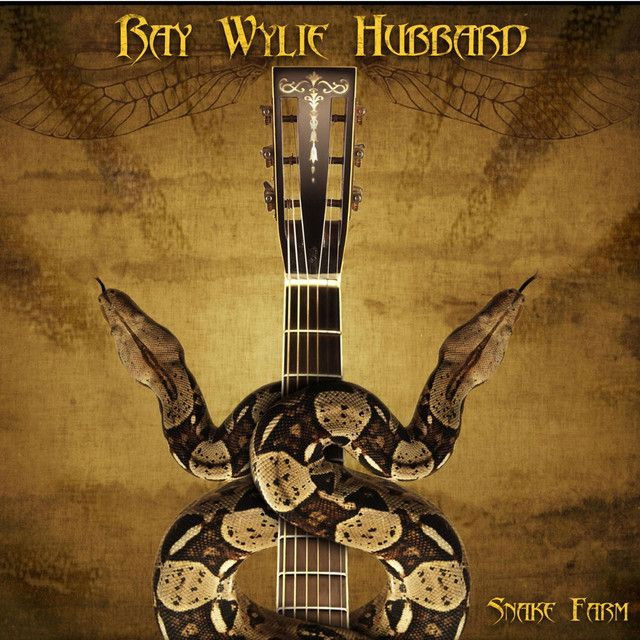
Why "Snake Farm" Is Dirtier Than It Sounds
The meaning of Snake Farm Ray Wylie Hubbard starts with a joke, but it does not end there. On the surface, the song is a comic country story about a woman named Ramona who works at a reptile house. Under that, it turns into a sly portrait of attraction, boredom, low-rent Americana, and the way a place can feel charged with danger and desire at the same time.
"Snake Farm" - Ray Wylie Hubbard
She kinda looks like tempest storm
She can dance like little Egypt
Loading lyrics...
Unable to load lyrics
We're unable to display the lyrics at this time. Please try again later.
Ray Wylie Hubbard wrote the song, and it became one of his best-known tracks from Loco Gringo's Lament, released in 1994. Hubbard is widely known for mixing rough humor, roots music, and Texas outlaw storytelling across his career, as noted on his official site and in his Texas State Historical Association entry. That context matters because “Snake Farm” sounds like a novelty song at first, but Hubbard often uses funny details to reveal something more human.
More Than a Bar Joke in Boots
At its core, the song is about lust wrapped in comedy. The narrator is fascinated by Ramona, and everything about her feels half ridiculous, half irresistible. The setting helps create that mood. A snake farm is already a strange place, and the chorus leans into that with it just sounds nasty
and it pretty much is
.
Those lines do two things at once. Literally, they describe a grubby roadside reptile attraction. Interpretation: they also wink at the listener, suggesting that the whole scene is sexually charged, sweaty, and a little dangerous. The song never gets very explicit, but it does not need to. The repeated hook lets the setting do the work.
Watch the official Snake Farm
music video
Ramona as the Song’s Wild Center
Ramona is not presented as elegant or mysterious in a dreamy way. Instead, she is vivid, odd, and unforgettable. The narrator admires her dancing, her tattoo, her taste in music, and her job. These details make her feel real rather than symbolic.
A phrase like keen sense of humor
matters because it shows why the attraction works. Ramona is not just being looked at; she has personality and control. Even the tattoo image is cartoonish and bizarre, which fits the song’s world. Hubbard builds her through small, funny snapshots, and that makes the desire feel grounded.
A character built from clutter
The song piles up details that might seem random: malt liquor, a Welsh rock band, winter boredom, a tattooed python, and a reptile house. But that clutter is the point. It creates a whole atmosphere of faded fun and restless energy.
Interpretation: Ramona represents a kind of freedom that is messy, local, and unpretentious. She is not idealized in a polished Nashville way. She belongs to a humid, dusty world where people make their own entertainment.
How the Story Moves
The narrative is simple, and that simplicity is part of its charm:
- The narrator introduces Ramona and explains why they are drawn to her.
- The chorus turns the snake farm into the song’s big comic symbol.
- More odd details fill in Ramona’s life and attitude.
- The final verses reveal that the attraction is mutual.
That last shift matters most. When Ramona calls and says it’s getting warm
, the song moves from playful description to clear invitation. The line is still comic, but now the heat is emotional and physical. By the end, the snake farm is not just where she works. It becomes the place where flirtation becomes action.
Why the Chorus Does the Heavy Lifting
The hook is catchy because it is blunt. It’s a reptile house
sounds almost too obvious, which is exactly why it works. The chorus keeps naming the place in plain language while also letting the listener hear the double meaning.
Snake farm
it just sounds nasty
it pretty much is
That short refrain captures the whole song’s method: say something simple, let it echo, then let the audience laugh at what is implied. Interpretation: the chorus turns a cheap attraction into a symbol for temptation itself. It is gross, funny, exciting, and hard to resist.
Sound, Groove, and the Meaning
The production helps sell that reading. The song sits in a loose, rootsy country groove rather than a polished pop-country one. That relaxed feel makes the narrator sound amused, not dramatic. Hubbard’s vocal delivery is dry and conversational, which keeps the innuendo from becoming heavy-handed.
Instrumentally, the song leans on a bar-band energy: steady rhythm, earthy guitar work, and a loping pace that lets each punchline land. There is space in the arrangement, so the repeated chorus can feel more like a knowing grin than a big emotional release.
Interpretation: if the song had been sung with too much intensity, it might have sounded crude or one-note. Instead, the groove gives it swagger and distance. The music tells listeners they are supposed to enjoy the absurdity.
A Few Stronger Readings
There are at least two useful ways to read the song.
First, it works as a pure character sketch. On that level, Hubbard is celebrating strange people and stranger places with affection instead of judgment.
Second, it works as a song about American seediness. The snake farm stands for the kind of roadside life that is half tacky, half magical. Nothing here is glamorous, yet everything feels alive.
Those readings fit Hubbard’s broader style, which often blends humor with grit rather than separating them. That is why the song has lasted. It is funny on first listen, but it paints a whole social world in just a few verses.
Why “Snake Farm” Still Sticks
The meaning of Snake Farm Ray Wylie Hubbard lasts because the song understands that desire is often ridiculous. People are drawn to places and people that feel risky, weird, and impossible to explain to anyone else. Hubbard turns that truth into a chorus that listeners remember after one play.
It is a novelty song only if someone stops at the surface. Listen closer, and it becomes a sharp little study of lust, place, and personality, all hiding inside a grin.
Disclaimer: This interpretation separates factual context from critical reading. As with most songs, some meaning remains open to listener interpretation.