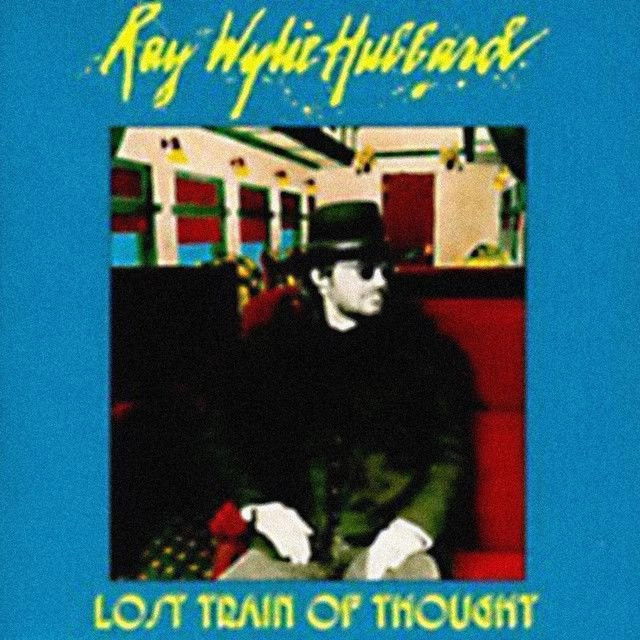
Wanna Rock and Roll by Ray Wylie Hubbard
A wild song with a darker heart
The meaning of Wanna Rock and Roll Ray Wylie Hubbard is not just about partying, sex, or vintage rock attitude. Under its rowdy surface, the song tells a violent jealousy story wrapped in the language of barroom desire. It starts like a lusty, late-night romance and ends like a murder ballad.
"Wanna Rock and Roll" - Ray Wylie Hubbard
To watch that train roll by
99 cars screaming into the dark
Loading lyrics...
Unable to load lyrics
We're unable to display the lyrics at this time. Please try again later.
That twist matters. Ray Wylie Hubbard often works in roots music traditions where blues swagger, country storytelling, and outlaw danger can live in the same song. Here, they use that mix to show how pleasure, possession, and violence can sit uncomfortably close together.

Watch the official Wanna Rock and Roll
music video
What the story seems to be saying
On the surface, the narrator is drawn to a magnetic woman. They describe her with intense physical detail and repeat her desire to rock & roll
and hoochie coo
. Those phrases sound playful, but the verses around them grow more unstable.
Interpretation: The song is about obsession disguised as romance. The hook sounds carefree, yet the narrator keeps revealing a controlling streak. When they admit having a cold black heart
and being the jealous kind
, the song stops sounding like harmless flirtation. Hubbard gives the listener the warning signs before the final act arrives.
From railroad tracks to barroom blood
The plot moves like a short Southern noir film. First, there is the nighttime trip to the tracks, a classic American image of loneliness, movement, and fate. The train, the rain, and the kiss create a scene that feels cinematic and doomed from the start.
Then the woman speaks in a bright, teasing voice. Her lines bring energy and sex appeal into the song. That contrast is important: the chorus offers release, while the verses keep building tension.
Later, the narrator goes downtown to Johnny's Last Stand and sees her dancing with someone else. That scene triggers the violent break. The song shifts from desire to threat in seconds. By the end, the return to the railroad tracks turns the opening image into a burial-place memory.
Last night I went down
to the railroad tracks
to watch that train roll by
This short passage frames the whole song. Before and after the violence, the tracks suggest destiny, loneliness, and a point of no return.
Why the chorus matters so much
The chorus is catchy on purpose. Phrases like shake that thing
and love me do
sound like old rock-and-roll slang and pop references. They create an almost comic burst of energy inside a very dark story.
Interpretation: That contrast may be the point. Hubbard uses the fun of roots-rock language to show how easily a dangerous narrator can sound charming. The song invites listeners to move to the beat even while the story gets uglier. That tension is what gives it power.
There is also a strong echo of earlier American music forms here: rockabilly lust, blues bragging, and country murder-ballad storytelling. Hubbard is not hiding those influences; they are central to how the song works.
The key images and what they mean
Several recurring symbols deepen the song's meaning:
- Railroad tracks: fate, escape, and death. The train image gives the story motion, but not freedom.
- Rain: emotional storm and doom. It turns the love scene into something mournful.
- Tattooed name: possession. Her name on the arm suggests devotion, but also fixation.
- Red lips: desire mixed with danger. The repeated color makes sensuality feel fatal.
- Dance floor and knife: public humiliation turning into private revenge.
These details make the song feel old-fashioned in a deliberate way. It pulls from folk and blues traditions where a few hard images can carry the whole emotional load.
How the sound carries the meaning
Ray Wylie Hubbard's catalog sits between outlaw country, blues rock, and rough-edged Americana, as reflected on his official site and broad career coverage at AllMusic. That context helps explain this track's sound world.
Even without needing dense production notes, the lyric suggests a lean, rhythmic arrangement: a bar-band groove, a bluesy pulse, and a vocal delivery that can smirk one moment and threaten the next. The repeated chorus likely lands like a chant, giving the song its addictive feel.
Interpretation: The music probably does not soften the narrator. It likely makes them more seductive. That is crucial, because the song depends on the listener feeling the pull of the groove while also noticing the rot underneath.
Artist context helps decode it
Hubbard has long written songs full of drifters, mystics, sinners, and swaggering voices. They often blur sincerity and performance. In that tradition, a first-person narrator is not the same thing as a literal confession.
That distinction matters here. The song presents a character voice: volatile, boastful, wounded, and dangerous. Readers should not treat the lyric as autobiography. Instead, it fits the long American tradition of story-songs where ugly human impulses get staged in memorable language.
The darkest reading, and a second one
The clearest reading is that the narrator murders the woman after seeing her with another man, then returns to the tracks for a final kiss. The shift from romantic detail to the image of her lifeless lips makes that hard to miss.
A second reading is more symbolic. Interpretation: The ending could also dramatize the death of fantasy itself. The woman represents pleasure and freedom, but jealousy destroys the dream. In that version, the song is still violent, but it also becomes a warning about possessive love.
Final takeaway on the song's meaning
The meaning of Wanna Rock and Roll Ray Wylie Hubbard lies in its collision of fun and menace. It is a song that borrows the language of jukebox freedom and uses it to tell a story about obsession, jealousy, and ruin.
That is why it lingers. The hook is loose and exciting, but the narrative underneath is tight, grim, and deliberate. Interpretation: listeners may hear it as a dark character sketch, a modern murder ballad, or a critique of macho desire gone rotten.
Disclaimer: This interpretation is based on the song's lyrics, performance style, and Ray Wylie Hubbard's broader artistic context. As with many narrative songs, meanings can vary from listener to listener.








