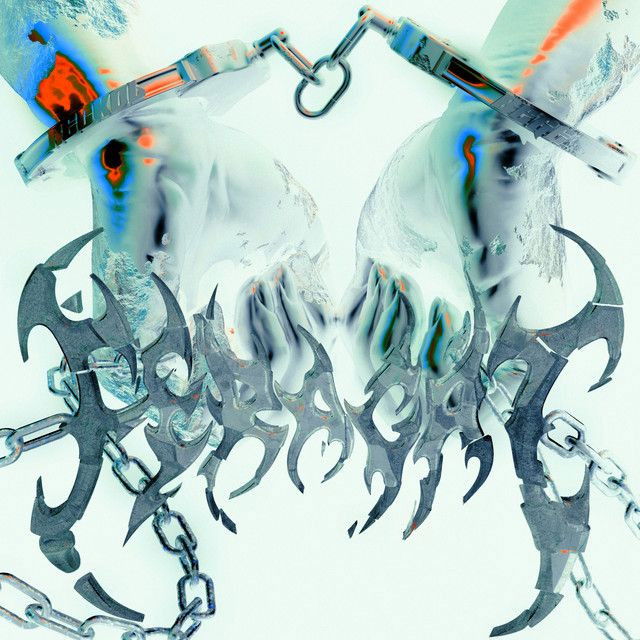
Feragât by Reckol, BEGE
They don’t just name the song after a legal word; they live inside it. “Feragât” means renunciation—choosing to give something up. The meaning of Feragât Reckol, BEGE sits at the crossroads of ambition and burnout, where success talk meets a need to start again.
"Feragât" - Reckol, BEGE
Bitti, çoktan geçtik baba biz seni (Goaty)
Paranın peşinde koştuk biz addict
Loading lyrics...
Unable to load lyrics
We're unable to display the lyrics at this time. Please try again later.
What “Feragât” Really Means in These Verses
At its core, the track is about choosing what to drop so you can keep going. The hook’s idea—ettim feragat
and then yeniden doğ
—frames sacrifice as a reset button. They give up illusions, shortcuts, and maybe even a relationship, in exchange for a clearer path.
There’s tension between toughness and vulnerability. One moment they’re flexing, the next they admit the cost. The word “feragât” ties those halves together: power through letting go.

Watch the official Feragât
music video
The Push-Pull of Fame, Money, and Love
The verses paint a life racing after status—paranın peşinde
—but show the fallout. They brush off calls, guard their time, and keep feelings locked up. When BEGE says his emotions are like duygularım hepsi ters kelepçe
, it pictures a heart restrained and twisted.
Interpretation: that “handcuff” image suggests control and shame around vulnerability. It’s easier to brag about cars and labels than to say you’re scared of losing yourself. Yet the song keeps hinting at that fear.
Voice and Address: A Self vs. a You
They speak in first person, but an unnamed “you” hovers—a partner, a friend, or even the audience they’ve outgrown. The narrator warns they’ve changed, and distance is part of survival. Still, they reach for connection when they ask for company on the way out, or when they admit doubt about what’s right.
Lines like yolun sonu var
carry a quiet threat: every route ends. Interpretation: they see the dead‑end of clout chasing, the limits of flex culture, and the way love fades if no one slows down.
Motifs That Decode the Mood
- Cars and speed: AMG underlines motion and risk. It’s freedom and pressure at once.
- Status brands: Moncler and Louis V promise insulation—from cold and from feelings. They sparkle while hinting at emptiness.
- Local routes: Çengelköy–Beykoz sound like constant motion through Istanbul—contact always on, engine always warm. Home becomes a highway.
- Fog and grayscale: The black/white dilemma collapses into haze. They can’t see the line between right and wrong.
- Inner demon:
içimde şeytan var
and the Sukuna shout‑out turn temptation into a character. Interpretation: it’s the appetite for more—money, heat, validation—that keeps them from rest. - Karma: They “make karma” just to see it, as if stirring chaos proves they’re alive. But chaos keeps pushing them back to zero.
Production: Dark Trap with a Rebirth Glow
The production sits in modern Turkish trap: moody synths, tight 808s, and a melodic hook that lifts without brightening too much. The contrast fits the theme. Verses feel clipped and restless; the hook opens up and breathes.
Auto‑tuned textures and ad‑libs create a split self—one voice pushing forward, one voice looking back. Producer tags at the end reinforce identity and scene ties, while the mix keeps the kick/bass heavy, like a fast heart under pressure. Interpretation: the sound makes renunciation feel active, not passive. Letting go breaks the drop and resets the groove.
Why It Sticks: Two Readings, One Feeling
- Interpretation 1: Renouncing clout. The narrator realizes the shine is a trap. They give up shortcuts and cheap highs to recover purpose. The repeated sense of reset—
yeniden doğ
—is a vow to grow up. - Interpretation 2: Renouncing a love that blocks growth. When your feelings are
ters kelepçe
, love feels like restraint. Giving it up frees the self, even if it hurts.
Either way, the destination is the same: choose what to release so you can move. That choice is brutal yet freeing, and the song refuses to make it neat. The road calls, but yolun sonu var
—so they pick a path and pay the cost.
Takeaway
The meaning of Feragât Reckol, BEGE is a study in controlled surrender. They chase, they burn, and then they renounce—so they can begin again. It’s trap music as a mirror: shiny on the surface, conflicted underneath, honest about what success can’t fix.
Disclaimer: Song interpretations are subjective. This analysis reflects one informed reading based on the lyrics, themes, and sound.








