Why ‘Cabron’ Turns Conflict Into Connection
The meaning of Cabron Red Hot Chili Peppers comes down to a simple but sharp idea: they stage a tense encounter, then refuse to let it become a fight. Instead of macho posturing, the song keeps returning to empathy, neighborhood detail, and the hope that two people on opposite sides might actually be alike.
"Cabron" - Red Hot Chili Peppers
Cabron, cabron
I see you in the park, you're always wearing Dodger blue
Loading lyrics...
Unable to load lyrics
We're unable to display the lyrics at this time. Please try again later.
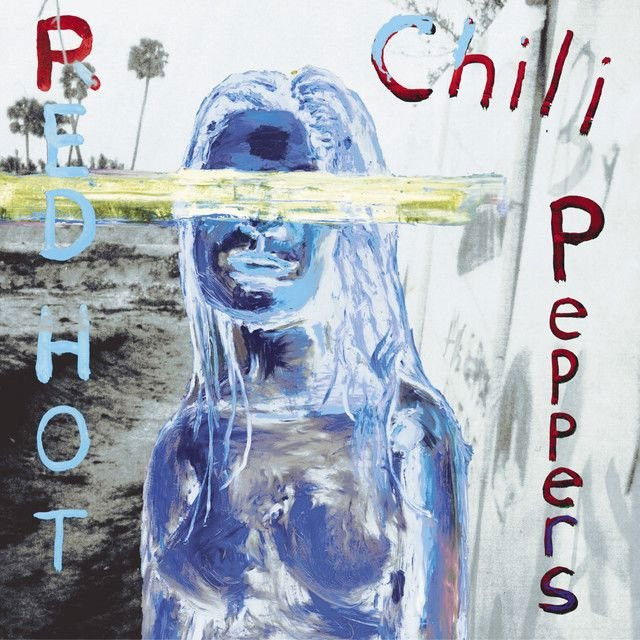
“Cabron” appears on By the Way (2002), the Red Hot Chili Peppers’ eighth studio album and its eleventh track, according to Songfacts and fan documentation built around the band’s catalog. Those sources also note that the title uses a Spanish profanity with a rough, confrontational edge. That matters because the song opens in hostility but moves toward peace.
A Street-Level Standoff With a Different Goal
At first, the lyrics sketch a public scene. They see a figure in the park, marked by color and crew identity, with the line Dodger blue
acting like a local badge. The image suggests neighborhood rivalry, status, and the kind of social map where a wrong look can mean trouble.
But the speaker does not answer aggression with aggression. Even when they say I am small but I am strong
, it does not sound like chest-beating for its own sake. It sounds more like self-defense: they can stand up for themselves, but they would rather not have to.
That shift is the heart of the song. The strongest repeated message is I don’t want to fight
. They are speaking to someone who seems to expect conflict, yet they keep offering another path.

Watch the official Cabron
music video
The Chorus Pushes Back Against Pride
The hook uses the title word almost like a taunt, but the verses soften that edge. Each time the song circles back, it becomes less about insult and more about trying to break through a hard exterior.
One key line is I want to get along with you
. That is unusually direct. In many rock songs, tension leads to revenge, swagger, or escape. Here, they stay in the moment and ask for coexistence.
Interpretation: the song may be speaking to one person, but it also points to group behavior. The lyric about others taking a cue from this figure suggests influence, leadership, and the way one aggressive person can shape a whole block, crew, or social circle.
Small Details, Big Themes
The song’s images are modest, even funny at times. A park, a barbecue, dancing, staying up late, and singing about everyday life all create a world that feels local rather than mythic. The phrase about the local news
is especially telling. It brings the song down from abstraction and into ordinary community life.
That matters because the conflict here is not framed as epic good versus evil. It is neighborhood friction. The song suggests that violence often grows out of routine patterns, territorial codes, and pride.
Then comes the emotional pivot: I’m just like you
. That line is the closest thing the song has to a thesis. They are not arguing that differences are fake. They are arguing that beneath style, status, and crew identity, both sides share the same basic human instincts.
How the Sound Changes the Meaning
One reason “Cabron” stands out on By the Way is its arrangement. Rather than leaning on the band’s hardest funk-rock attack, the track has a bright, acoustic, almost folk-pop feel. That softer backdrop changes how the lyrics land.
If these words were delivered over a heavy, pounding groove, they might sound sarcastic or threatening. Instead, the music gives the song a playful and humane tone. The contrast is powerful: hard social tension, gentle musical setting.
Interpretation: that contrast may be intentional. Red Hot Chili Peppers often pair emotional unease with catchy, welcoming production. Here, the band makes a tense street encounter sound almost communal, as if peace is not just morally better but also more natural.
Context Inside By the Way
By the Way is widely known as one of the band’s more melodic and emotionally layered albums. John Frusciante’s influence on harmony and arrangement was especially strong in this era, and that broader album context helps “Cabron” make sense. It belongs to a period when the band often traded pure aggression for reflection and vulnerability.
The credited writers are Anthony Kiedis, Flea, John Frusciante, and Chad Smith. In that light, “Cabron” feels like a group exercise in reframing toughness. They keep the social realism, but remove the fantasy of domination.
Two Strong Readings of the Song
Reading One: A plea to a gang-coded rival
This is the most straightforward reading. The references to colors, crews, and being watched in public support it. Songfacts even summarizes one listener interpretation as a relationship inside a gang-run neighborhood. That fits the lyrics well, though it should still be treated as interpretation rather than confirmed artist intent.
Reading Two: A wider message about tribalism
The song can also be heard as a comment on how people divide themselves into camps. In that reading, the “crew” is any group identity—street, social, cultural, even political. The message stays the same: people perform difference until they forget their similarities.
I don’t want to fight
I want to get along with you
That brief refrain sums up the song’s moral center without needing anything more elaborate.
Why the Song Still Connects
The meaning of Cabron Red Hot Chili Peppers lasts because it understands a common human trap: people often act hardest when they feel most exposed. “Cabron” answers that hardness with a mix of caution, humor, and empathy.
It does not pretend conflict is unreal. They admit danger is there. But they also insist that peace can begin with a simple, almost stubborn act: recognizing yourself in the person across from you.
Disclaimer: This article offers interpretation based on the lyrics, musical context, and available song history. Since the band has not provided a definitive line-by-line explanation here, some meanings remain open to listener interpretation.








