Why "I Could Have Lied" Still Hurts
The meaning of I Could Have Lied Red Hot Chili Peppers comes down to one painful idea: honesty does not always heal. Sometimes it only leaves a person more exposed. On a record known for swagger, groove, and sexual energy, this song stands apart as one of the band’s most wounded and intimate moments.
"I Could Have Lied" - Red Hot Chili Peppers
In the way I feel
That she don't want me to feel
Loading lyrics...
Unable to load lyrics
We're unable to display the lyrics at this time. Please try again later.
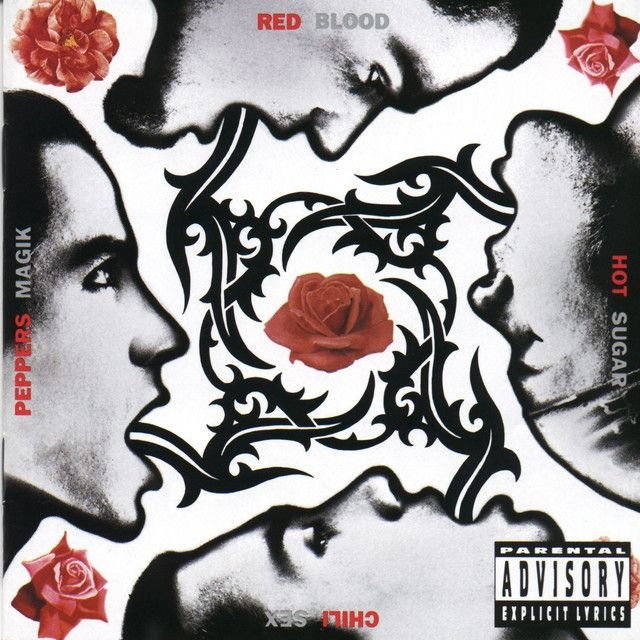
Released on Blood Sugar Sex Magik in 1991, the track showed how much emotional range Red Hot Chili Peppers had at that point in their career. The album, produced by Rick Rubin, mixed funk-rock force with more vulnerable writing and became the band’s breakthrough release.
A Heartbreak Song Without Any Protection
At its core, the song is about someone who tells the truth about what they feel and gets hurt for it. The opening lines paint that damage quickly. When the narrator describes a gaze that cuts and shrugs, so what if I bleed
, they sound defiant on the surface, but the pain is already obvious.
That is the key tension in the song. They try to act tough, yet every line proves the opposite. The singer cannot hide what is happening inside.
The clearest statement of that comes when they insist, what is not real
will never show on their face. In plain terms, they are saying they will not fake emotion. They would rather be wounded than pretend not to care.

Watch the official I Could Have Lied
music video
The Chorus Turns Regret Into the Main Theme
The chorus gives the song its title and its emotional twist. When the narrator says I could have lied
, it does not sound like a clever confession. It sounds like a person replaying a mistake after rejection.
Interpretation: they may mean they should have hidden their true feelings, or possibly hidden something that made the relationship collapse. Either way, the bigger point is not deception itself. The bigger point is regret over being emotionally visible.
That reading is strengthened by the line keep their cool
. Their eyes give them away. Their feelings rise to the surface before they can control them. The song is less about plotting or betrayal than about losing emotional composure in front of someone who now has the power to hurt them.
Verse by Verse, the Story Gets Clearer
The song unfolds like a short memory:
- They feel unwanted but still drawn in.
- They insist their feelings are real and cannot be changed.
- They confess how deeply the other person affected them.
- That person leaves, and the honesty becomes a source of pain.
One of the strongest images is the mountain comparison. When the narrator says a mountain does not need to speak, they admire a kind of silent strength. The other person seems calm, unreadable, and distant. By contrast, the narrator is all feeling, all reaction.
Later, when they call the departing person a soulful song
that would not stay, the song shifts from direct pain to memory. That phrase turns a real person into something beautiful but brief, almost impossible to hold onto.
The Backstory Helps, But It Is Complicated
Anthony Kiedis wrote in Scar Tissue that the song came from a short and painful relationship he believed he had with Sinéad O’Connor. According to accounts summarized by outlets like American Songwriter and Songfacts, he said John Frusciante encouraged him to write after the breakup and that Jimi Hendrix’s version of “All Along the Watchtower” helped inspire the mood and approach.
But that story is disputed. O’Connor later denied that the romance happened the way Kiedis described, saying it was largely or entirely imagined from her point of view. That matters because readers should separate artist claim from verified fact.
Even so, the disputed backstory does not erase the song’s emotional truth. Whether the relationship happened exactly as Kiedis remembered it or not, the track clearly captures rejection, longing, and humiliation.
Why the Music Makes the Lyrics Hit Harder
A big part of the meaning of I Could Have Lied Red Hot Chili Peppers comes from its arrangement. Instead of leaning on the band’s usual bounce, the song slows down and opens space. John Frusciante’s acoustic guitar sounds bare and close, almost like the listener is in the room with them.
That sparseness matters. It gives the words nowhere to hide. Then Frusciante’s electric solo arrives and says what the singer cannot fully explain. It is emotional, slightly ragged, and melodic without becoming flashy.
This is why many listeners remember the song as one of the band’s most moving performances. Flea and Chad Smith support the track with restraint, which lets the vulnerability stay front and center. Rick Rubin’s production also helps by keeping the sound uncluttered.
Two Strong Readings of the Song
Interpretation 1: Romantic rejection. This is the most common view. The narrator opened up, got shut out, and now wishes they had protected themselves.
Interpretation 2: Regret over saying too much. Even if the song is not about literal cheating or a breakup detail, it still works as a portrait of emotional oversharing. They revealed exactly how hard they were hit, and now they feel foolish for it.
Both readings fit because the song never locks itself into one neat explanation. Its power comes from that uncertainty.
Why It Endures
More than three decades later, the song still lands because it captures a familiar feeling: the shame that can follow sincerity. Many breakup songs celebrate anger or revenge. This one sits in the worse place, where someone knows they were honest and still ended up broken.
That is why the track remains one of the most human songs in the Red Hot Chili Peppers catalog. It does not offer wisdom or closure. It just tells the truth about what it feels like when truth was not enough.
Disclaimer: This article offers interpretation based on the released song, publicly discussed artist comments, and reported context. Meanings can vary from listener to listener, and disputed biographical claims should be treated carefully.







