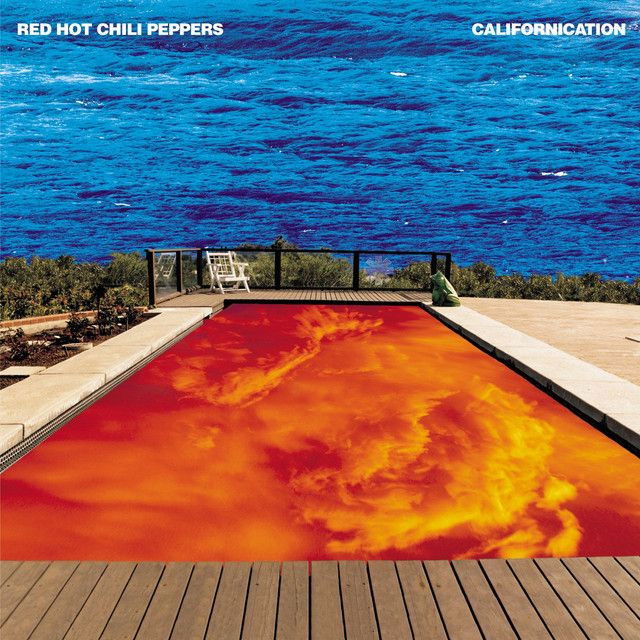
Scar Tissue by Red Hot Chili Peppers
A hit about scars shouldn’t feel like a sunrise, yet this one does. The track finds the Chili Peppers sounding wounded and clear-eyed at the same time, turning private pain into a shared, singable moment.
"Scar Tissue" - Red Hot Chili Peppers
Sarcastic mister know-it-all
Close your eyes and I'll kiss you, 'cause
Loading lyrics...
Unable to load lyrics
We're unable to display the lyrics at this time. Please try again later.
The Wound and the View: What It’s Really Saying
The meaning of Scar Tissue Red Hot Chili Peppers listeners often describe centers on recovery and acceptance. The title points to marks that don’t go away, while the chorus lifts that weight into perspective. Kiedis places a vulnerable wish in the opening, Scar tissue that I wish you saw
, and immediately complicates it with Sarcastic mister know-it-all
. Together, those lines frame a tug-of-war between openness and armor.
Interpretation: the song admits that healing doesn’t erase damage. It reframes scars as proof of survival—evidence you can live with and learn from, not hide.

Watch the official Scar Tissue
music video
Who’s Speaking, and Why the Distance Matters
The narrator uses first person, talking to a shifting “you”—sometimes a lover, sometimes an inner critic, sometimes the listener. The chorus turns that intimacy outward, climbing above the mess to take stock of it.
With the birds I’ll share this lonely viewin’
Interpretation: the hook claims a vantage point that is both free and solitary. Recovery can lift someone out of chaos, but it can also leave them watching life from a step removed.
Verse Snapshots: Addiction’s Cost and a Promise to Keep Going
The verses read like Polaroids of aftermath. A blunt image—Blood loss in a bathroom stall
—sketches the physical toll of using and the secrecy around it. Another line, Soft spoken with a broken jaw
, evokes damage that quiets a person and hints at the band’s own history of health crises and repair.
Amid these flashes, the voice keeps reaching for tenderness and connection. The Kentucky and Southern vignettes show desire pushing through the wreckage, with affection stated in offbeat, visceral ways. The promise underneath—paraphrased as a vow to reach the moon even if crawling—turns determination into a recovery mantra. Interpretation: the song’s heart isn’t guilt; it’s grit.
How the Sound Carries the Story
John Frusciante’s guitar sets the mood: clean, singing, and slightly ghosted by reverb. His melodic slide solos answer the vocal like a second narrator, bending into notes that feel bruised yet bright. Flea’s bass stays low and supportive, and Chad Smith locks into a light, behind-the-beat groove.
Rick Rubin’s production favors air and space over density, which mirrors the lyrics’ quiet acceptance. Kiedis sings in a soft, almost conversational register, swapping shouty catharsis for reflection. Interpretation: the arrangement sounds like healing—less rush, more breath.
Context That Shapes the Meaning
The track arrived with the band’s 1999 album, a creative reset marked by Frusciante’s return after years of addiction. It became a defining comeback single, winning the Grammy for Best Rock Song and spending 16 weeks at No. 1 on Billboard’s Modern Rock chart. Those milestones matter because the song isn’t just about surviving; it’s proof they did.
The music video adds another layer. The battered car, the broken guitar neck, the desert drive—they look like a band traveling on despite damage. It’s a moving visual echo of the lyric’s premise: keep going, even if the vehicle bears the dents.
Symbols and Motifs You Might Have Missed
- Birds: elevation, recovery, outsider perspective.
- Scars: memory that never fully fades—both protective and limiting.
- Bathrooms, blood, and hush: secrecy, shame, and the costs of hiding.
- Autumn/fall: time passing and the season of shedding.
Short phrases like Scar tissue that I wish you saw
and the recurring chorus underline a craving to be seen without the mask. Even the jab at the Sarcastic mister know-it-all
suggests a decision to cut sarcasm and speak plainly.
Other Readings—and Why the Song Allows Them
Interpretation: some hear a relationship song first, with lusty snapshots and messy tenderness. Others hear a meditation on fame’s isolation—an aerial view that success brings but can’t soothe. The ambiguity is part of the power; the images are crisp but open-ended, so listeners can map their own scars onto the frame.
Why the Hook Lands Every Time
The chorus turns loneliness into perspective instead of punishment. It promises that a higher view is possible, even if it’s quiet up there.
Takeaway
Scar Tissue is a soft-spoken victory lap. It doesn’t brag; it breathes. By pairing hard memories with patient, melodic rock, the Chili Peppers make survival sound not just possible, but beautiful.
Disclaimer: Song meanings are interpretive; details here combine reported context with critical reading of the lyrics and production.








