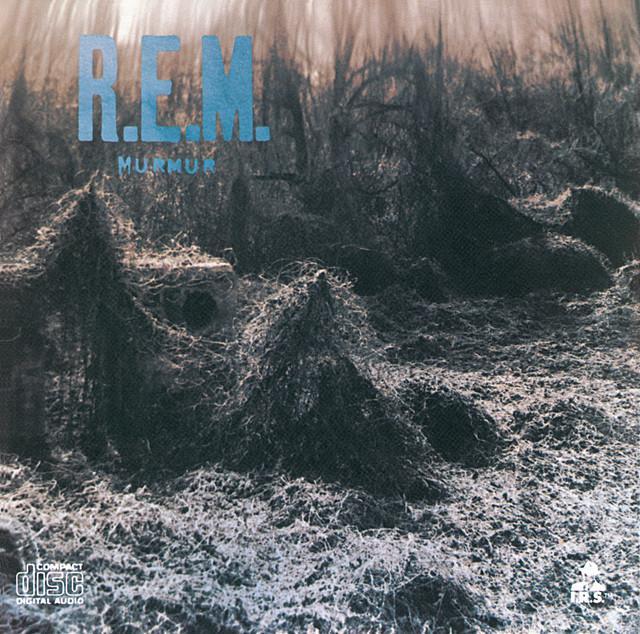
9-9 by R.E.M.
Why This Early R.E.M. Song Feels So Unsettled
The meaning of 9-9 R.E.M. starts with tension. This is not a tidy story song. Instead, it sounds like a rush of thoughts, slogans, warnings, and half-finished ideas colliding at speed. That loose, restless feeling is the point.
"9-9" - R.E.M.
Now what does that mean?
Is there a just contradiction?
Loading lyrics...
Unable to load lyrics
We're unable to display the lyrics at this time. Please try again later.
Released on R.E.M.'s second album Reckoning in 1984, “9-9” sits in the band’s early style: jangly guitars, tight drumming, and Michael Stipe’s famously slippery phrasing. The song was written by Bill Berry, Peter Buck, Mike Mills, and Stipe, as R.E.M. often credited songs collectively in that era. Factually, it is one of the group’s more cryptic tracks. Interpretation: emotionally, it feels like a portrait of a mind trapped in repetition, pressure, and social mistrust.

Watch the official 9-9
music video
The Core Meaning: Repetition, Anxiety, and Mental Static
The strongest clue comes early with steady repetition
. The song describes repetition not as comfort, but as compulsion. That suggests a cycle they cannot easily escape. When the lyric asks what that means and whether there is a contradiction, it sounds like someone trying to explain their own state while also doubting it.
That is why the song often lands as a study in anxiety. The words move from abstract thought to sudden physical images and then into broken conversation. The repeated phrase conversation fear
is especially important. It turns ordinary speech into a threat. Instead of communication bringing clarity, it creates stress, lies, and confusion.
Interpretation: “9-9” may be less about one event than about overload itself. The song captures what it feels like when thoughts loop, speech fails, and every social exchange seems slightly hostile.
A Voice Caught Between Prayer and Panic
One of the most striking moments twists a childhood bedtime prayer. R.E.M. take familiar religious language and interrupt its comfort with hesitation.
Now I lay me down to sleep
I pray the Lord, hesitate
Paraphrased, the song takes a prayer that should sound safe and makes it uncertain. That change matters. Instead of surrender and peace, there is a pause, almost as if trust itself has broken down.
This is a classic early R.E.M. move. Stipe often sang in a way that made words feel half-buried, and that mystery was part of the band’s appeal. In “9-9,” the altered prayer deepens the song’s feeling of spiritual and emotional instability. Interpretation: they are not rejecting faith so much as showing what happens when fear interrupts even the most familiar rituals.
Images of Conflict and Mixed Signals
Other lines push the song into bodily, almost violent imagery. The command right on target
suggests aim, impact, and pressure to hit something exactly. Then phrases about twisting tongues
and stripes down someone’s back create a sense of damage, gossip, or attack.
The details are hard to pin down literally, but they connect well at the thematic level. Twisted tongues imply language used badly: manipulation, crossed signals, or talk that wounds. The “stripe” imagery hints at marks left behind, whether emotional or physical. The title itself, “9-9,” may point to repetition and doubling, reinforcing the track’s circular, locked-in feeling.
Interpretation: the song can be heard as the sound of social pressure becoming almost physical. Words do not stay verbal here. They hit, mark, and linger.
How the Sound Carries the Meaning
The music does a lot of meaning-making. Peter Buck’s guitar has the bright jangle R.E.M. were known for, but in “9-9” it feels more urgent than dreamy. Bill Berry’s drumming keeps the track moving forward with a nervous, clipped momentum, while Mike Mills helps fill the arrangement with melodic structure.
That matters because the song’s lyrics are fragmented. The band’s playing gives shape to the confusion without fully calming it. The result is a balance R.E.M. were great at in their early years: catchy surfaces hiding unstable feelings.
According to the album’s credits and background on R.E.M., Reckoning continued the band’s rise as key figures in American college rock. “9-9” fits that identity well. It has punk energy, Southern mystery, and pop hooks, but it refuses to explain itself in a simple way.
Two Strong Readings of “9-9”
Reading One: A Song About Mental Loops
This is the most convincing interpretation for many listeners. The repeated references to compulsion, inner questioning, and fear of conversation suggest a mind stuck in a loop. The song sounds like racing thoughts set to music.
Reading Two: A Song About Social Breakdown
Another valid reading is that “9-9” is about group tension rather than private anxiety. Lies, hostile talk, and pressure to act all point toward a world where communication has turned toxic. In that version, the song captures mistrust inside a relationship, a scene, or even a wider culture.
Both readings work because R.E.M. built the song out of fragments. The lyrics do not close meaning down. They keep it open.
Why “9-9” Still Connects
Part of the lasting appeal of the meaning of 9-9 R.E.M. is that it never fully settles. They turn uncertainty into atmosphere. Listeners do not need a neat plot to recognize the feeling: intrusive repetition, strained speech, and the sense that calm is always just out of reach.
That is also why the song rewards repeat listens. Every image feels like part of a larger pattern, even when the pattern stays blurry. “9-9” shows early R.E.M. at a key strength: making cryptic language feel emotionally exact.
Final Take on the Meaning Behind the Song
At its core, “9-9” sounds like a song about being trapped in cycles of thought and communication that no longer feel safe. Its prayer fragment, verbal distortions, and tense musical drive all support that mood.
Still, this remains an interpretation, not a fixed fact. Like many early R.E.M. songs, “9-9” is designed to stay partly unresolved, and that ambiguity is a big part of its power.








