Why R.E.M.'s End-Time Anthem Still Feels Fine
The meaning of It's The End Of The World As We Know It (And I Feel Fine) R.E.M. starts with a simple tension: everything sounds like collapse, yet the chorus shrugs and keeps moving. That is why the song has lasted for decades. It captures what panic feels like, but it also captures how people joke, adapt, and survive when the world seems too loud.
"It's The End Of The World As We Know It (And I Feel Fine)" - R.E.M.
Birds and snakes, and aeroplanes
And Lenny Bruce is not afraid
Loading lyrics...
Unable to load lyrics
We're unable to display the lyrics at this time. Please try again later.
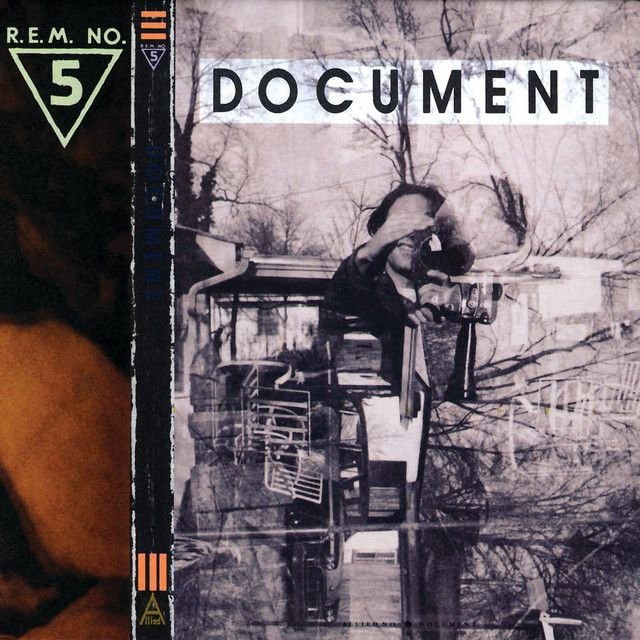
Released on Document in 1987, the track became one of R.E.M.'s signature songs, even if it was not their biggest early chart hit. It was written by Bill Berry, Peter Buck, Mike Mills, and Michael Stipe, and produced by Scott Litt with the band. Those basic facts are widely documented in major reference sources and music databases.
A Storm of Images, Not a Story
At first listen, the verses can sound random. They jump from disasters to politics to pop culture with almost no warning. But that is the point.
Interpretation: the song is built like information overload. Instead of telling one clear narrative, it throws listeners into a mind racing through headlines, fears, memories, and TV noise. That makes the song feel less like a movie plot and more like life in a media-saturated age.
Michael Stipe explained the method in a brief quote often cited from Q magazine: The words come from everywhere
. He said the lyrics grew out of dreams, daily observation, and flipping through television channels. In other words, the song is a collage, not a confession.
That is why phrases like starts with an earthquake
and Eye of a hurricane
matter. They do not only describe disaster. They place the listener inside constant motion, where every new image feels urgent.

Watch the official It's The End Of The World As We Know It (And I Feel Fine)
music video
The Chorus Is the Real Twist
The famous hook changes the meaning of the whole song. After verses full of pressure and confusion, the chorus lands on I feel fine
.
That does not sound like joy. It sounds more complicated than that.
Interpretation: the line suggests irony, but it also suggests survival. The speaker is not saying the world is perfect. They are saying the old sense of order is breaking down, and somehow they are still standing. The key phrase is really the middle of the title: as we know it
. This is not necessarily total destruction. It is the end of a familiar way of seeing the world.
That distinction helps explain why the song keeps returning in moments of public anxiety. It spiked in attention around doomsday predictions and again during the early pandemic, because its title fits crisis while its attitude offers release.
Where the Strange References Come From
One reason the song feels so memorable is its pileup of names and images. The most famous cluster includes Leonard Bernstein, Leonid Brezhnev, Lenny Bruce, and Lester Bangs.
Stipe said that sequence came from a dream where he was at a party and everyone else had the initials L.B. That dream logic matters. It shows that the song's references are not there to build a puzzle with one correct answer. They create texture. They sound like a brain making strange but vivid connections.
The same goes for lines about reporters, governments, fire, towers, and lies. These fragments sketch a world filled with politics, media spectacle, and social fear. The song is not asking listeners to decode every noun. It is asking them to feel the pressure of all those nouns arriving at once.
How the Music Sells the Message
The production is a huge part of the song's meaning. R.E.M. do not score this apocalypse with slow, gloomy music. They make it fast, bright, and catchy.
Peter Buck's guitar keeps things moving with a nervous jangle. Bill Berry's drumming pushes hard without sounding heavy. Mike Mills anchors the rush with melodic bass and backing vocals. Over that, Stipe delivers the verses in a near breathless tumble, a style often compared to Bob Dylan's "Subterranean Homesick Blues."
That contrast is essential. The music feels energized, even fun, while the lyrics describe overload. The result is a song that turns dread into momentum. It does not deny anxiety; it outruns it.
A Satire of News, Fear, and Self-Preservation
Several lines hint at public selfishness and media confusion. Short phrases like serve yourself
and tournament of lies
point toward a culture where fear becomes performance and survival becomes personal branding.
Interpretation: the song can be heard as satire. It pokes at the way institutions fail, reporters scramble, and ordinary people are told to save themselves. In that reading, the "end of the world" is also the collapse of trust.
Yet the song never becomes preachy. Its humor keeps it alive. Stipe once suggested the words were written in a way that could even make people smile when spoken. That playful energy matters. It stops the song from turning into a sermon.
Why It Still Connects
The song has shown up again and again in American culture because it fits modern life too well. Every era thinks it is living through too much information, too much crisis, too much noise. R.E.M. turned that feeling into a pop song people can shout along to.
That is the deeper meaning of It's The End Of The World As We Know It (And I Feel Fine) R.E.M.: not doom for doom's sake, but the weird human ability to dance in the middle of confusion. They capture collapse as sensation, then answer it with wit, rhythm, and endurance.
The Last Word on Feeling Fine
In the end, the song is powerful because it holds two truths at once. The world can feel unstable, absurd, and frightening. People can still laugh, sing, and keep going anyway.
That balance is what makes the track more than a novelty apocalypse anthem. It is a smart, funny, anxious portrait of modern life.
Disclaimer: This interpretation blends documented artist comments with critical reading of the lyrics, performance, and cultural context. As with most R.E.M. songs, some ambiguity is intentional.









