What “Talk About the Passion” Really Means
R.E.M. built early songs out of mystery, mood, and half-hidden messages. That is part of why the meaning of Talk About The Passion R.E.M. still draws listeners in. Even with Michael Stipe’s famously blurred delivery on Murmur, this song points toward something concrete: hunger, neglect, and the gap between public concern and real action.
"Talk About The Passion" - R.E.M.
Empty prayer, empty mouths talk about the passion
Not everyone can carry the weight of the world
Loading lyrics...
Unable to load lyrics
We're unable to display the lyrics at this time. Please try again later.
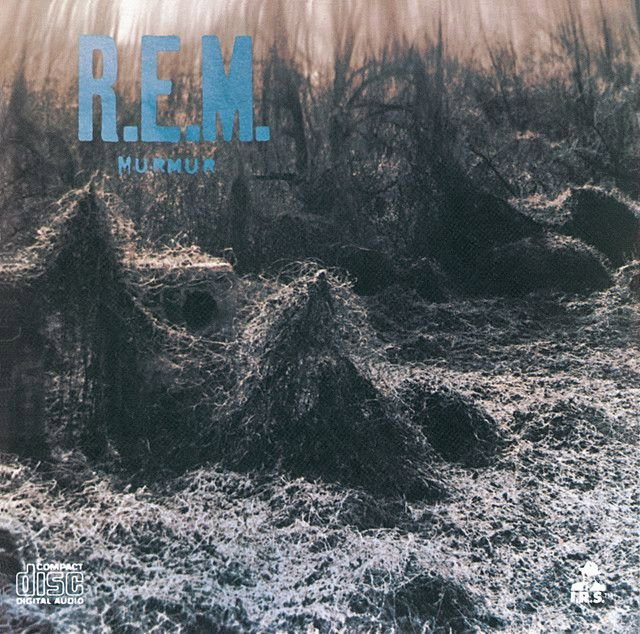
Factually, the song appeared on R.E.M.’s 1983 debut album Murmur and was released as its second single later that year. It was recorded at Reflection Studio in Charlotte, produced by Don Dixon and Mitch Easter, and credited to Bill Berry, Peter Buck, Mike Mills, and Michael Stipe, according to the available release information. It is also commonly described as folk rock and jangle pop.
The Heart of the Message
At its core, the song criticizes empty compassion. It opens with images of need, using phrases like empty prayer
and empty mouths
. Those words suggest two kinds of lack at once: spiritual emptiness and physical hunger.
Stipe later said the song was about hunger, and that the lyrics did not make that meaning clear enough on their own. That comment matters because it anchors the song in a real social issue rather than pure abstraction. Even so, the writing remains broad enough to cover more than hunger alone.
Interpretation: The song seems to ask what good moral language is if nobody shares the burden. When the lyric repeats talk about the passion
, it sounds less like praise and more like a challenge. They are not celebrating passion; they are questioning people who speak passionately but do little.

Watch the official Talk About The Passion
music video
A Protest Song Hidden in a Dreamy Sound
One reason the song has lasted is the tension between its sound and its subject. Musically, it floats. The guitars shimmer, the beat stays light on its feet, and the whole track feels airy rather than heavy.
That choice is powerful. Instead of making a grim, blunt protest song, R.E.M. wrapped social criticism in beauty. The contrast makes the song more haunting. Listeners may first drift into the melody and only later realize they are hearing a meditation on hunger and moral failure.
Why the arrangement matters
The recording has a gentle but unsettled texture. Reports about the session note an uncredited female cellist on the track, and Mike Mills later wrote that the distinctive solo section involved multiple acoustic guitars played by Mills, Peter Buck, and producers Mitch Easter and Don Dixon. Peter Buck also recalled that the band more or less captured it as a rehearsal take.
That loose feel fits the message. The performance sounds spontaneous, almost fragile, which helps the song feel human rather than preachy.
The Key Lines and What They Suggest
The most direct statement is weight of the world
. In plain language, the song says that not everyone can carry so much suffering. That line introduces sympathy. It recognizes limits.
But it also raises a moral question: if no single person can carry everything, then who is responsible? The song does not offer policy or a neat answer. Instead, it sits in that discomfort.
The French phrase combien de temps
adds another shade. Stipe later explained that he had taken French in college and was drawn to the phrase, roughly meaning “how much time?” or “how long?” Even if it began as something that sounded beautiful to him, it works emotionally here. In context, it becomes a cry of impatience. How long will this go on?
Not everyone can carry
the weight of the world
Those two short lines are the song’s clearest moral center. They admit human weakness while refusing to excuse indifference.
How Context Changed the Song
A major piece of context came later. In 1988, a video for the song made its political meaning much more explicit by showing homeless people and ending with a statement about the cost of a destroyer-class warship. That visual framing pushed listeners toward a reading about misplaced national priorities: military spending on one side, hunger and homelessness on the other.
This matters because it confirms that the social reading is not just fan theory. The band’s own presentation moved the song in that direction. Even if the original 1983 recording feels impressionistic, the later video sharpens its protest edge.
Two Strong Readings of the Song
Reading one: a song about hunger
This is the most direct reading, and it is supported by Stipe’s own explanation. The references to emptiness and mouths point toward physical deprivation. In this view, the song condemns societies that discuss compassion while allowing people to go hungry.
Reading two: a broader critique of performative concern
Interpretation: The song also works as a critique of people who love noble language but avoid sacrifice. Here, talk about the passion
becomes a line about performance. People can sound caring, spiritual, even righteous, while remaining untouched by the pain they describe.
Both readings fit together. Hunger is the immediate subject; hypocrisy is the larger target.
Why the Song Still Connects
The meaning of Talk About The Passion R.E.M. remains strong because its question never gets old. How much of public compassion is real, and how much is just talk? R.E.M. never answers that in simple terms. They leave listeners with beauty, unease, and a repeated demand to think harder about responsibility.
That mix is what makes the song memorable. It is gentle on the surface, but morally restless underneath.
Disclaimer: This interpretation combines documented artist comments with critical reading of the lyrics, sound, and release history. Meaning in music can remain open, and different listeners may hear the song differently.








